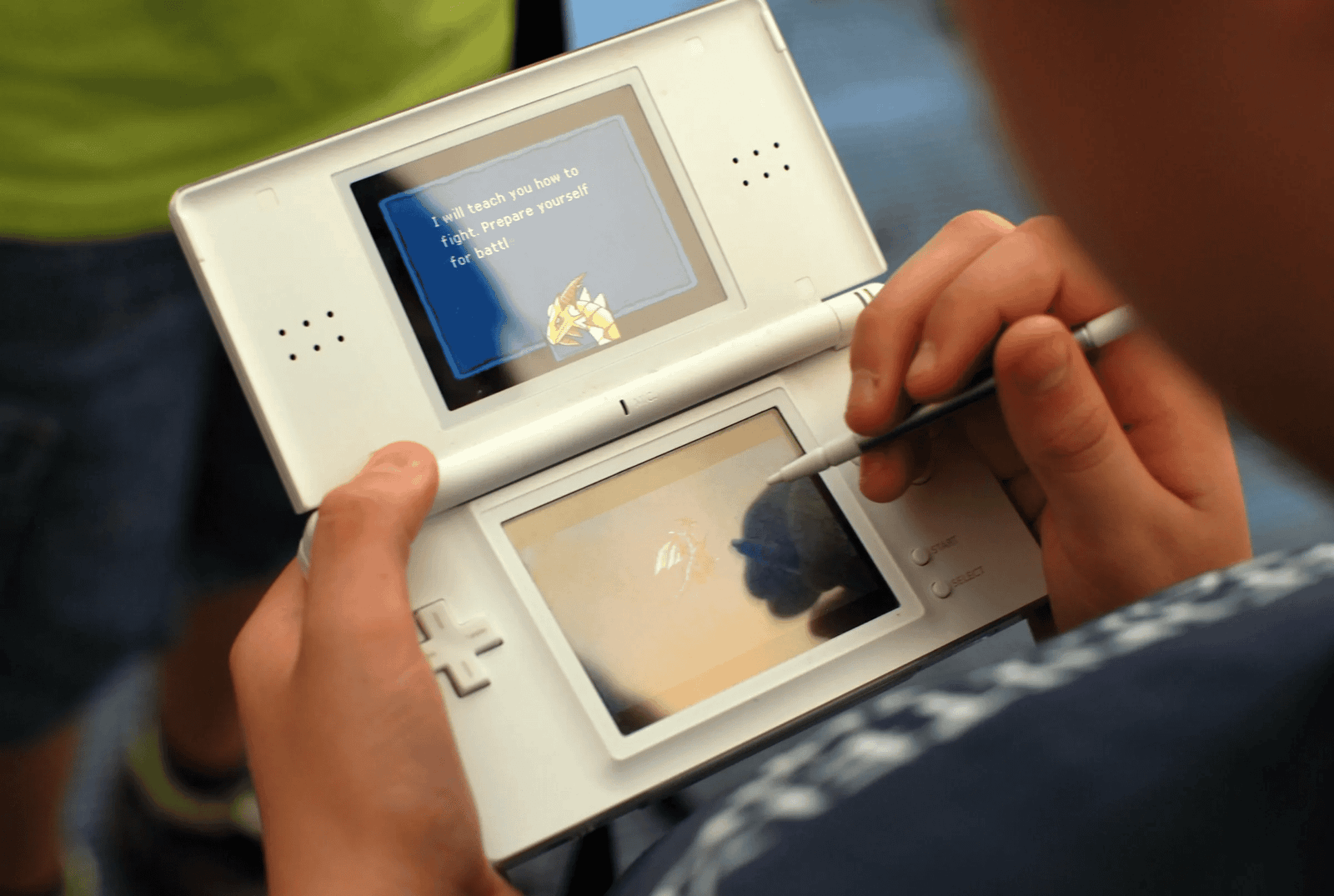
The Nintendo DS and Nintendo 3DS built a distinctive handheld legacy with inventive hardware and memorable game libraries. Featuring dual screens, touch controls and, in the 3DS’s case, glasses-free 3D, both systems hosted titles that pushed portable gameplay in new directions.
Why these games matter
From epic adventures and strategic RPGs to puzzle-driven narratives and competitive racers, the following ten titles represent standout experiences on the DS and 3DS. They were selected for their design, influence on their genres and lasting appeal to both returning players and newcomers.
The list: essential DS and 3DS titles
The Legend of Zelda: A Link Between Worlds (3DS)
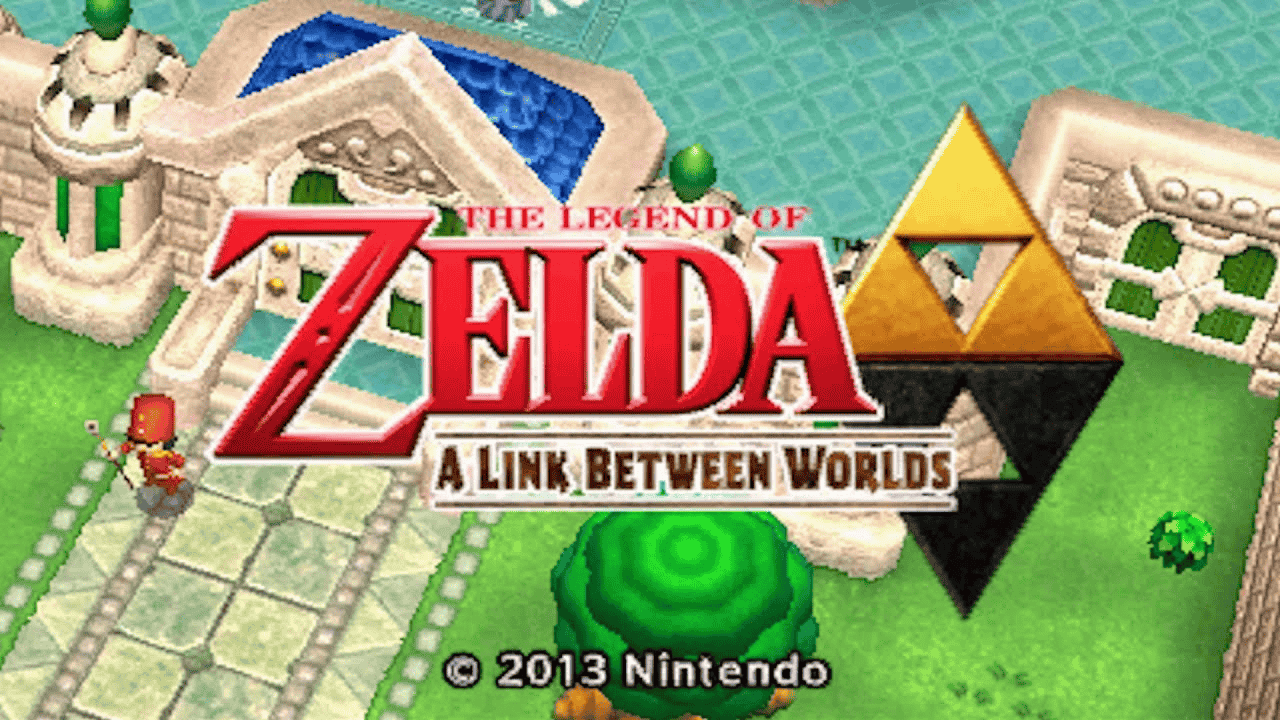
Drawing inspiration from A Link to the Past, A Link Between Worlds revisits Hyrule while introducing new mechanics such as the ability to merge into walls to solve puzzles. Its soundtrack and story are noted as engaging, and the game is widely regarded as one of the 3DS’s best releases, offering a fresh take for series fans and first-time players.
Pokémon HeartGold & SoulSilver (DS)
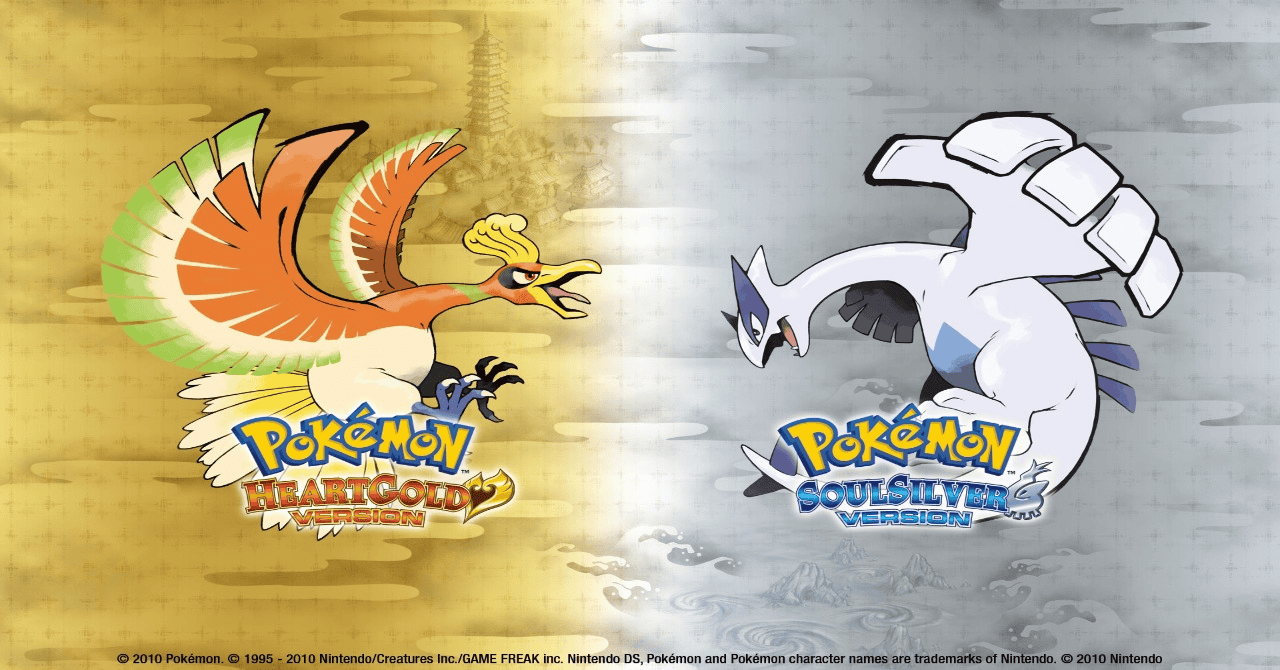
These remakes of Pokémon Gold and Silver enhance the originals with improved graphics and added features, including the inclusion of the Kanto region to extend gameplay. The releases also introduced the Pokéwalker accessory, which enabled real-world interaction with a Pokémon and added a distinctive play element to the DS experience.
Mario Kart 7 (3DS)
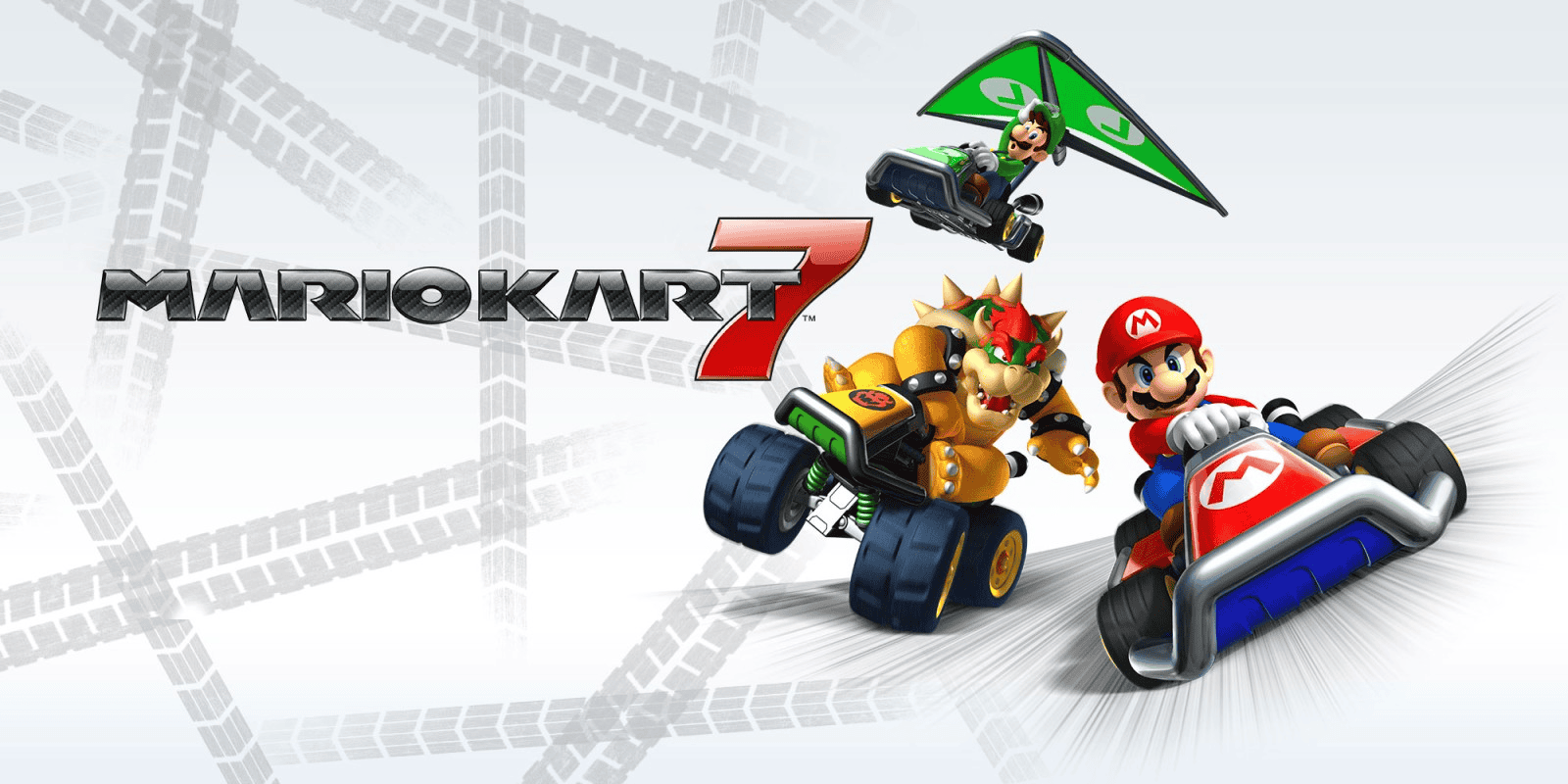
Mario Kart 7 continues the franchise’s legacy with new tracks, power-ups and customizable karts. The addition of kart customization and online multiplayer expanded strategic options and replayability, helping secure its status among the console’s top titles.
Animal Crossing: New Leaf (3DS)
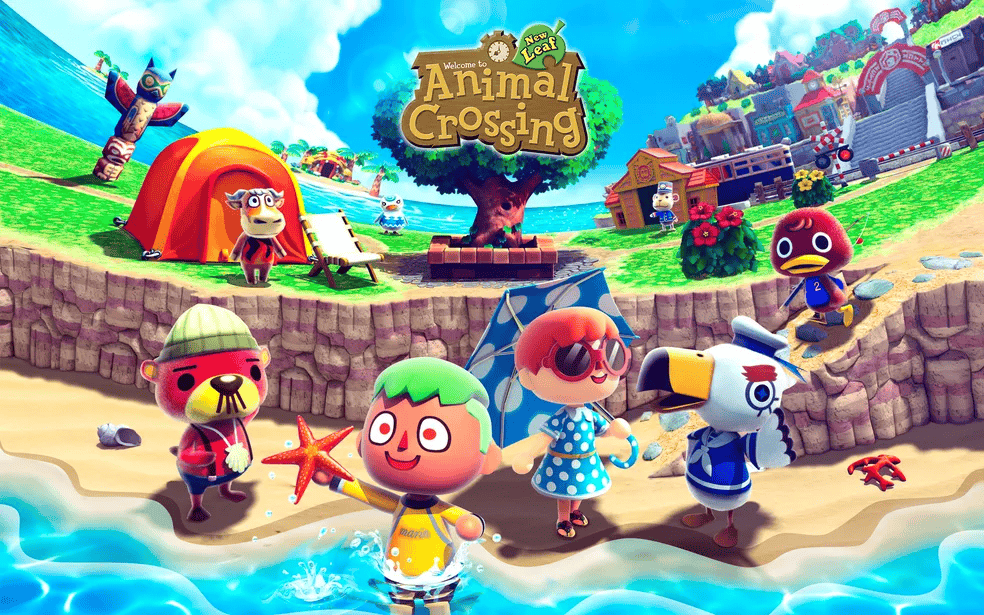
New Leaf shifted the Animal Crossing formula by letting the player serve as the town’s mayor, increasing customization and player agency. Its relaxed pace, seasonal events and village interactions create a peaceful, open-ended experience ideal for extended, personal play sessions.
Fire Emblem Awakening (3DS)
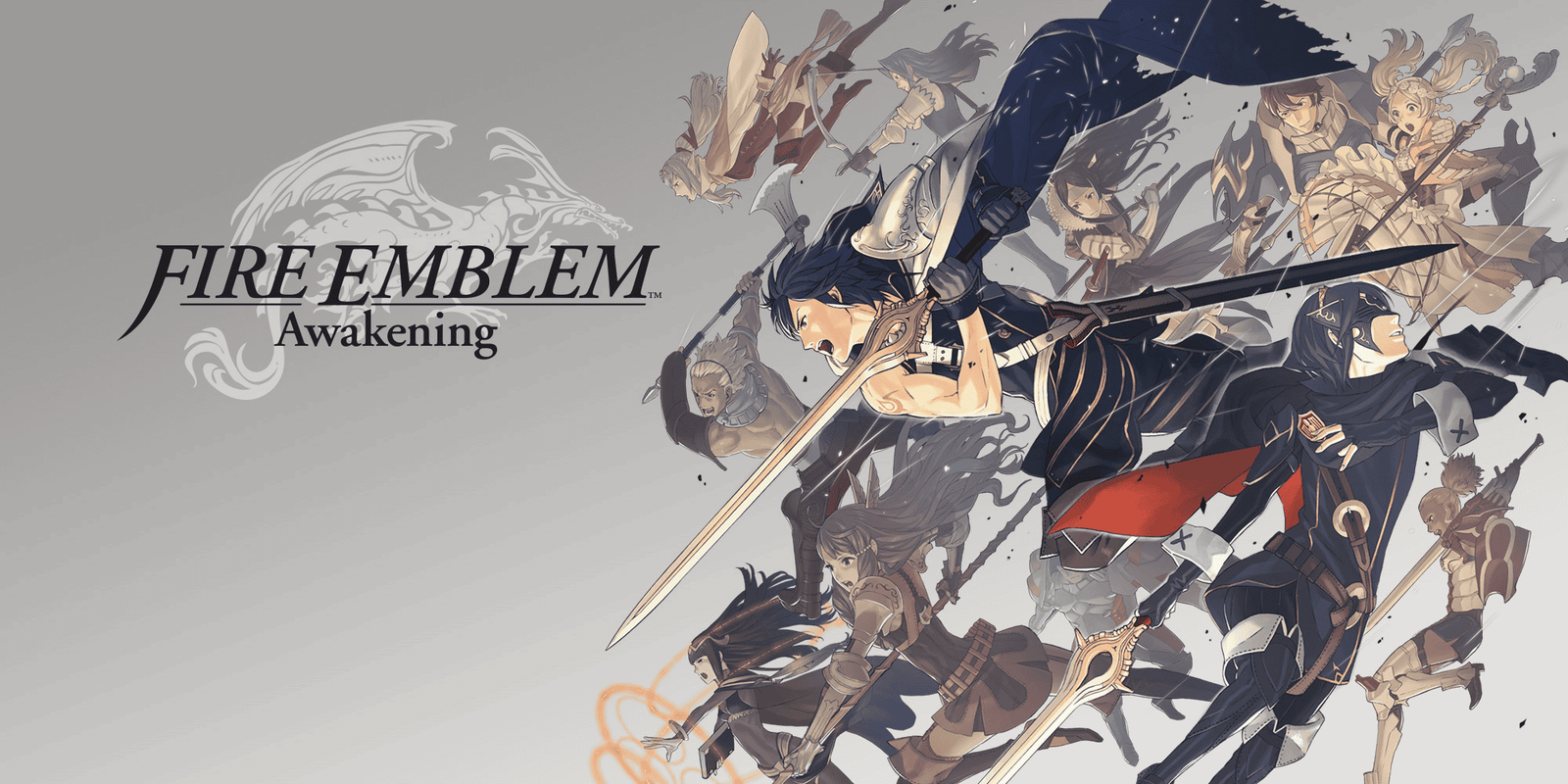
Awakening played a key role in popularizing Fire Emblem outside Japan. Featuring an engaging narrative, charismatic characters and deep tactical combat, the game also allowed relationship development between characters, including the potential to form couples—adding emotional stakes to its strategic battles.
Phoenix Wright: Ace Attorney (DS)

Phoenix Wright brought courtroom drama to the DS with an inventive blend of investigation and trial gameplay. Players examine evidence, cross-examine witnesses and search for contradictions in testimony, combining mystery and humor with memorable characters to create a standout narrative puzzle experience.
Super Mario 3D Land (3DS)

Super Mario 3D Land blends classic side-scrolling platforming with 3D stage design, using the 3DS’s stereoscopic effect to craft visually striking and challenging levels. The return of the Tanooki power-up and the mix of 2D and 3D elements delivered a distinctive Mario experience on the handheld.
Metroid Prime: Hunters (DS)
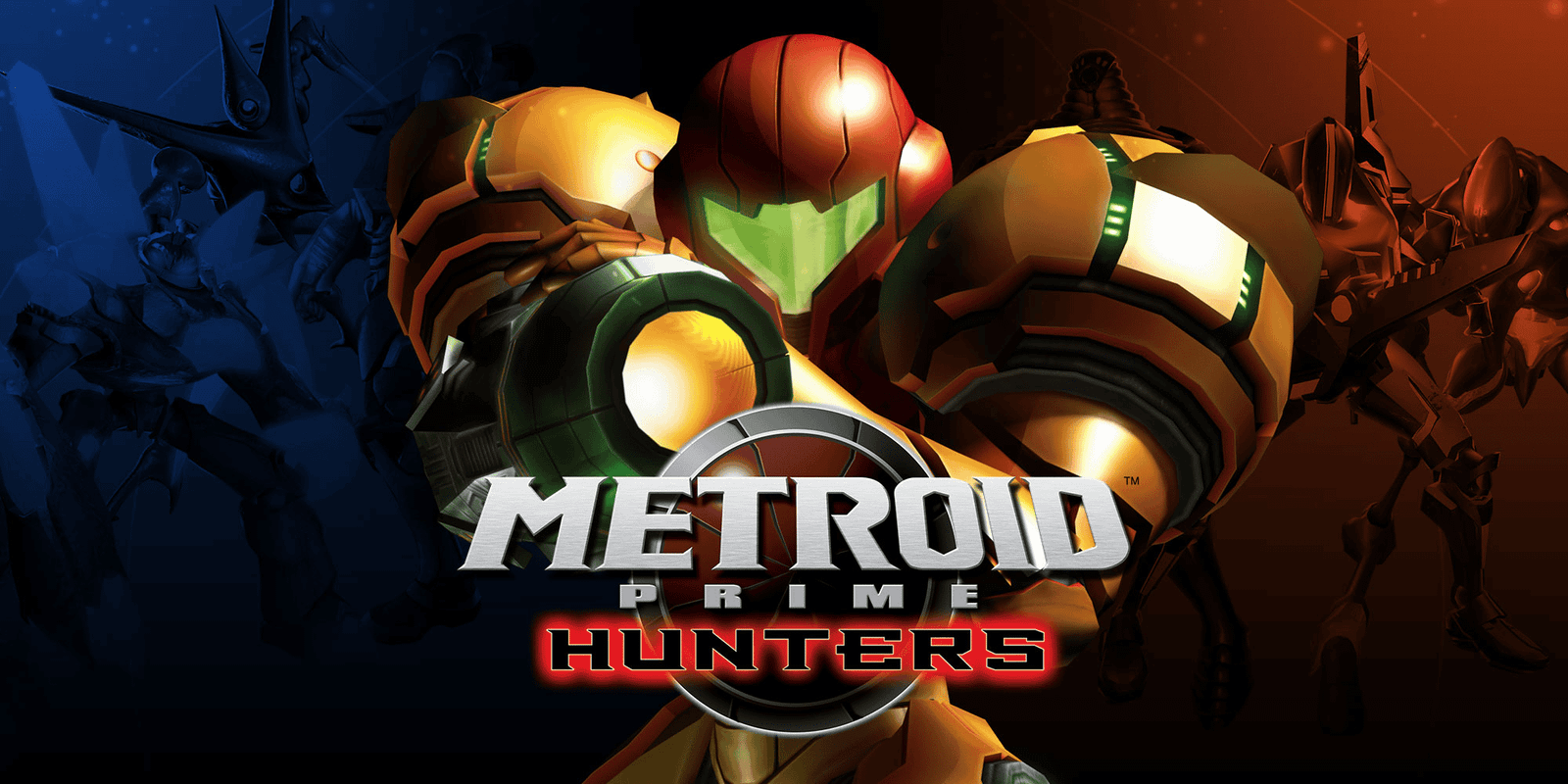
Metroid Prime: Hunters adapted first-person shooting to the DS, offering a focused single-player adventure and notable multiplayer. For its time, the game presented impressive visuals on the handheld and controls tuned for the DS’s layout, making it a memorable entry in the Metroid series on portable hardware.
Professor Layton and the Curious Village (DS)
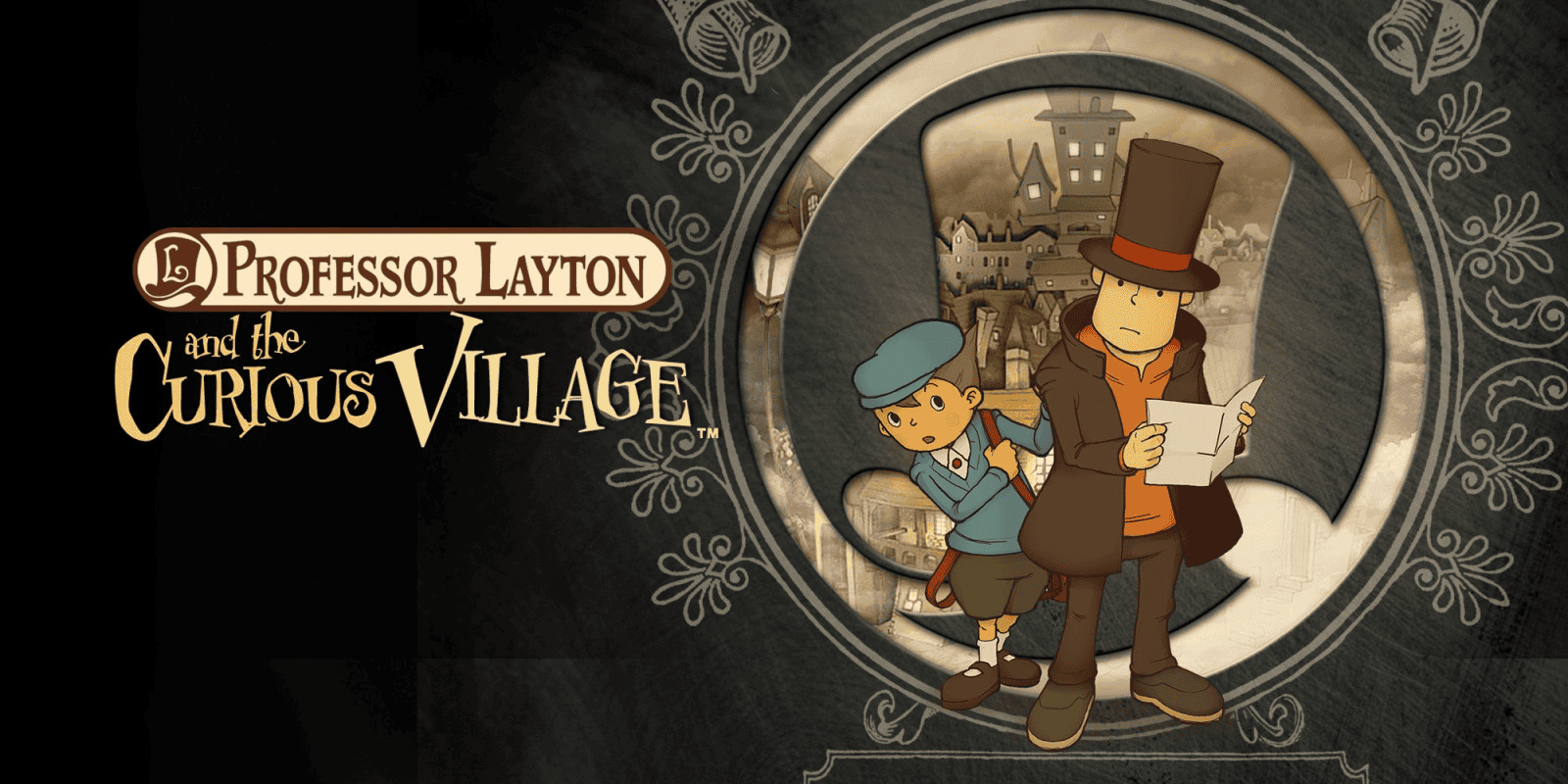
The first Professor Layton title introduced players to a blend of narrative mystery and brain-teasing puzzles. Its distinctive art style, well-crafted story and variety of intelligent enigmas established the series’ formula and appealed to players looking for intellectually engaging gameplay.
Bravely Default (3DS)
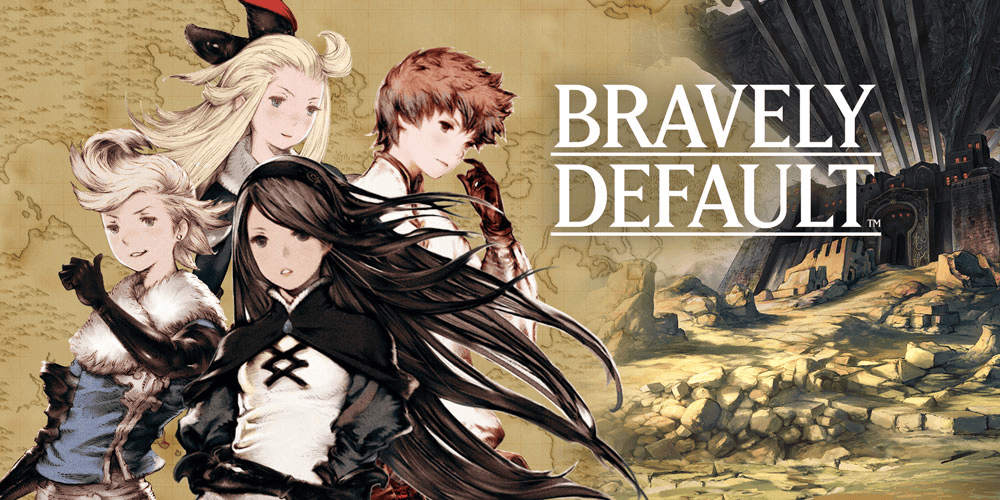
Bravely Default revived classic turn-based JRPG elements while adding the Brave/Default battle system, which layered strategic choices into combat. Coupled with striking visuals, a memorable soundtrack and a complex story, the game stands out as a modern homage to traditional Square Enix RPG design on the 3DS.