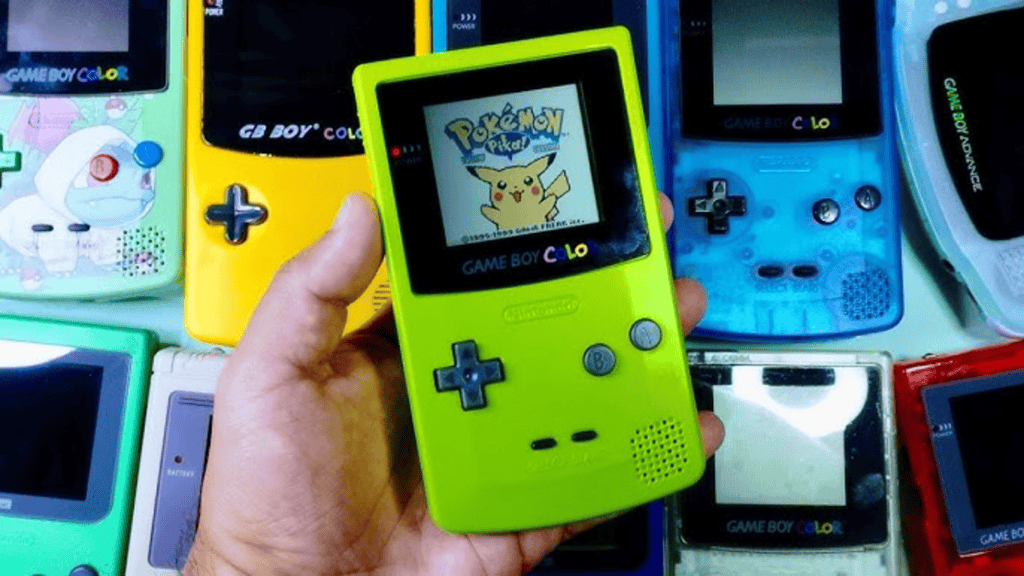
The Game Boy (released in 1989) and the later Game Boy Color left a lasting imprint on portable gaming through a diverse library of titles. Below are 10 games that stood out for their influence, design and popularity on those platforms.
Pokémon Red & Blue
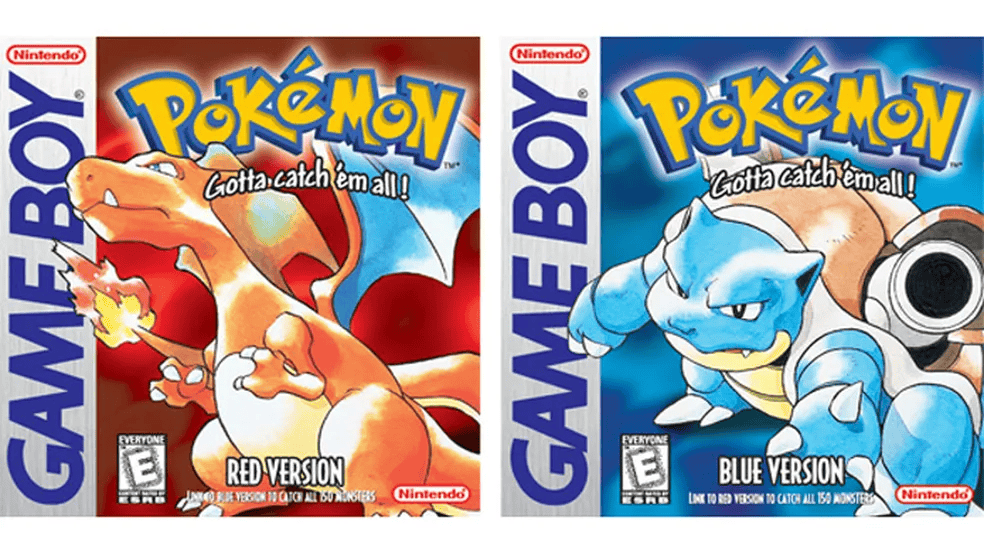
Pokémon Red & Blue introduced players to the role of a Pokémon trainer tasked with capturing, training and battling creatures to become a Pokémon Master. These releases shaped handheld RPGs and sparked a global franchise with numerous sequels, spin-offs and adaptations.
The Legend of Zelda: Link’s Awakening (DX)
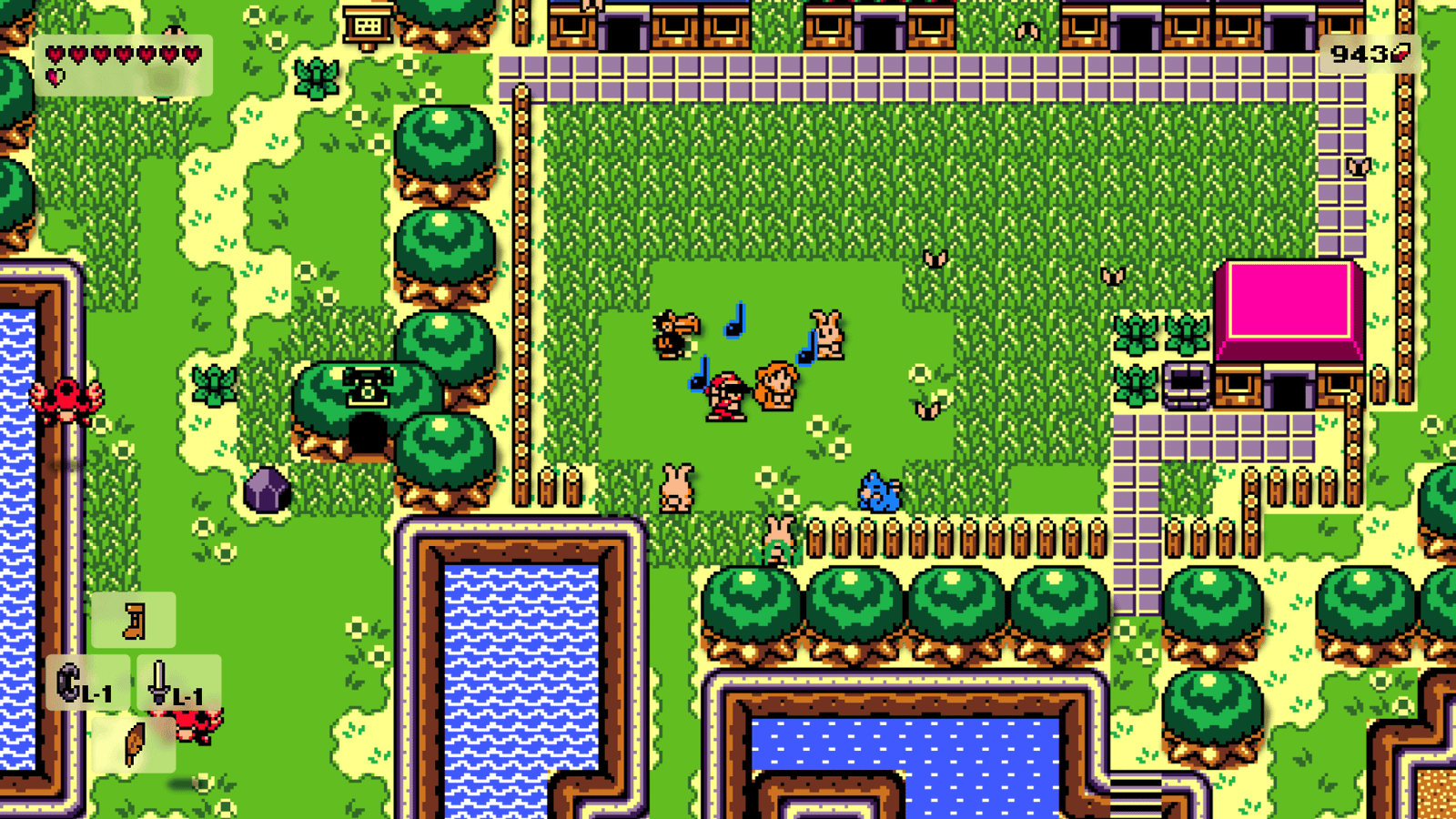
Originally released in 1993 for the Game Boy, Link’s Awakening adapted Zelda’s adventure and puzzle-driven gameplay to a handheld format. The Game Boy Color release, Link’s Awakening DX, added an exclusive color dungeon and improved visuals while preserving the title’s rich story and intricate puzzles.
Super Mario Land 2: 6 Golden Coins
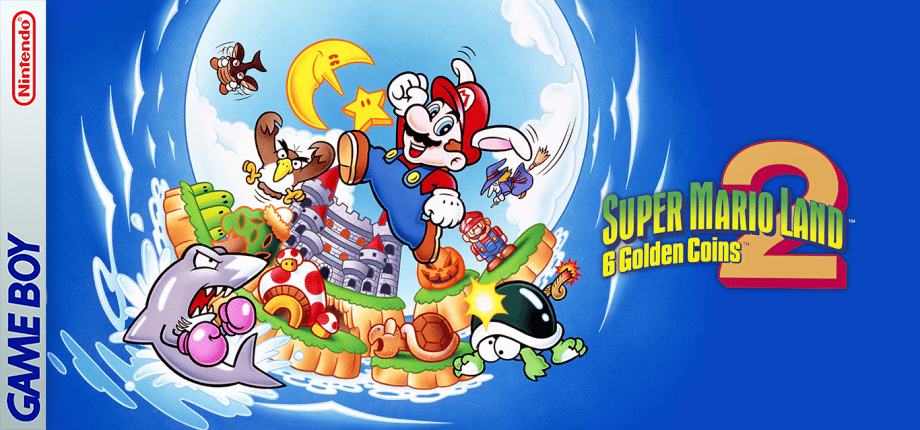
Super Mario Land 2 expanded Mario’s portable outings with varied levels and a mechanic where collecting six golden coins unlocks new areas. This installment also introduced Wario, who later became a recurring character and star of his own series.
Tetris
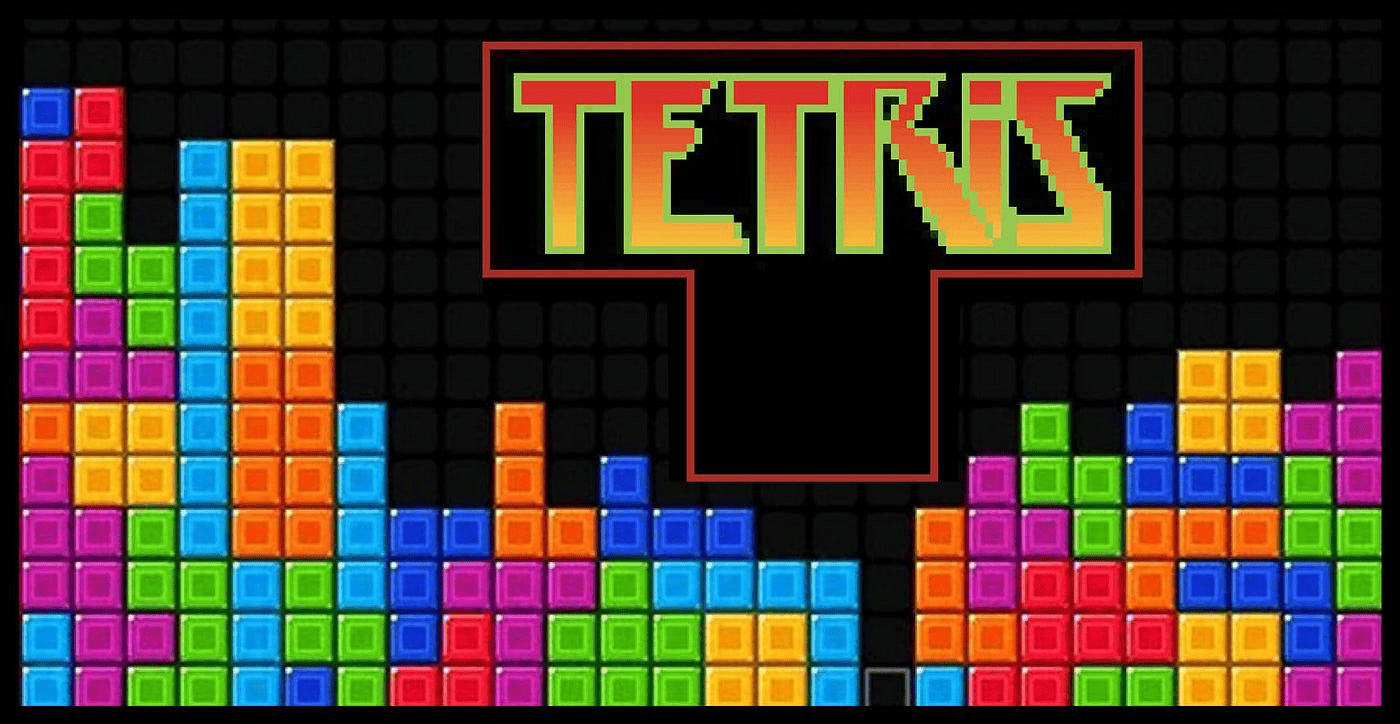
Tetris’s simple yet addictive puzzle gameplay played a crucial role in the Game Boy’s early success. Bundled with the system in many regions, the falling-block mechanics appealed to a wide audience and helped make the handheld a global phenomenon.
Metroid II: Return of Samus
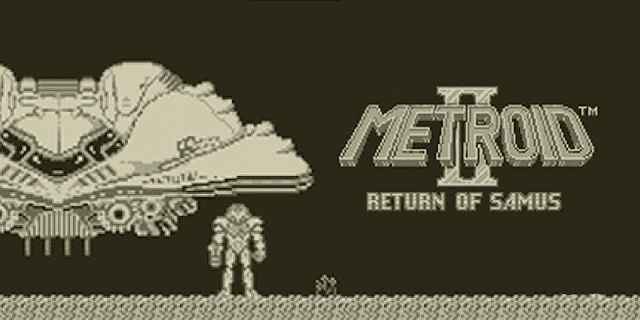
Metroid II brought Samus Aran’s exploration-based action to the Game Boy, placing players on an alien planet to eradicate Metroids. Despite hardware limits, the title delivered atmospheric environments and the sense of isolation and discovery associated with the series.
Donkey Kong
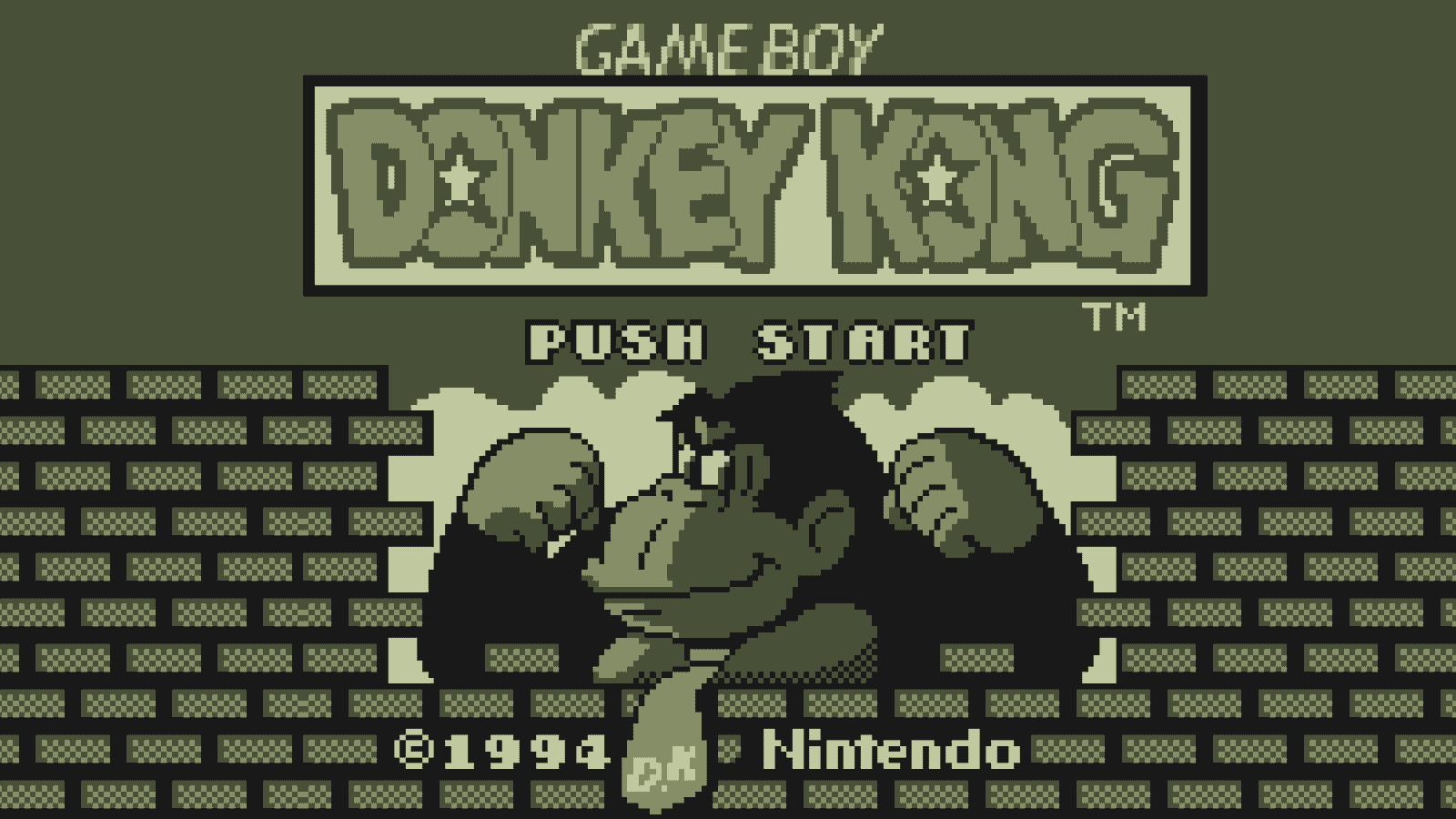
Released for the Game Boy in 1994, Donkey Kong adapted the arcade classic into a portable format with over 100 levels featuring diverse challenges and puzzles. The expanded content and refined controls made it one of the standout titles for the system.
Pokémon Gold & Silver
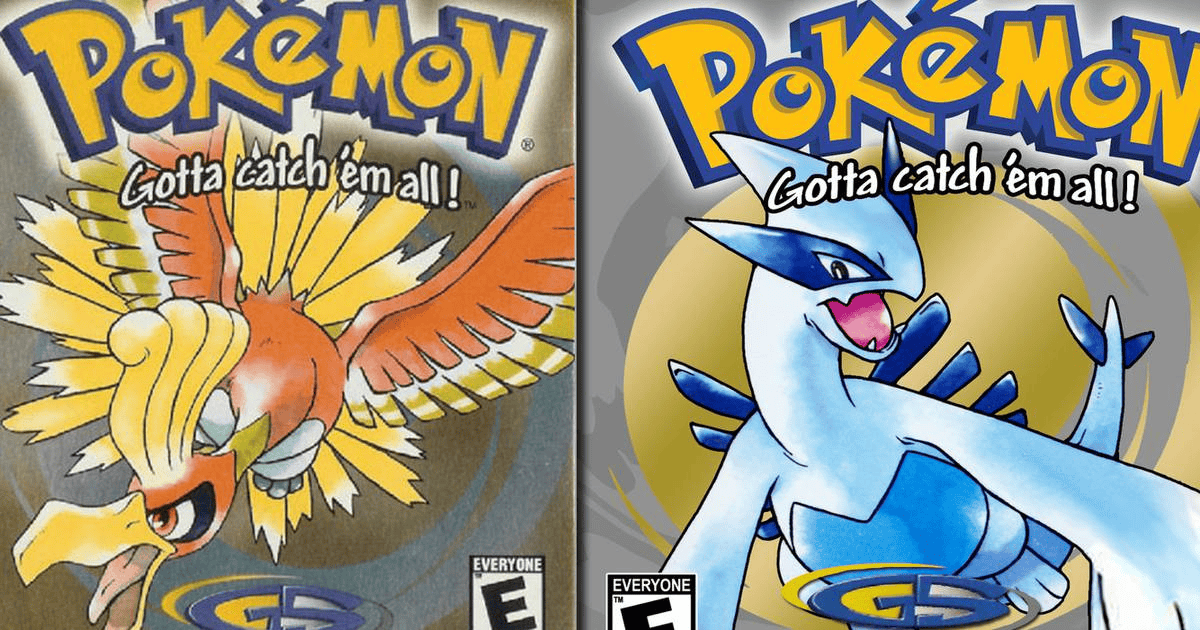
Pokémon Gold & Silver arrived on the Game Boy Color with an expanded roster, new gameplay systems—such as a day/night cycle and Pokémon breeding—and a larger world to explore. These entries deepened the franchise’s mechanics and solidified its popularity on handhelds.
Kirby’s Dream Land
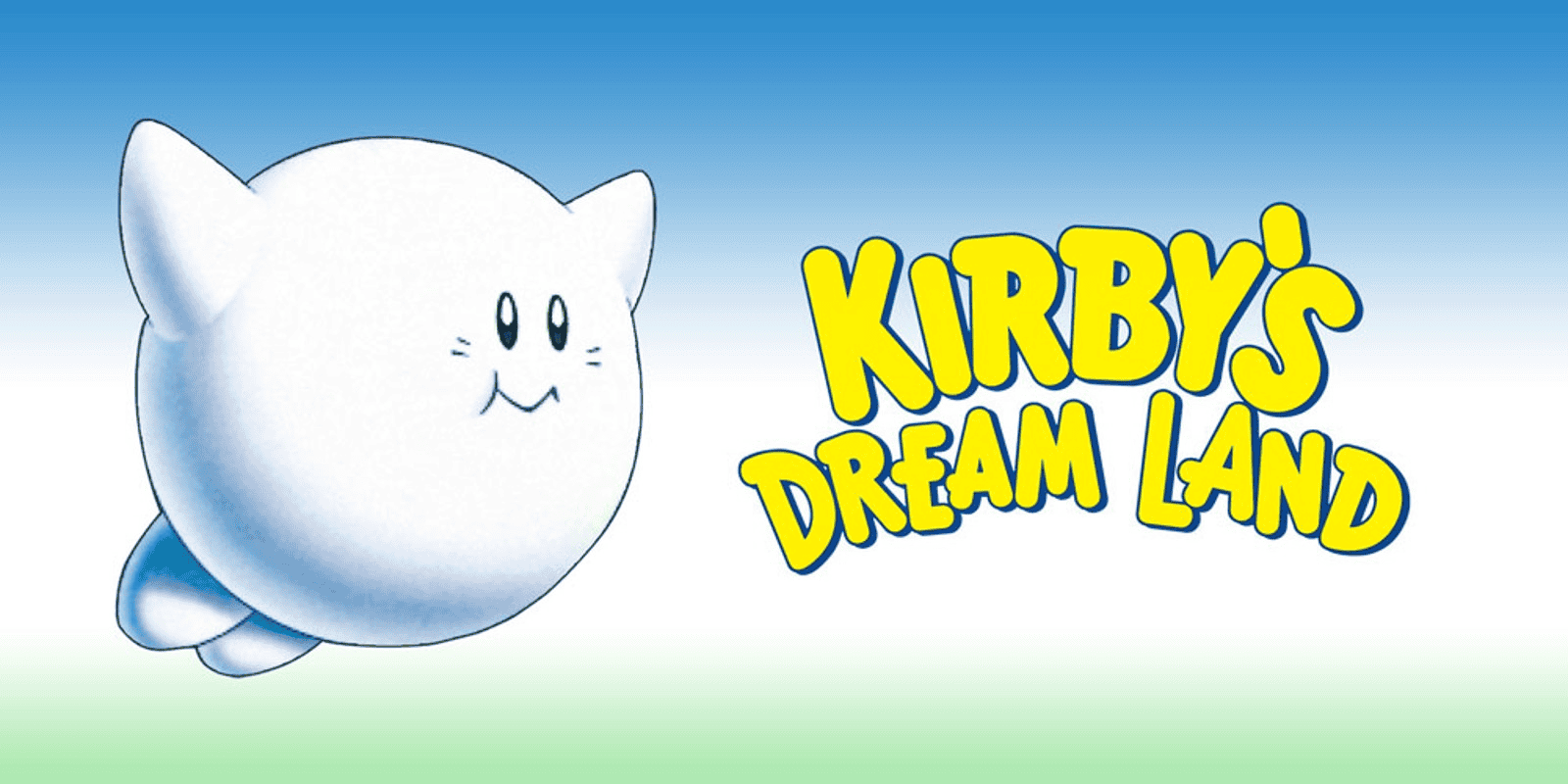
Kirby’s Dream Land introduced the character Kirby and his signature ability to inhale enemies and copy abilities. The platformer is concise and approachable, featuring charming visuals and music that helped establish Kirby as a beloved Nintendo character.
Wario Land: Super Mario Land 3
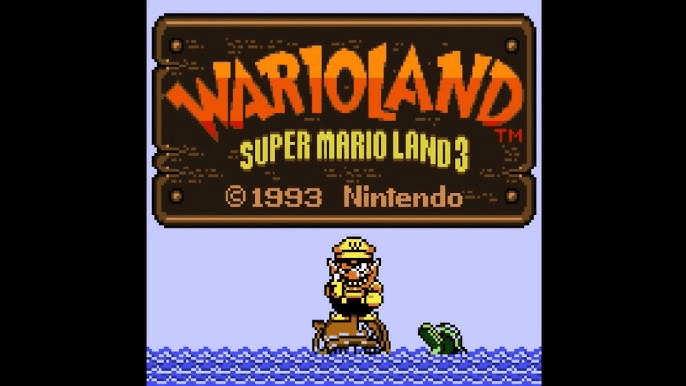
Following his debut in Super Mario Land 2, Wario became the protagonist in Wario Land: Super Mario Land 3. The game shifted focus to treasure-collection and unique abilities, offering a different tone and gameplay loop compared with Mario’s titles and launching a series of Wario adventures.
Dragon Warrior Monsters

Dragon Warrior Monsters brought monster-collection and training mechanics to the Game Boy Color, drawing inspiration from the Dragon Quest franchise. Players captured and raised monsters to battle, creating a strategic RPG experience with a focus on team building and progression.