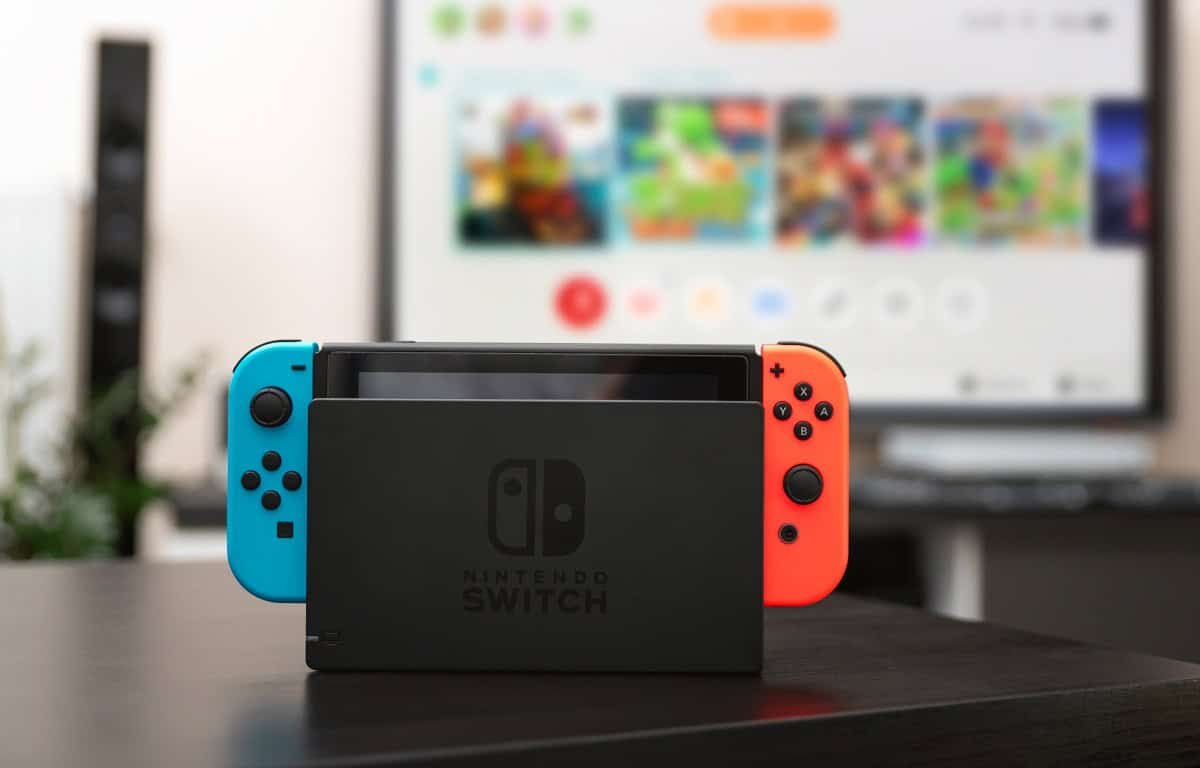
Nintendo has sold more than 143 million units of the Switch since its 2017 launch, placing the hybrid system as the third best-selling video game console in history, the company said in reporting referenced by The Wall Street Journal. Only the PlayStation 2 and the Nintendo DS have sold more.
Sales milestone and what pushed demand
The Switch’s cumulative sales surpassed 143 million units, a figure that positions the console behind the PlayStation 2 (over 155 million units) and the Nintendo DS (over 154 million units). Demand for the Switch surged during the COVID-19 pandemic, driven in part by nostalgia and the console’s lighter, more playful software lineup.
How Nintendo’s strategy differs from rivals
One of Nintendo’s strongest advantages is its library of exclusive titles: characters and franchises such as Mario remain available only on Nintendo hardware. That exclusivity contrasts with moves from Sony and Microsoft, which have increasingly made some of their games available across platforms.
Because Nintendo emphasizes accessible, often less graphically realistic experiences and offers a portable form factor, the Switch did not require the same high-end hardware as the latest Xbox and PlayStation models to succeed with a broad, diverse audience.
Switch 2 confirmed, announcement coming in 2025
Nintendo has acknowledged that a successor, commonly referred to as the Switch 2, will be released and said a formal announcement with more details is planned for 2025. The company faces declining profits compared with earlier peaks, a factor that has increased interest in new hardware.

Rumors previously circulated suggesting the next console could support 4K output and offer visual performance closer to PlayStation 5 and Xbox Series X, though those reports remain speculative until Nintendo’s official 2025 disclosure.
Financial highlights tied to the Switch
During the pandemic period of heightened demand, Nintendo reported a quarter in which Switch-related revenue reached $1 billion. Despite that strong performance, the company has signaled that refreshed hardware is needed to sustain growth.
What remains unchanged
The defining competitive edge for Nintendo continues to be its exclusive game portfolio. Players seeking flagship Nintendo characters and franchises must purchase the company’s consoles, a dynamic that has helped drive long-term Switch sales momentum.