Five characters who began as game protagonists have become enduring symbols of the video game industry: Crash Bandicoot, Pac‑Man, Pikachu, Sonic and Super Mario. Each emerged at a specific moment to represent a franchise, platform or company and went on to influence pop culture beyond gaming.
What defines a video game mascot?
A video game mascot is a distinctive character that represents a game, franchise or company and becomes widely recognizable. Mascots typically combine memorable design, a clear personality and strong association with a brand or gameplay style.
Beyond their roles inside games, mascots often appear across media and merchandise, helping shape a franchise’s identity and attract new audiences.
Crash Bandicoot: Naughty Dog’s island hero
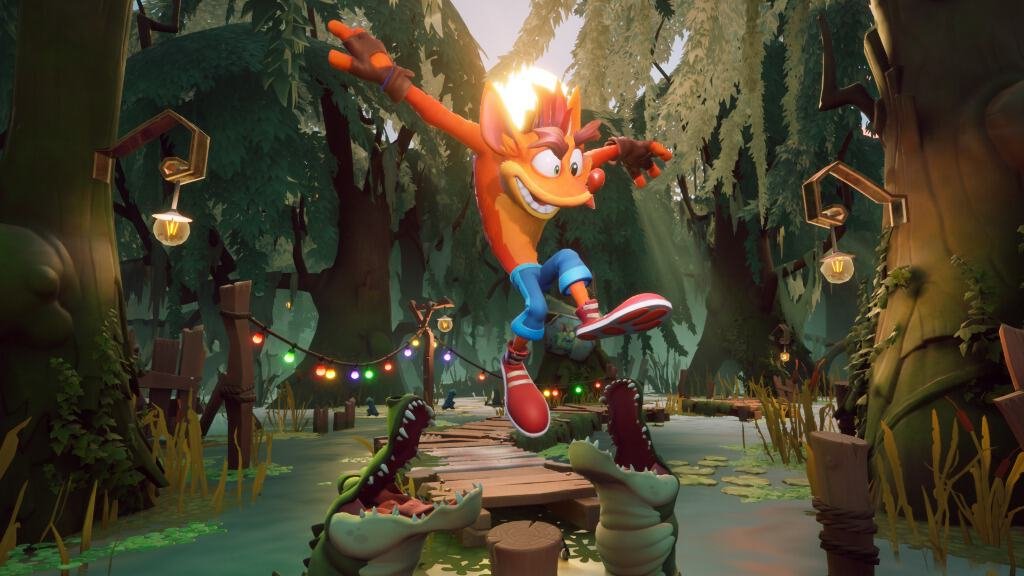

Crash Bandicoot was created by Naughty Dog and first released in 1996 for the PlayStation. Conceived to rival established mascots, Crash is an anthropomorphic bandicoot known for his colorful design and playful demeanor.
The character stars in adventures set on tropical islands, frequently opposing the antagonist Dr. Neo Cortex, who seeks world domination. The original game earned praise for its gameplay and graphics at the time, and the franchise expanded with sequels, spin‑offs and an animated series.
Pac‑Man: the arcade phenomenon
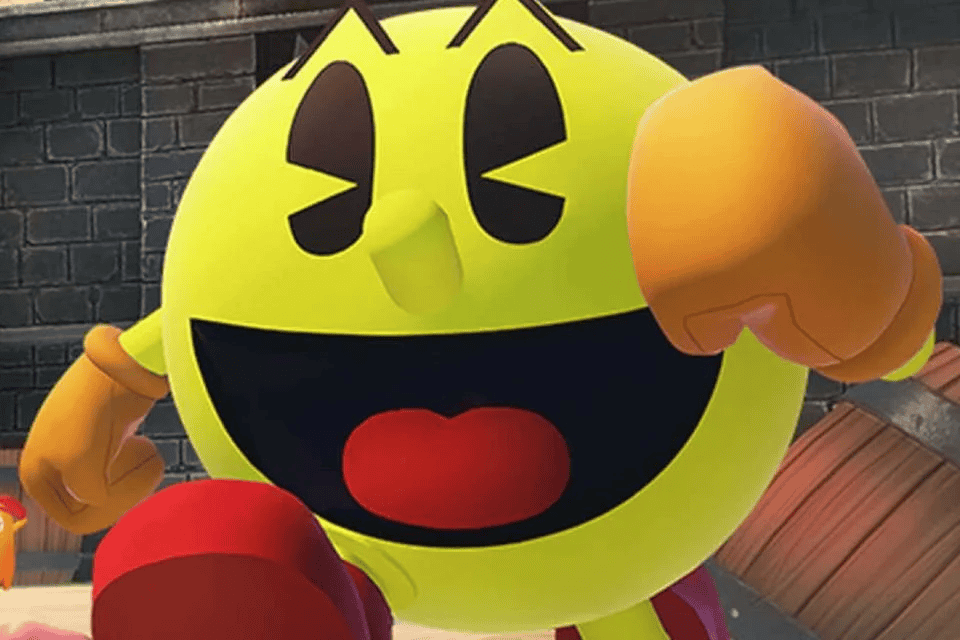
Pac‑Man was created by Toru Iwatani and launched by Namco in 1980. Built around a simple concept—a yellow circle navigating a maze while eating pellets and avoiding ghosts—Pac‑Man became one of the earliest and most recognizable video game mascots.
Iwatani reportedly drew inspiration from a pizza with a missing slice when designing the character. The game aimed to broaden the arcade audience, including underrepresented players, and spawned a wide range of merchandise and an animated TV series.
Pikachu: Pokémon’s global ambassador
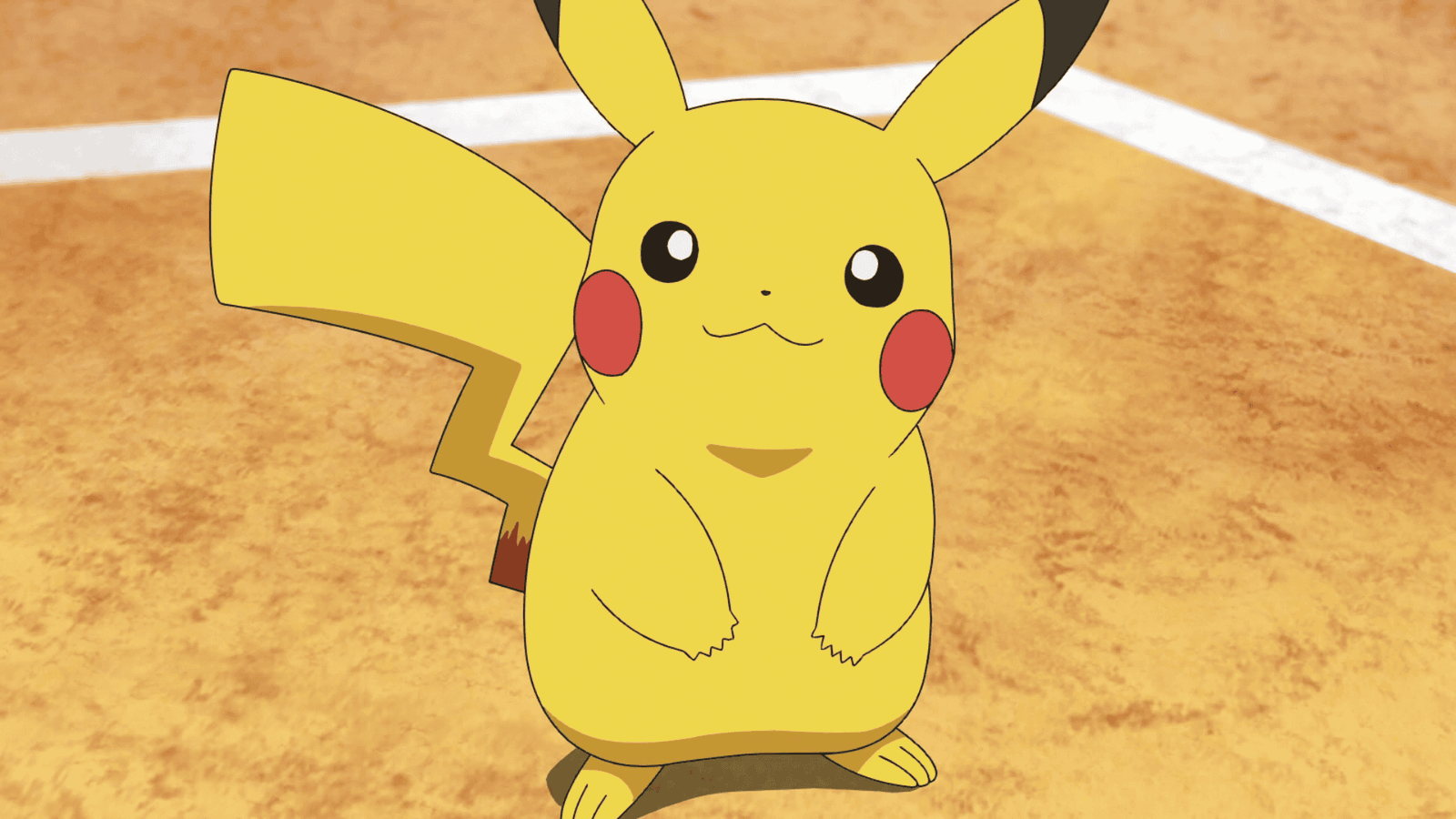
Pikachu, created by Game Freak and released by Nintendo in 1996, serves as the mascot for the Pokémon franchise. The small electric Pokémon was chosen for its cute, approachable design that appealed to both children and adults.
Pikachu’s prominence grew significantly through the Pokémon anime, where its partnership with the trainer Ash Ketchum helped popularize themes of friendship and perseverance. The success of the games, anime and films established Pikachu as a worldwide cultural icon.
Sonic: Sega’s speedy emblem
Sonic the Hedgehog debuted in 1991 as Sega’s answer to rival platform mascots. Designed to embody speed and attitude, Sonic was created to attract a younger audience and to stand out with a “cool” persona.
The character battles Dr. Robotnik (also known as Dr. Eggman), who uses machines to threaten the world. Sonic’s fast gameplay and distinctive style led to numerous sequels, spin‑offs, animated shows and films, cementing his status as a major gaming figure.
Super Mario: the industry’s flagship mascot
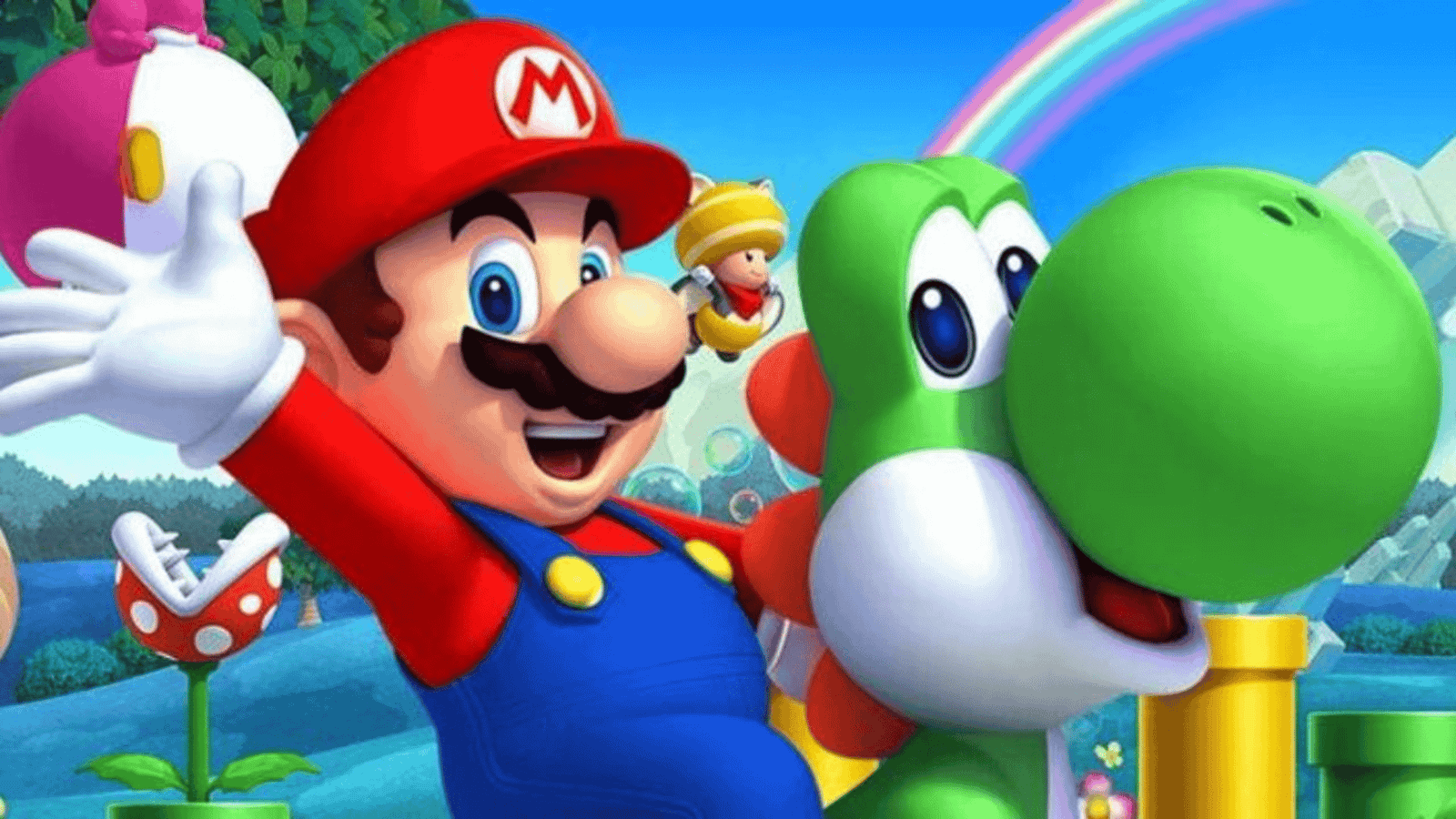
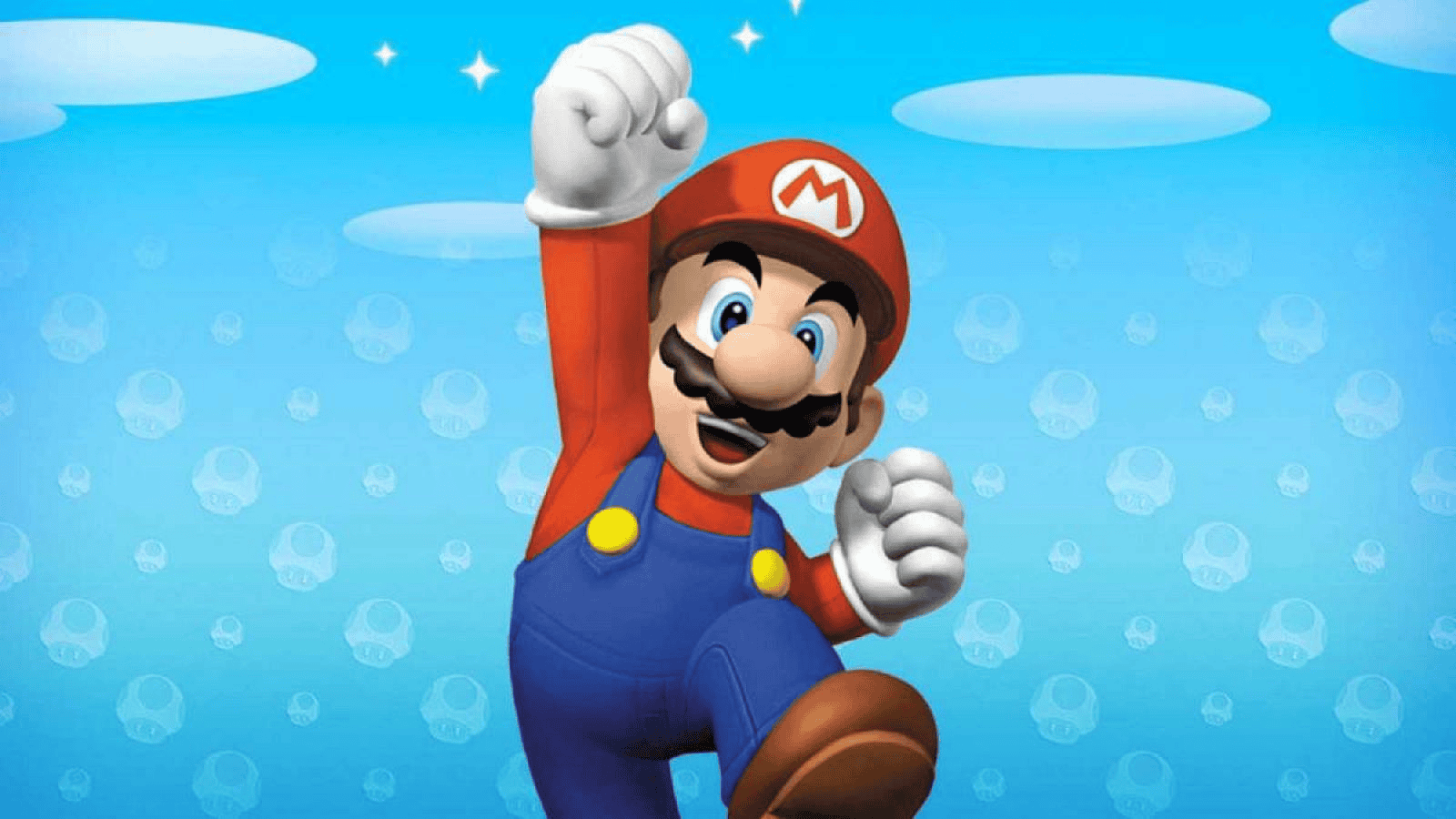
Super Mario, developed by Shigeru Miyamoto and released by Nintendo in 1985, is widely regarded as the preeminent video game mascot. Mario, an Italian plumber, stars in quests to rescue Princess Peach from Bowser and embodies Nintendo’s platforming legacy.
Mario’s original design grew out of technical limitations of early hardware but proved instantly iconic. The 1985 game “Super Mario Bros.” set new standards for platformers and helped popularize home consoles. The franchise expanded into countless sequels, spin‑offs, films, animated series and merchandise, making Mario a cultural symbol that extends well beyond gaming.
Together, these five mascots illustrate different eras and strategies in game design and marketing: arcade innovation with Pac‑Man, console competition with Mario and Sonic, franchise globalization with Pikachu, and platform defining characters like Crash. Each has left a lasting imprint on both the industry and popular culture.