The Summer Game Fest announcement that set GTA 6’s pre-order date has prompted a near‑industrywide pause: publishers and studios are delaying releases and reallocating budgets to avoid going head‑to‑head with Rockstar’s November launch.
Executives describe this response as risk mitigation. Rockstar’s release is expected to monopolize global attention, making marketing during the same window exponentially more expensive. For many companies, competing directly with that level of visibility would drive customer acquisition costs to unsustainable levels.
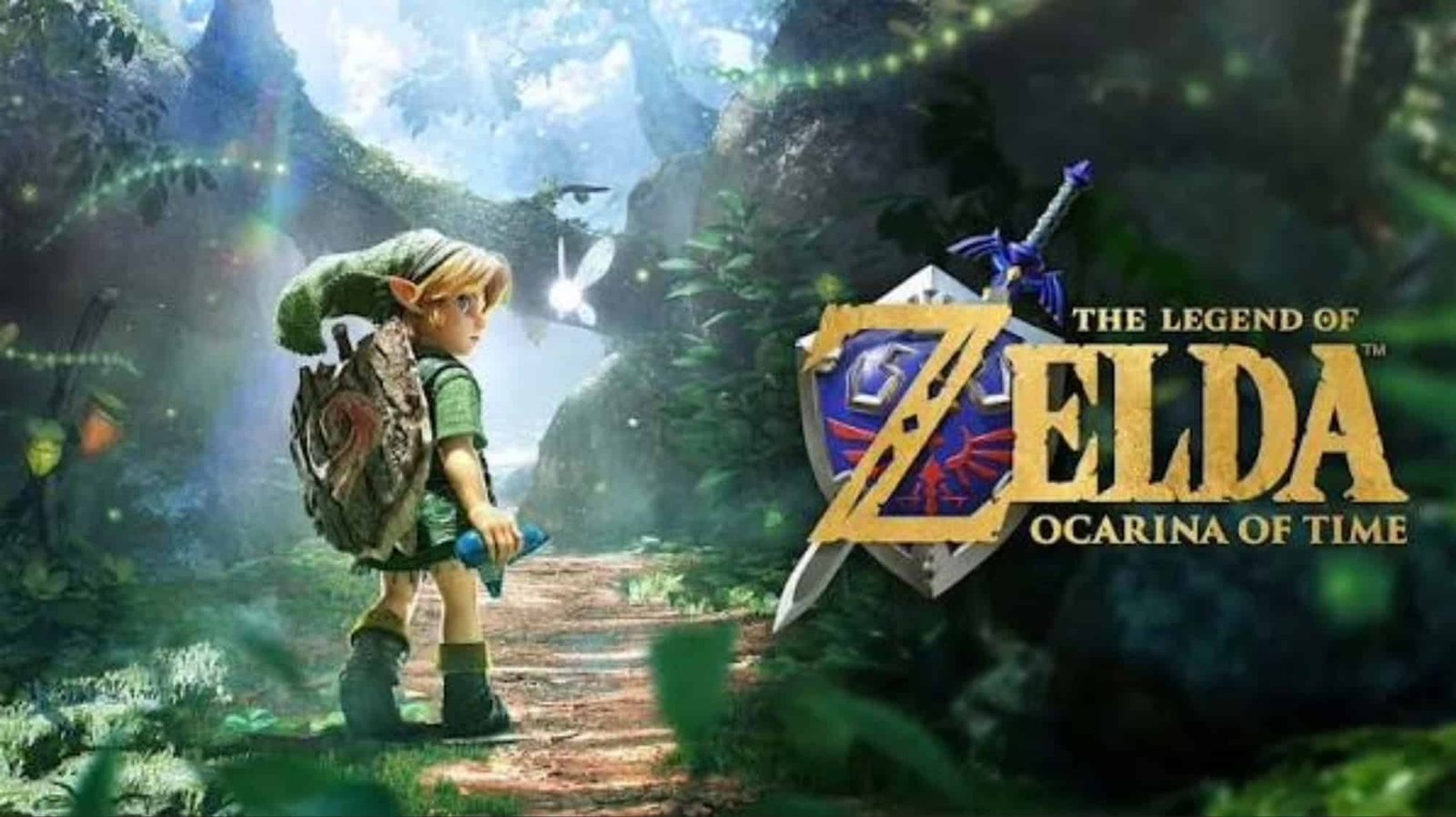
While much of the industry retreats, Nintendo is maintaining its schedule. The company revealed a remaster of Zelda: Ocarina of Time and has not signaled any changes to its release plan. That choice reflects a fundamentally different business approach rather than mere stubbornness.
Two contrasting business models
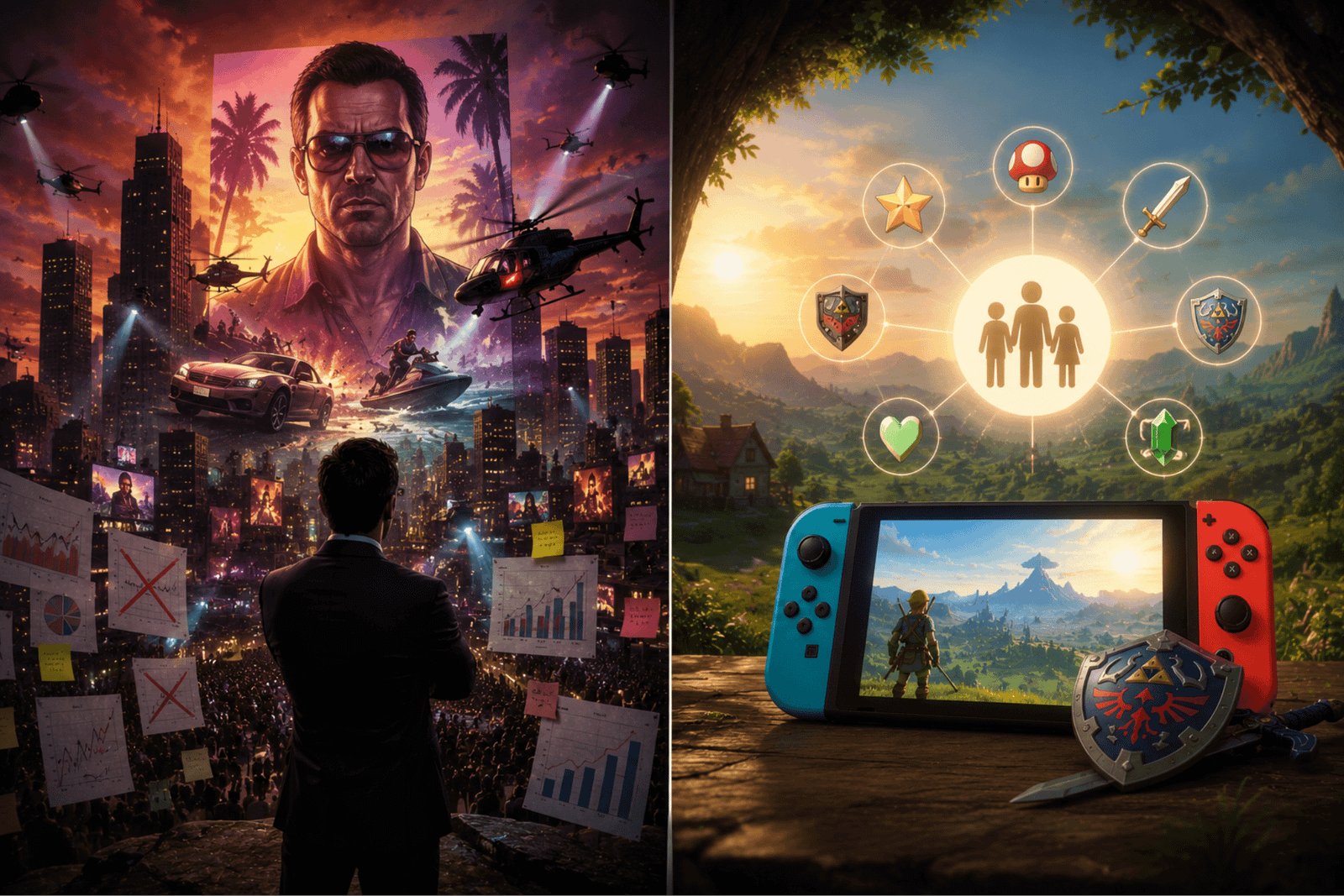
Rockstar’s strategy centers on a single, massive event. Their financial model relies on years of development and huge upfront investment to deliver a product capable of record‑breaking revenue in a short window. The brand’s value is tied to disruption and dominating global conversations around launch.
Nintendo, by contrast, focuses on protecting and operating within its own ecosystem. Rather than competing on raw technical spectacle, it leverages entrenched intellectual properties and high user retention to sell products with a more predictable demand. A Zelda remaster taps an established audience that will purchase regardless of external media noise.

Implications for other sectors
The situation poses a clear question for brands outside gaming: do you try to capture attention in a crowded moment, or build an environment where customers are already engaged and unlikely to look elsewhere?
Both models can generate billions in revenue, so neither is intrinsically wrong. The critical error for many companies is misapplying the tactics of one model to the other—attempting blockbuster timing without the brand power of Rockstar, or selling nostalgia without Nintendo’s ecosystem strength.
Strategic clarity as the central risk
The more dangerous risk than facing a dominant competitor is lack of clarity about your own business leverage and limitations. Effective leadership recognizes which model fits the brand and plans accordingly, rather than chasing attention where the cost outweighs potential returns.