
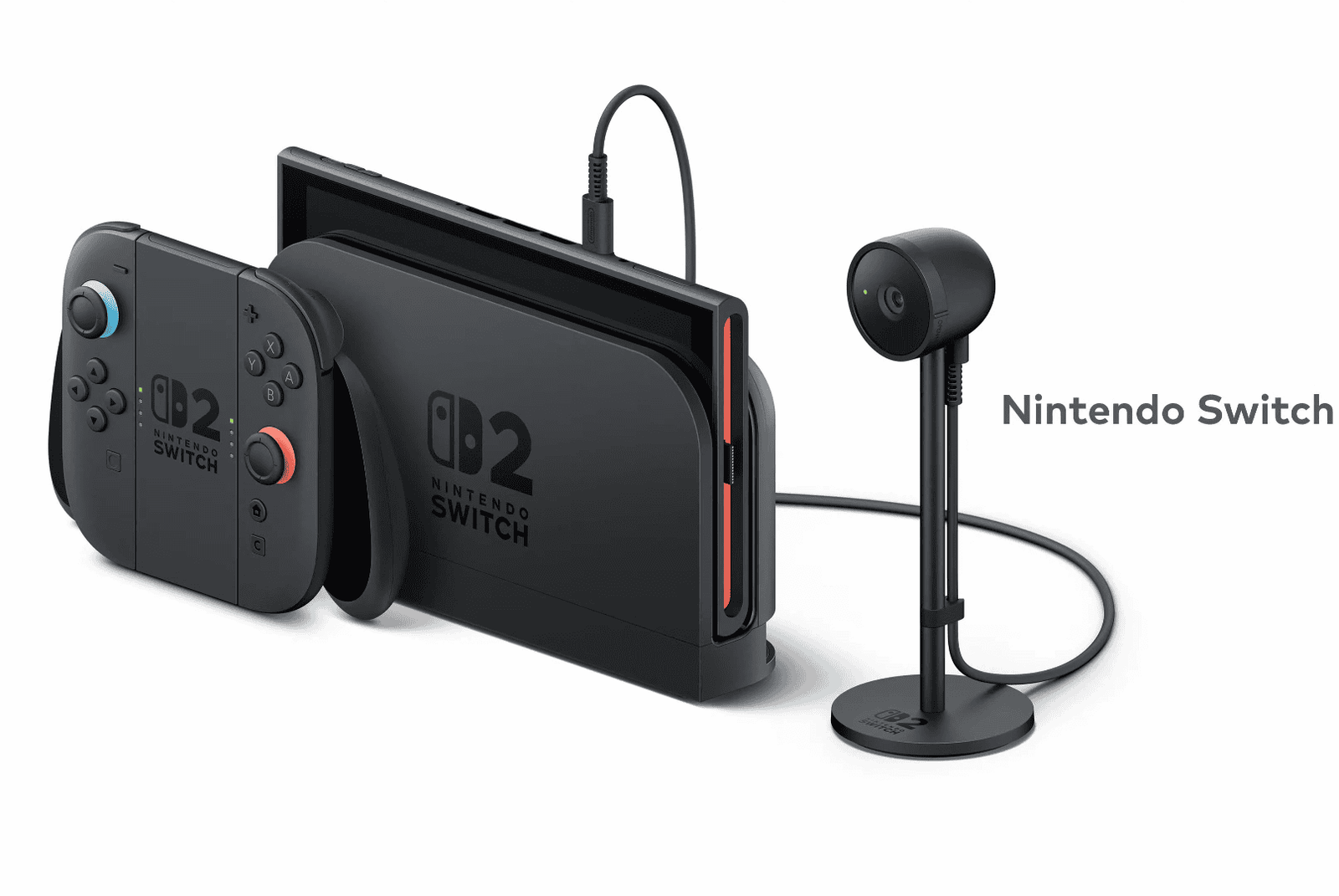
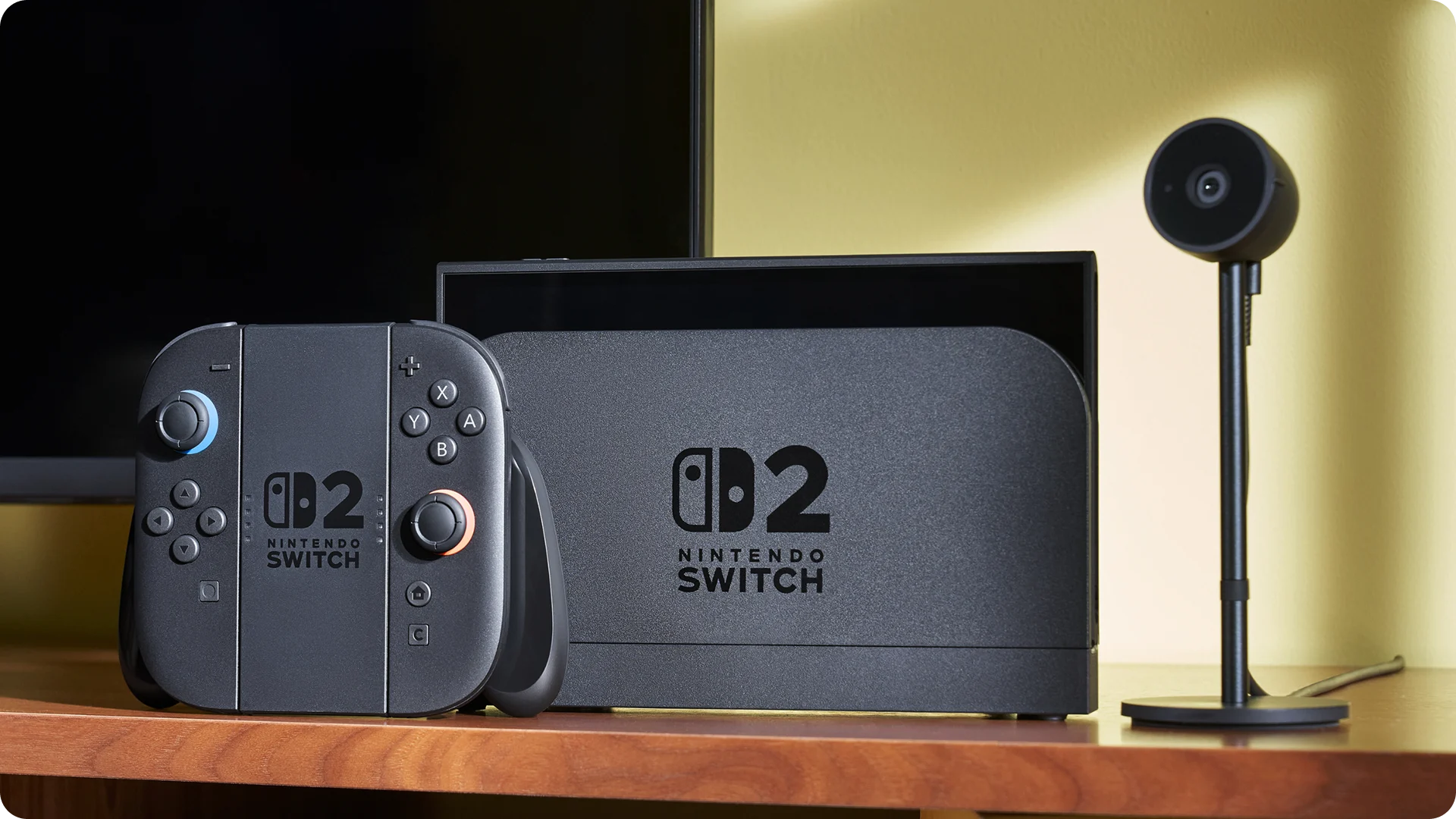
The Switch 2’s new GameChat feature lets players hold voice or video conversations with others, but Nintendo warns that those interactions can be recorded in specific circumstances. The company updated its terms of use and displays a consent screen before a user’s first GameChat session.

When audio and video may be stored and sent to Nintendo
GameChat keeps recent conversation content temporarily on both your Switch 2 and the consoles of the players you spoke with. Nintendo says that, under certain conditions, those audio or video snippets may be uploaded to the company.
Specifically, if a user files a report alleging a violation of Nintendo’s community guidelines, the reporting player can review the final three minutes of each of the three most recent conversations to mark when the alleged violation occurred.
That report must be submitted within 24 hours of the incident, which indicates the recorded material remains on users’ devices for only a day before it is no longer available locally.
Who may receive information after a violation report
After a complaint is made, Nintendo states it may share relevant information with third parties involved in reviewing the allegation. Those parties can include law enforcement, courts, lawyers, or Nintendo staff assigned to investigate violations.
In practice, this means Nintendo could provide conversation-related data to police if the company deems it necessary in response to an investigation or legal process.
Measures aimed at protecting minors
Nintendo says these procedures exist primarily to protect GameChat users, with an emphasis on minors. The company also allows parents and guardians to restrict who children can communicate with using the feature.
Another requirement to use GameChat is that users must provide a phone number matching the one linked to their Nintendo account.
Availability and future access
GameChat is currently offered to all Switch 2 users during a trial period. Nintendo plans to make the feature exclusive to Nintendo Switch Online subscribers starting in mid‑2026.