
Roughly 12 terabytes of data stored on Steam servers, containing internal builds of games from 2003 to 2013, have been revealed in a leak that appears to stem from vulnerabilities in Valve’s infrastructure rather than a classic hack or social-engineering breach.
What was leaked and when
The trove covers about a decade of development files, ending in 2013 — the year Valve transitioned from its older Steam2 infrastructure to the SteamPipe distribution system. The collection reportedly includes preliminary versions, discarded assets and other behind-the-scenes materials for multiple titles.
Who exposed the files
The leak was brought to public attention by content creator GabeFollower, who researches Valve projects. According to his report, the dataset contains not only Valve’s own projects but also builds of games from other developers that were hosted on Steam.
How the leak reportedly happened
GabeFollower said the files were accessible because of vulnerabilities left open by Valve, not because of a targeted external intrusion. He also noted that the person who discovered the exposed data did not necessarily own all the games whose files were accessible.
Notable contents: canceled Portal prequel F-Stop
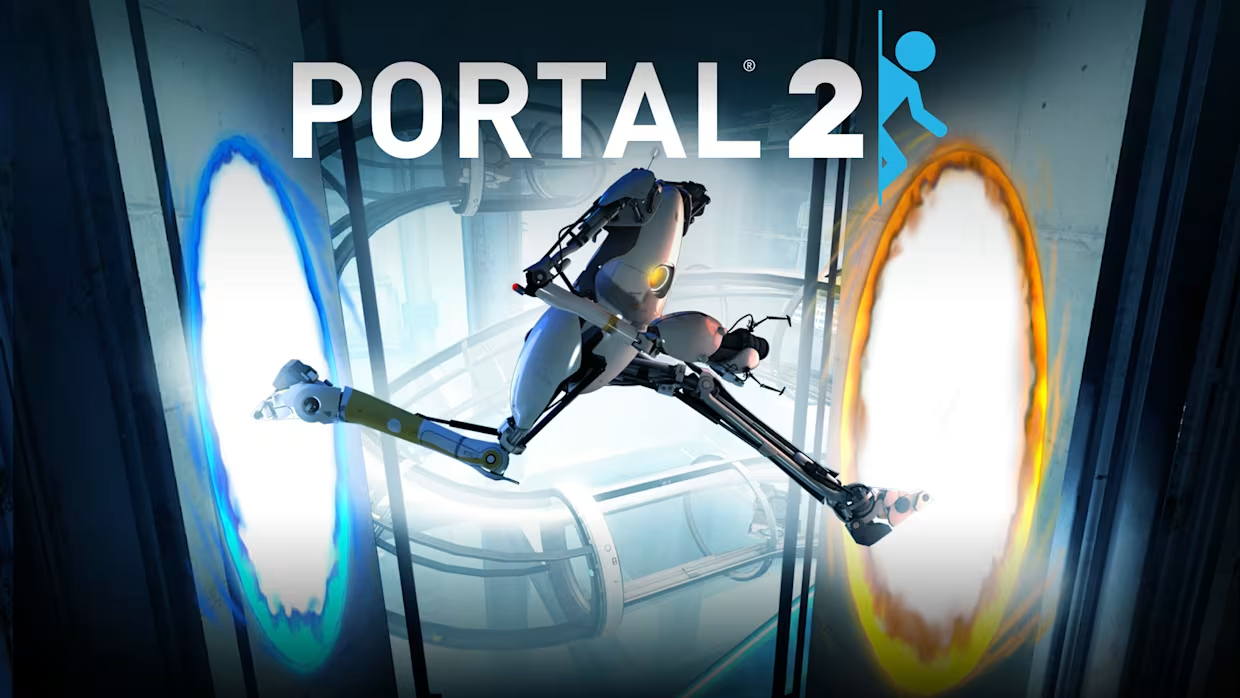
Among the highlighted items is F-Stop, a canceled title described as a prequel to Portal. In that project, players would use an Aperture Science camera to photograph objects and later spawn them into the environment — a mechanic that was never released commercially.
The leak could reveal additional development details and unused content from F-Stop that had not been seen in released versions of Valve’s games.
Third-party builds discovered: Spec Ops: The Line
The cache is not limited to Valve-owned projects. Early examinations have uncovered third-party material, including a January 2011 build of Spec Ops: The Line, which later released in 2012.
Because the dataset amounts to approximately 12 TB and spans many titles, analysis is still in its early stages. More discoveries about older games and canceled projects may emerge as researchers continue to inspect the files.
Comparisons and implications
Given its scale and the nature of exposed internal assets and source materials, the incident is being compared by some researchers to the Nintendo “Gigaleak,” a prior large-scale release of internal game materials. The full scope and impact of the Steam leak remain under investigation as work continues to catalog and verify the contents.