In early February 2014, Vietnamese developer Dong Nguyen removed Flappy Bird from the iOS and Android app stores at the height of its popularity, just months after its release and while the game sat among the most-downloaded mobile apps.
Simple design, viral growth
Originally released for iOS in May 2013, Flappy Bird took several months to find a wide audience. Its surge in popularity came in early 2014, by which time an Android version had also been released and the game was ranking at the top of free app charts.
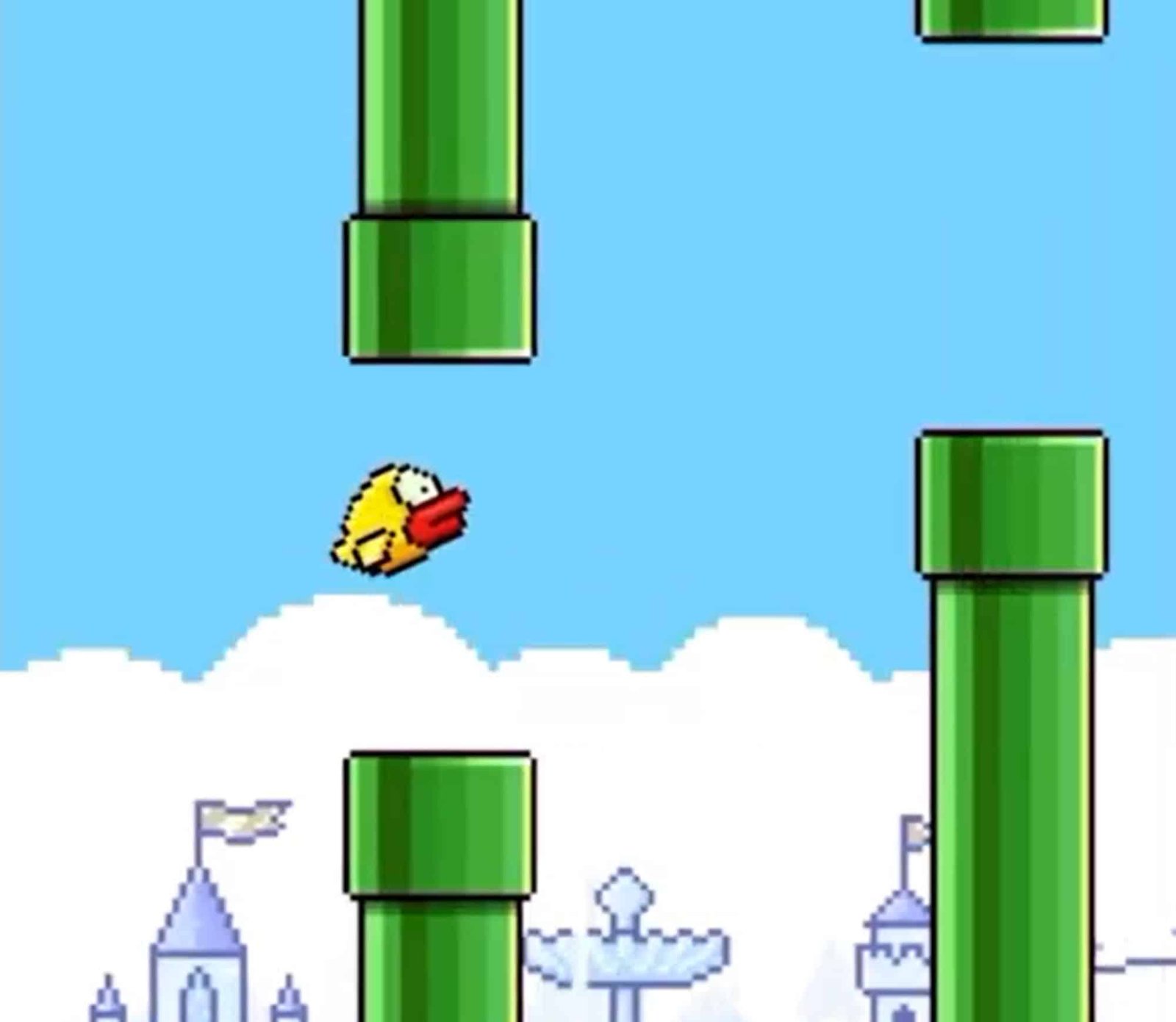
The gameplay was minimal: players tapped the screen to keep a bird airborne and guide it through gaps between pipes without colliding. Each successful pass increased the score; any collision ended the run. Despite basic graphics, the game’s steep difficulty made it a frequent topic among players and propelled millions of downloads.
Nguyen developed Flappy Bird on his own, saying the programming took about two to three days, including tweaks to the game’s feel. The title’s spread was amplified on social media—one notable boost came from a widely viewed video by Swedish YouTuber Felix Kjellberg (PewDiePie).
Why Nguyen pulled the app
Nguyen explained that the removal was not due to lawsuits, pressure from Nintendo, or a marketing ploy. Instead, he said the decision stemmed from how the game affected both players and his own life.
He intended Flappy Bird to be a quick distraction for brief play sessions, but he felt it had become excessively addictive. Nguyen reported that the game’s sudden fame disrupted his peace: he experienced sleep problems and a loss of his previous routine. For these reasons, he concluded taking the app down was the best option.
Nguyen announced his choice on social media on February 8, 2014, and removed the game the following day. Users who already had the app installed could continue playing, but official downloads were disabled.
Legal and promotional suspicions

The abrupt removal sparked speculation about legal issues. Observers pointed to visual similarities between Flappy Bird’s pipes and elements from early Super Mario Bros. titles as a possible cause. Nguyen denied any legal dispute prompted the decision, and Nintendo reportedly stated it had not taken action against him at that time.
There were also doubts about the speed of the game’s rise in app rankings. Nguyen rejected notions that he used artificial promotion strategies, attributing the success to favorable circumstances and luck.
Revenue and Nguyen’s stance
The decision came while Flappy Bird was generating substantial ad revenue. Nguyen told the press the in-app advertisements were earning about US$50,000 per day, a figure he later did not confirm to Forbes but acknowledged as significant.
Despite the earnings, Nguyen stood by his choice to remove the app and said he did not consider it a mistake. At the time, he ruled out creating a Flappy Bird sequel.
After the takedown: clones, resale, and continued development
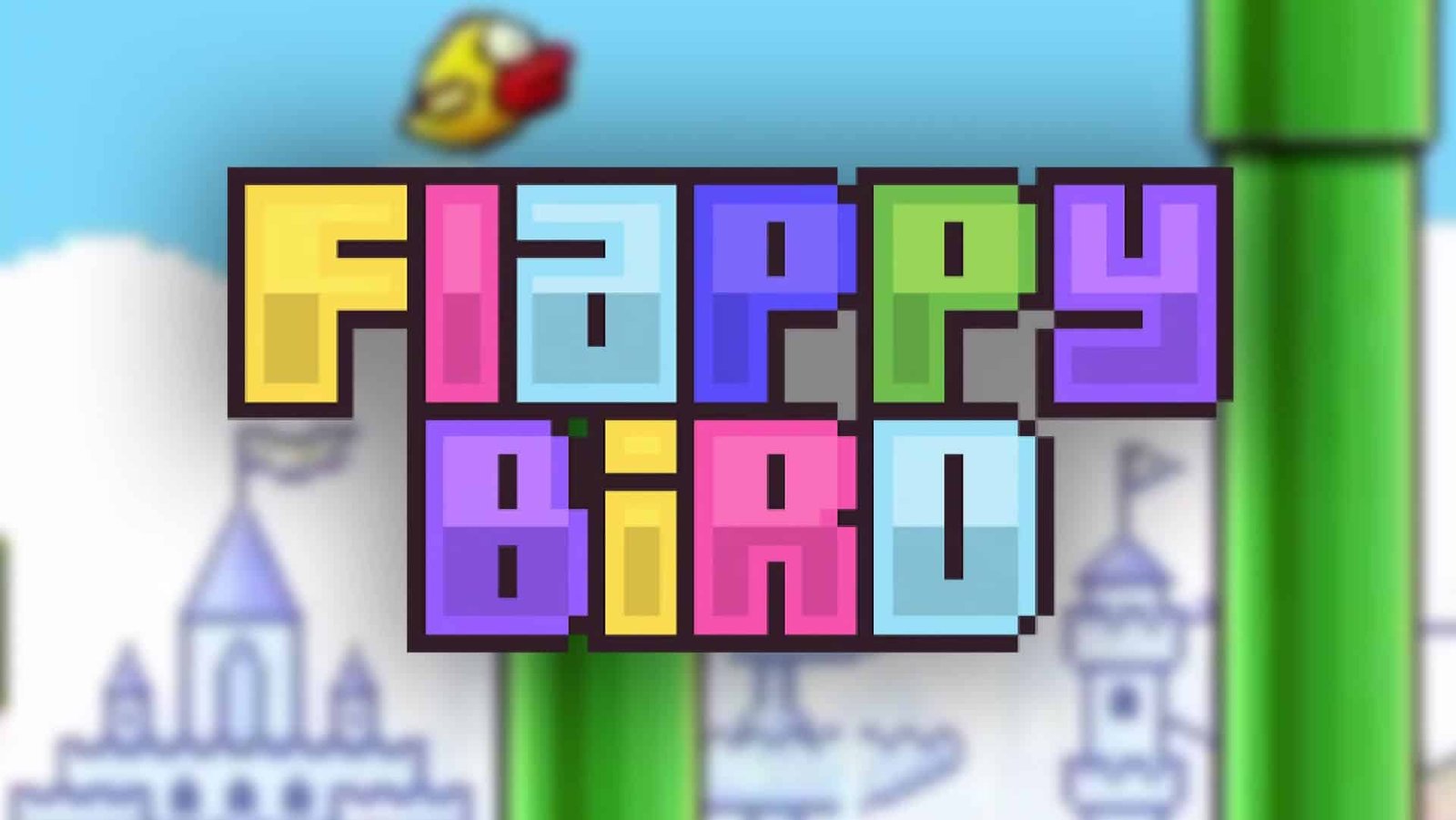
Flappy Bird’s story continued after February 2014. The title inspired many clones, and devices with the original app installed were resold at high prices. Nguyen kept developing other games—titles such as Super Ball Juggling and Shuriken Block remained available for iOS, and he said the experience gave him confidence to keep creating.
Revival without Nguyen
Years later, in September 2024, the Flappy Bird Foundation announced plans to relaunch the game, claiming to have acquired rights from a company called Gametech Holdings. Nguyen stated he was not involved, saying he had not sold anything related to the project and did not support cryptocurrency-related initiatives.
Concerns emerged over references suggesting the game could be linked to blockchain technology, although official materials did not clearly present that plan and raised questions about the foundation’s intentions.
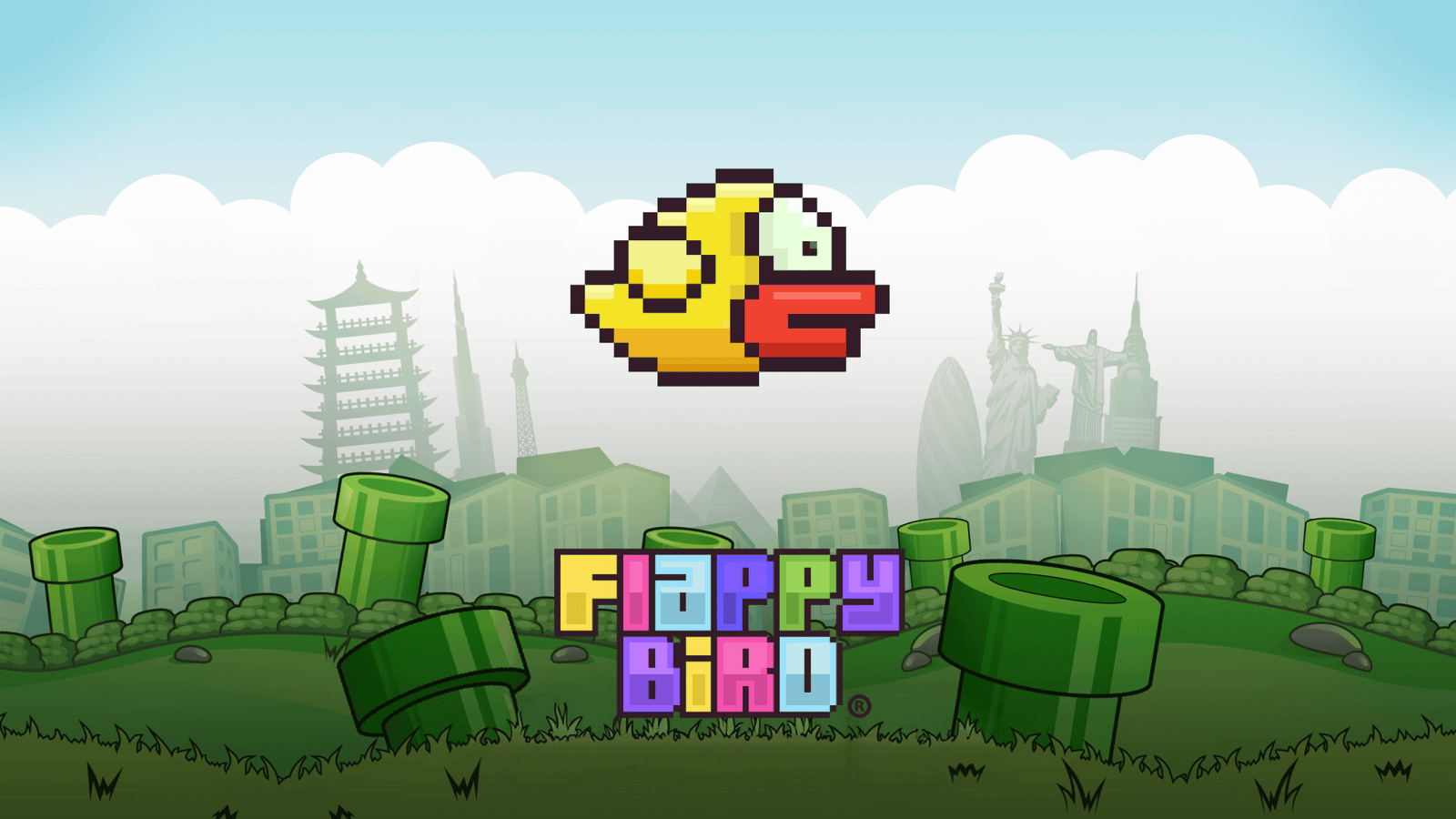
In 2025, a new version appeared on Android via the Epic Games Store. That relaunch, produced without Nguyen’s participation, introduced Classic and Quest modes: Classic replicated the original mechanics, while Quest offered levels with specific objectives. Monetization also changed, adding in-app purchases to remove ads and items that let players revive during runs. The organization behind the return stated the release did not include Web3 elements.
A report by GameSpot indicated Nguyen did not benefit financially from the relaunch. The article also linked the situation to Nguyen’s loss of the U.S. trademark after Gametech Holdings filed an opposition that Nguyen did not respond to.