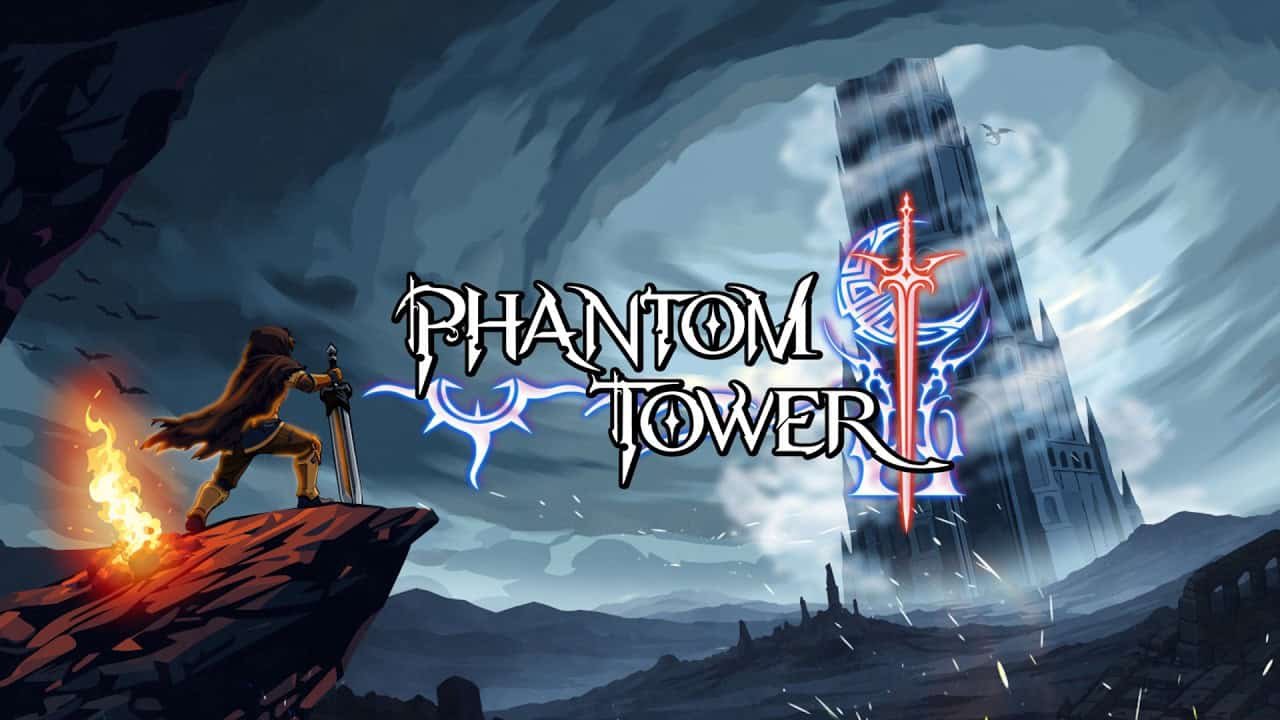
Phantom Tower launched on Steam Early Access on July 13, 2026. Developed by the two-person Horien Studio, the action-Roguelite promises eight distinct classes, elemental reaction mechanics and procedurally generated dungeons for R$59.99 (with a launch discount). In practice, the game nails core combat and progression systems but is held back by slow pacing, excessive grinding and thin level design.
What Phantom Tower offers
Phantom Tower is an action RPG Roguelite available on PC through Steam Early Access and as a freemium title on Android and iOS. The premise centers on an ancient tower whose floors hide wealth, power and forgotten knowledge; players climb hoping to reach the top, and the narrative is delivered through environmental lore and item fragments rather than cutscenes or explicit character arcs.
Designed around repeated runs, the game emphasizes short tutorials, equipment upgrades, crafting and a selection of blessings earned at the end of each floor. These elements form the loop: each run feeds resources into upgrades that alter future attempts.
Strengths: combat, progression and performance
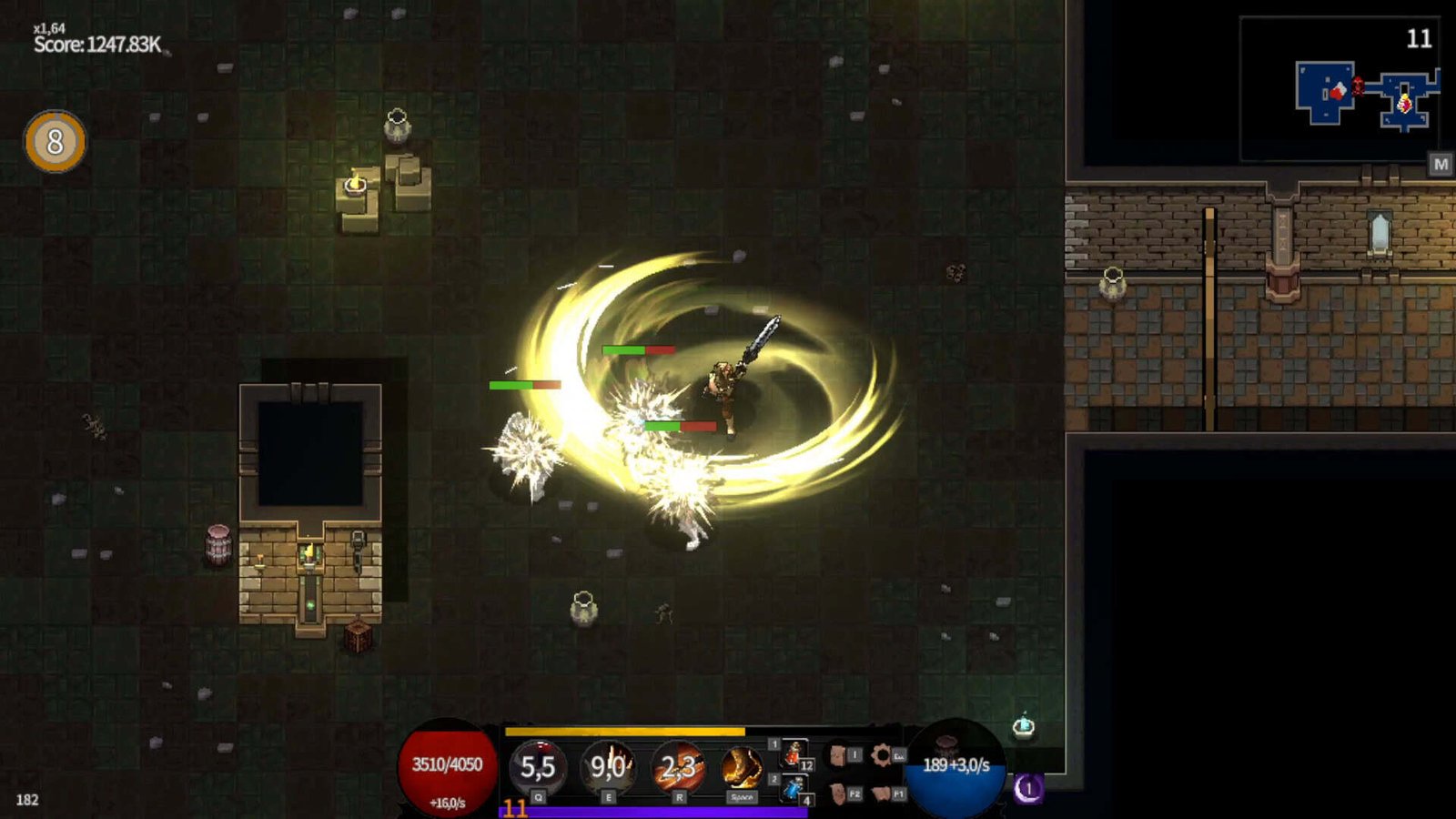
Combat is Phantom Tower’s strongest asset. Characters have three upgradable active skills that combine fluidly and create dynamic interactions during fights. The ability designs and class variety—eight classes total, each with unique playstyles—help keep encounters varied when builds are used effectively.
Blessings, crafting and meaningful trade-offs
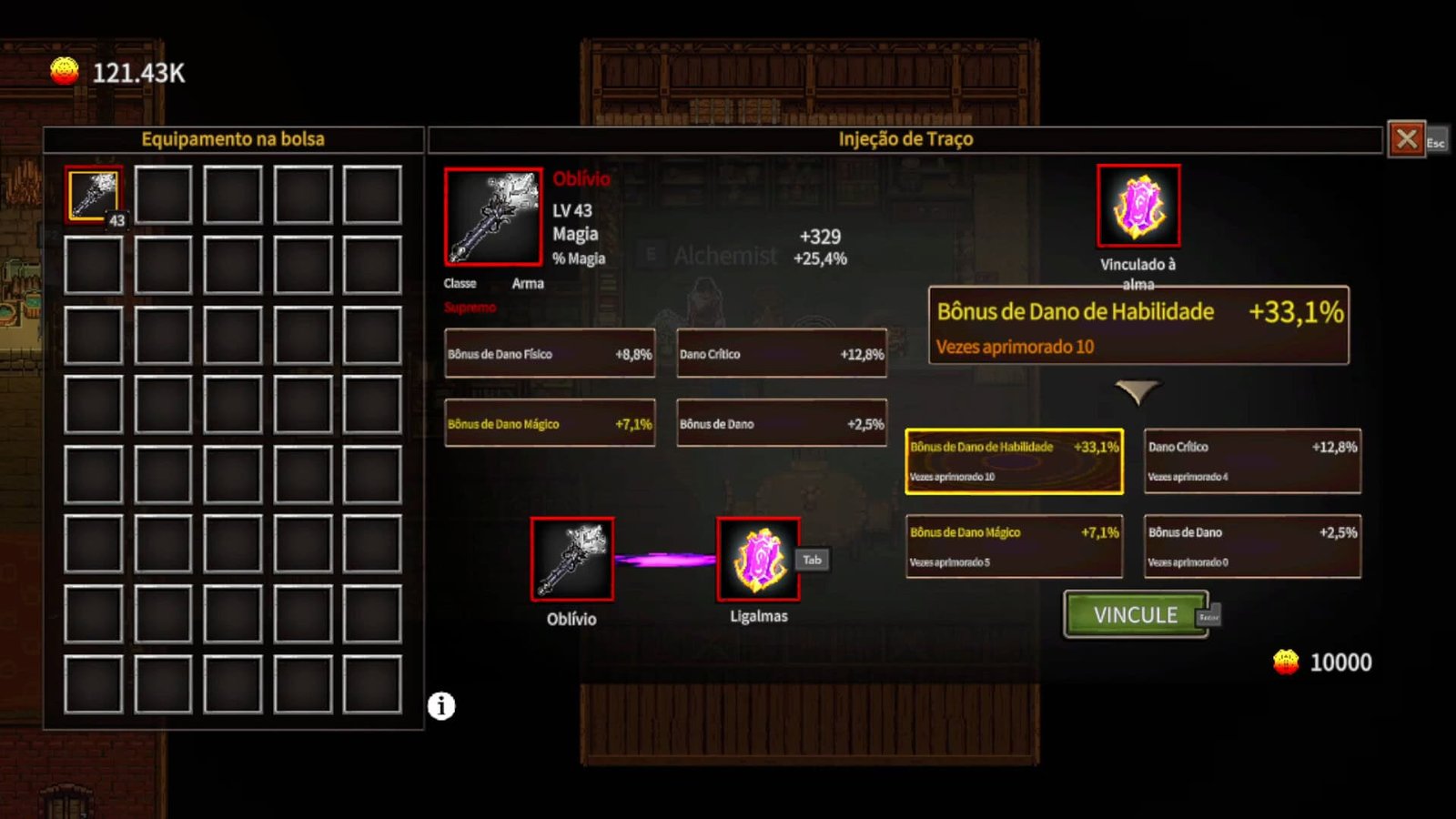
Blessings awarded after completing floors provide passive effects or attribute boosts and sometimes summon abilities that trigger periodically. Many upgrades present players with three options that frequently include both a benefit and a drawback, forcing meaningful choices that shape each run.
The in-town progression systems allow players to upgrade gear and characters using materials gathered inside the tower, purchase new classes and craft equipment. This classic Roguelite loop—where each run contributes to long-term improvement—works well here and rewards repeated play.
Controls and technical stability on PC
On PC, controls are straightforward and responsive: keyboard for movement and abilities, mouse for attacks and menu interaction. During testing the game maintained stable frame rates, with quick load times and no notable slowdowns, supporting uninterrupted sessions.
Weaknesses: pacing, design and clarity
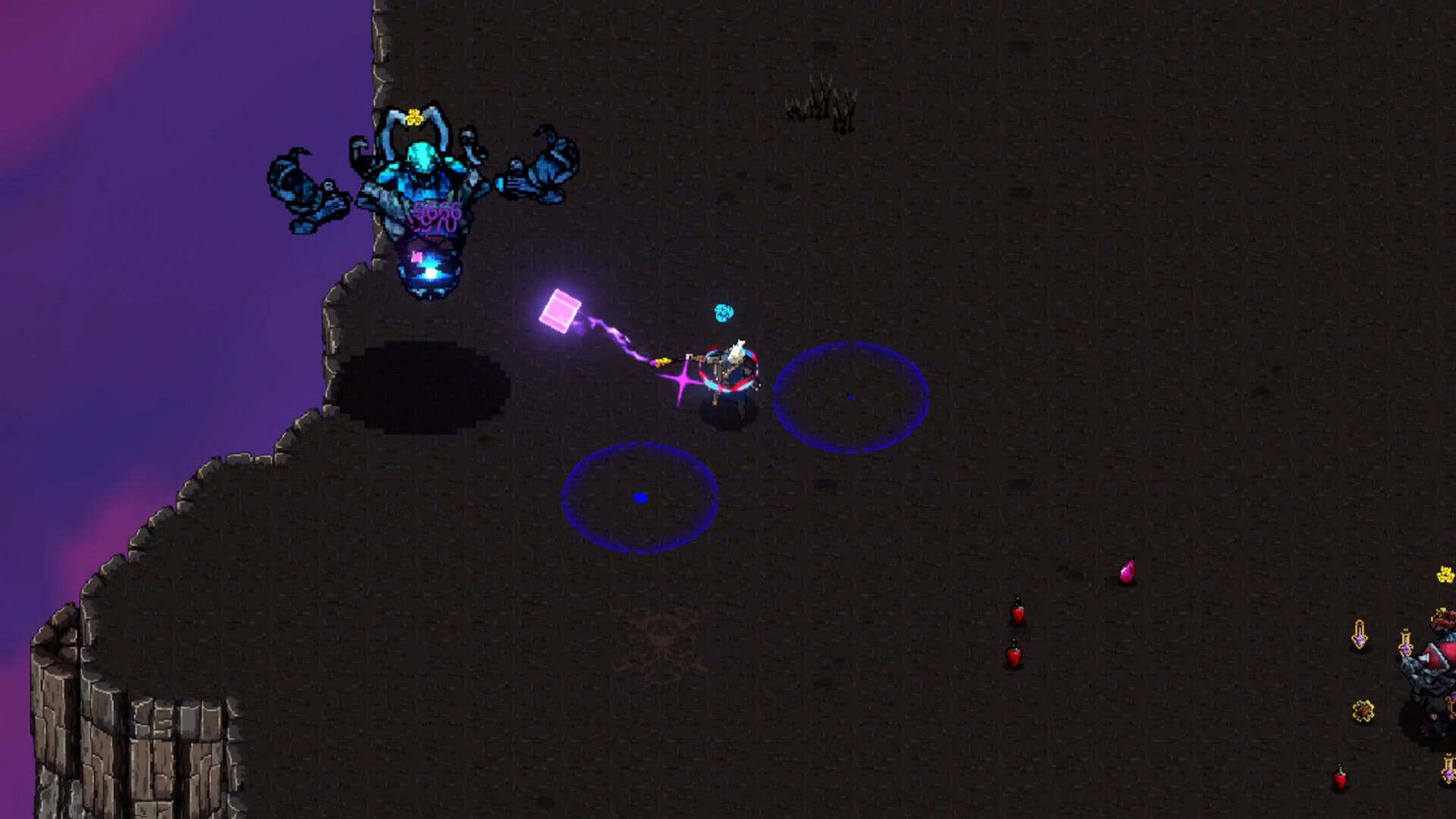
Several design issues undermine the experience. Movement and attack speeds are generally slow, and combined with high enemy health and numbers, fights can feel dragged out. That sluggishness is the game’s most persistent problem and affects both short runs and extended play.
Excessive grinding to unlock content
Although eight classes exist, only the warrior is available at the start; unlocking others requires substantial time and resource accumulation. Basic equipment and progression upgrades also demand lengthy grinding, making the game feel more time-taxing than rewarding for many players.
Small UI and uninspired level design
The PC interface and HUD are notably small and austere, which can give an impression of an unfinished or amateur presentation. Dungeon rooms frequently lack distinct elements or variation—floors often reuse identical-looking tiles and layouts—so exploration rarely yields a sense of meaningful discovery or progression.
Opaque systems and limited tutorial coverage
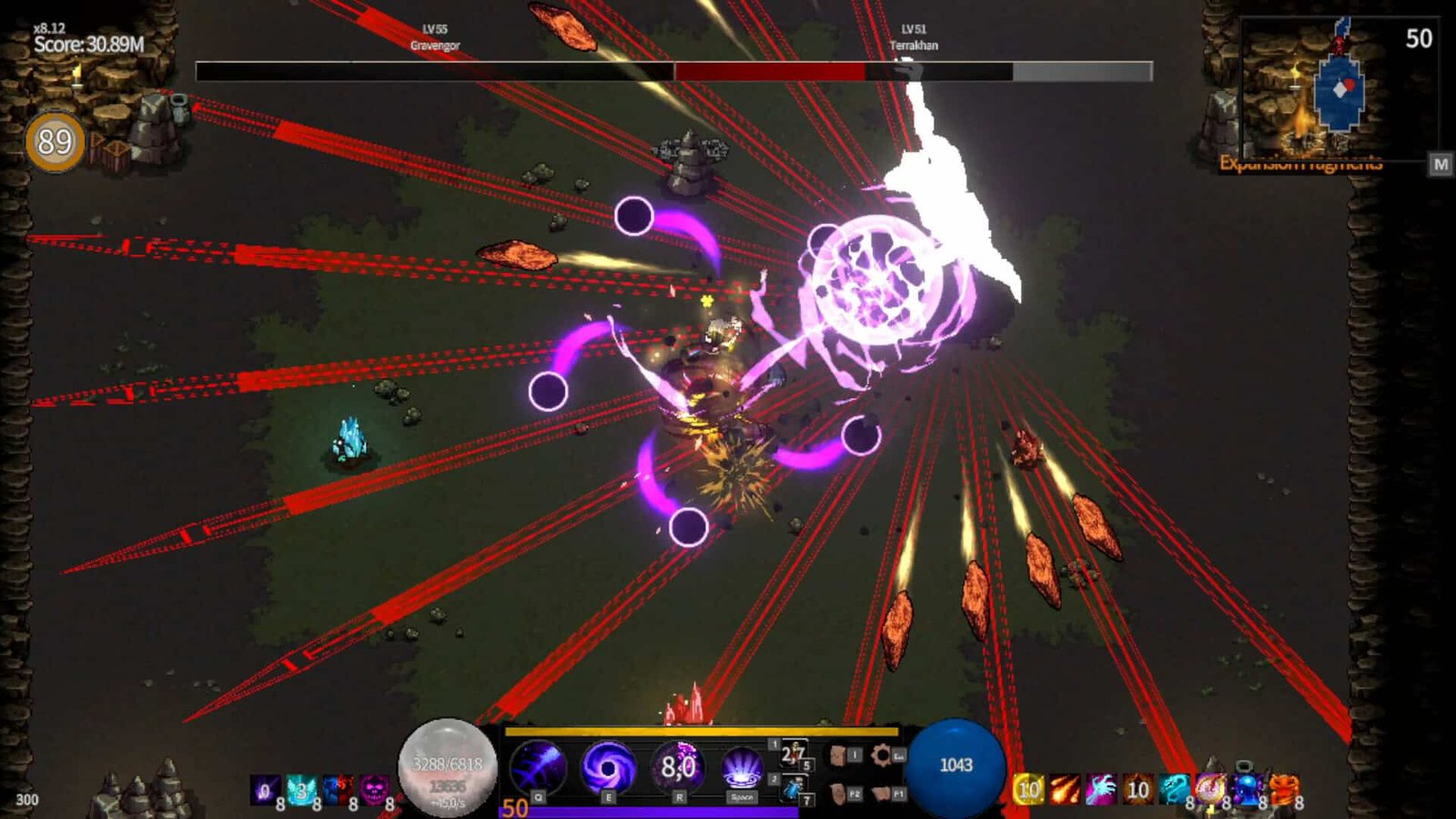
Elemental reaction mechanics are an intriguing concept but suffer from poor explanation. The game provides little clarity on how elements apply to enemies, how they interact with weapons and skills, or what strategic advantages they confer. The same lack of detail applies to crafting, buffs and secondary attributes. In a Roguelite where build decisions matter, this opacity forces trial-and-error learning that can be frustrating.
Verdict and technical details
Phantom Tower establishes solid foundations: enjoyable, combinable skills; a blessing system that forces trade-offs; and a progression loop that meaningfully improves future runs. However, slow combat pacing, heavy grinding for content access and sparse level design significantly reduce the overall appeal. At R$59.99 in Early Access, the title may suit players migrating from mobile who accept ongoing development and patience for systems refinement. Those seeking a more polished Roguelite experience at this price will likely find more complete alternatives.
Technical information
- Price: R$ 59,99
- Developer: Horien Studio
- Publisher: Horien Studio
- Early Access release: July 13, 2026
- Genre: Action RPG (Roguelite)
- Availability: Steam (PC)
- Localization: PT-BR interface and subtitles
- Platforms: PC, Android, iOS
- Multiplayer: Single-player only
- Rating: Everyone
Minimum requirements
- OS: Windows 10
- CPU: Intel Core i3-6100 / AMD Ryzen 3 1200
- Memory: 4 GB RAM
- GPU: NVIDIA GeForce GT 1030 / AMD Radeon RX 550 (2GB VRAM)
- Storage: 1 GB available space
- DirectX: Version 11
Recommended requirements
- OS: Windows 10/11 (64-bit)
- CPU: Intel Core i5-10400 / AMD Ryzen 5 3600
- Memory: 8 GB RAM
- GPU: NVIDIA GeForce GTX 1060 / AMD Radeon RX 580 (4GB VRAM)
- Storage: 4 GB available space
- DirectX: Version 11