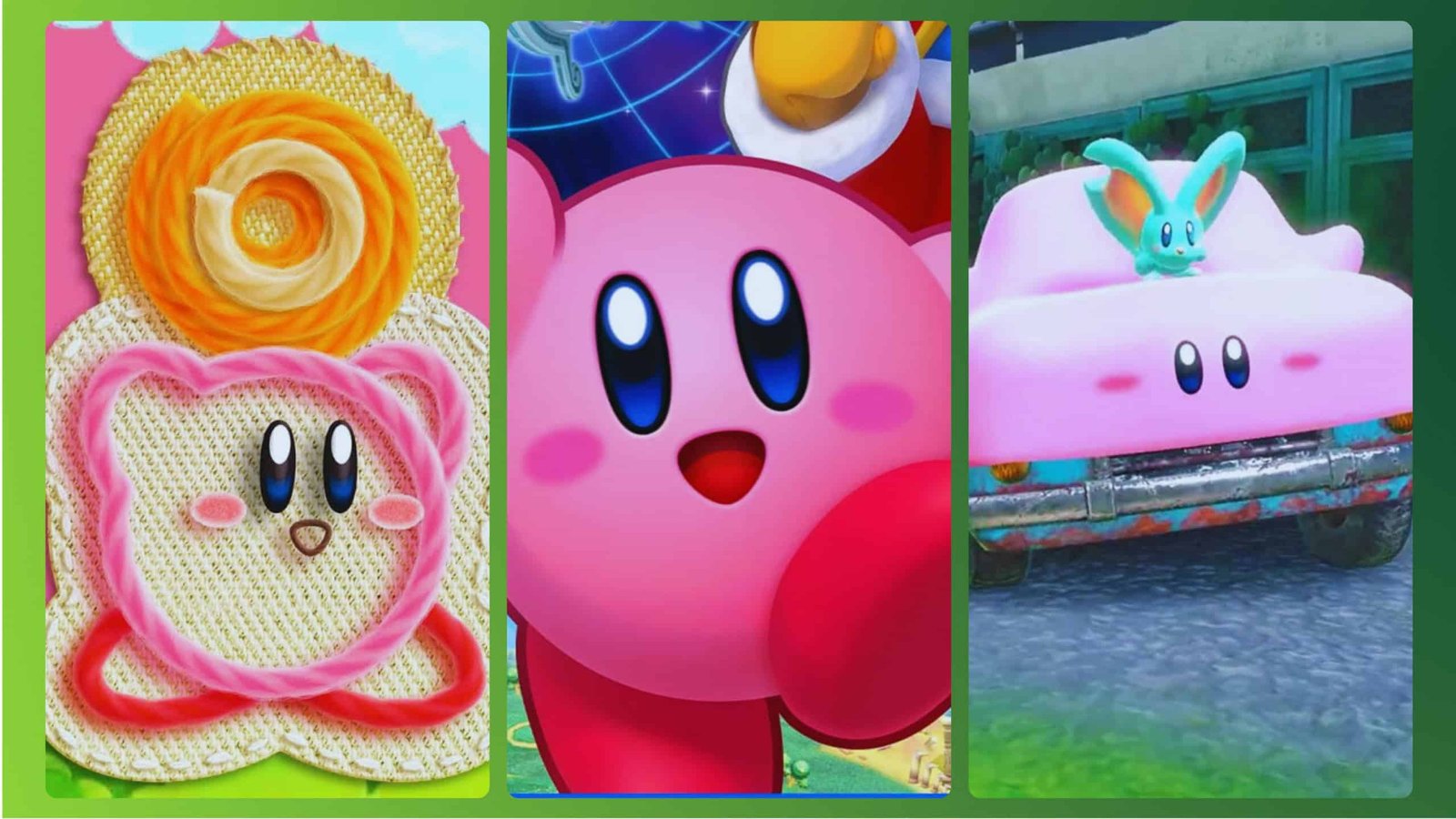
Kirby, developed by HAL Laboratory and published by Nintendo, has produced decades of platformers and spin-offs. Below is a ranked list of the top 10 Kirby games, ordered using critic aggregator scores and notable features for each title.
10. Kirby’s Return to Dream Land (2011)
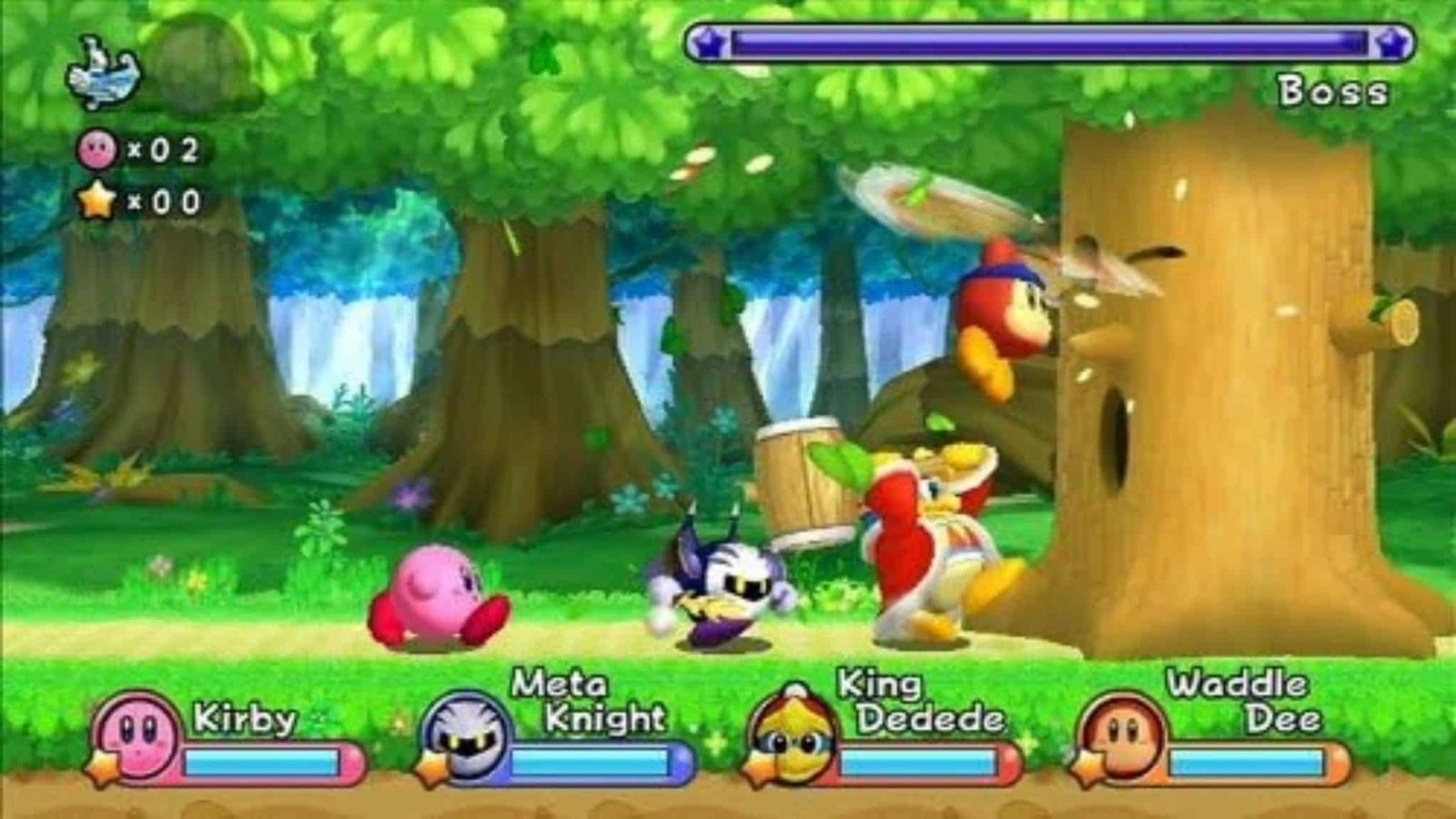
Platform: Nintendo Wii; later remade as Kirby’s Return to Dream Land Deluxe for Nintendo Switch.
This 2.5D side-scrolling platformer is a fan favorite. Kirby retains his classic float-and-inhale mechanics to swallow enemies and copy powers. The game supports local cooperative play for up to four players, including King Dedede, Meta Knight and Bandana Waddle Dee, with team combos and shared healing items.
The story follows Kirby and friends helping an alien repair its ship. Critics praised the level design and platforming. A Switch remake was released in 2023.
- Player scores: GameRankings 80%; Metacritic 77.
9. Kirby: Triple Deluxe (2014)
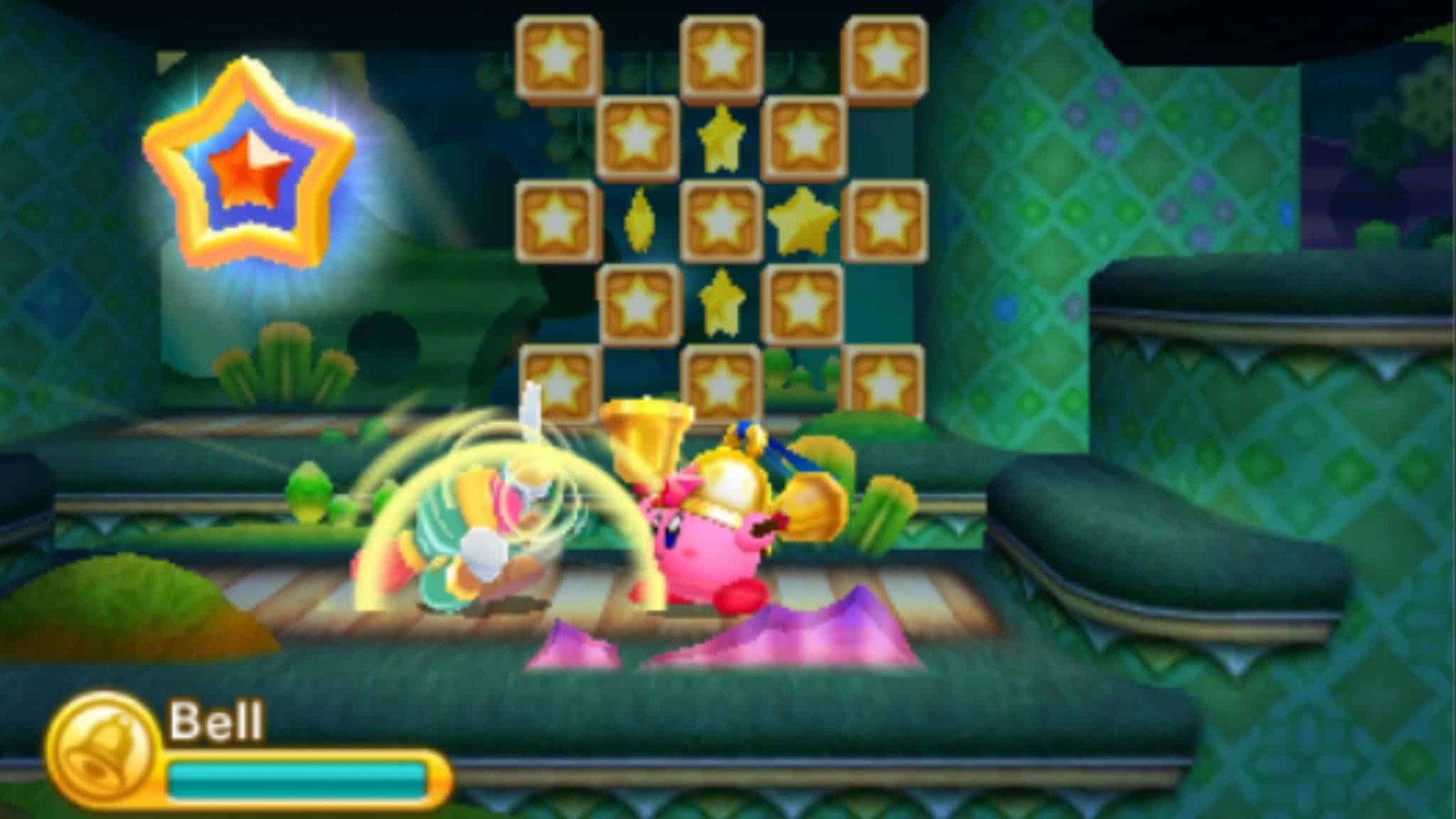
Platform: Nintendo 3DS.
Triple Deluxe combines a main campaign with two minigames. Reviewers highlighted its graphics, use of the 3DS’s stereoscopic 3D and level design. The main game keeps the 2.5D perspective while introducing Kirby’s Hypernova form to inhale giant objects; minigames include a Smash Bros.-style fighter and a rhythm game starring King Dedede.
- Player scores: GameRankings 80%; Metacritic 80.
8. Kirby’s Dream Land 2 (1995)
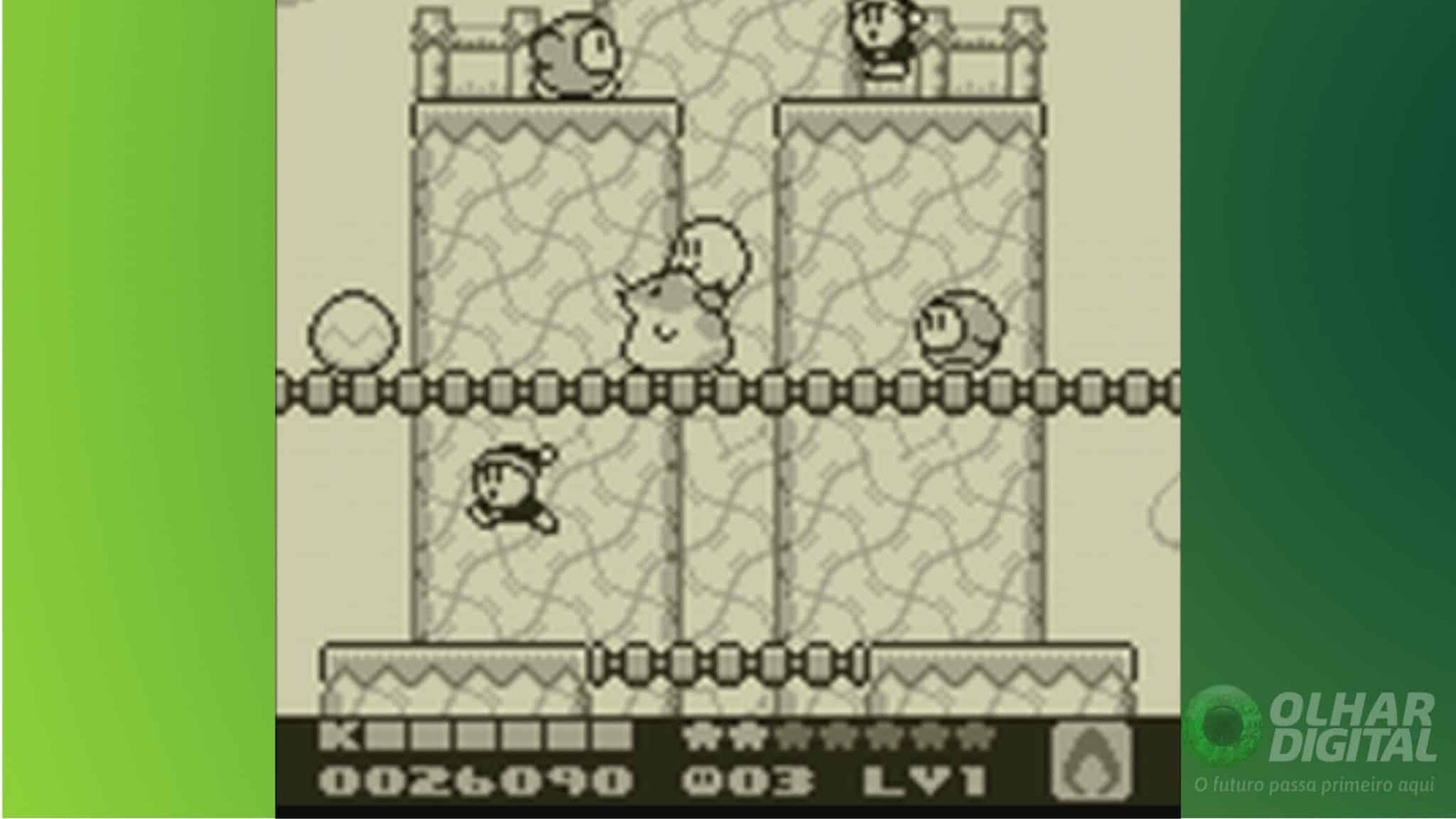
Platform: Game Boy.
Regarded as one of the best Game Boy titles, Dream Land 2 was praised for its visuals and ability mechanics. Kirby can float, inhale enemies and copy powers, and the game introduces three animal allies that alter Kirby’s abilities and help traverse specific terrain. The narrative centers on restoring the Rainbow Bridges.
- Player score: GameRankings 82%.
7. Kirby: Planet Robobot (2016)
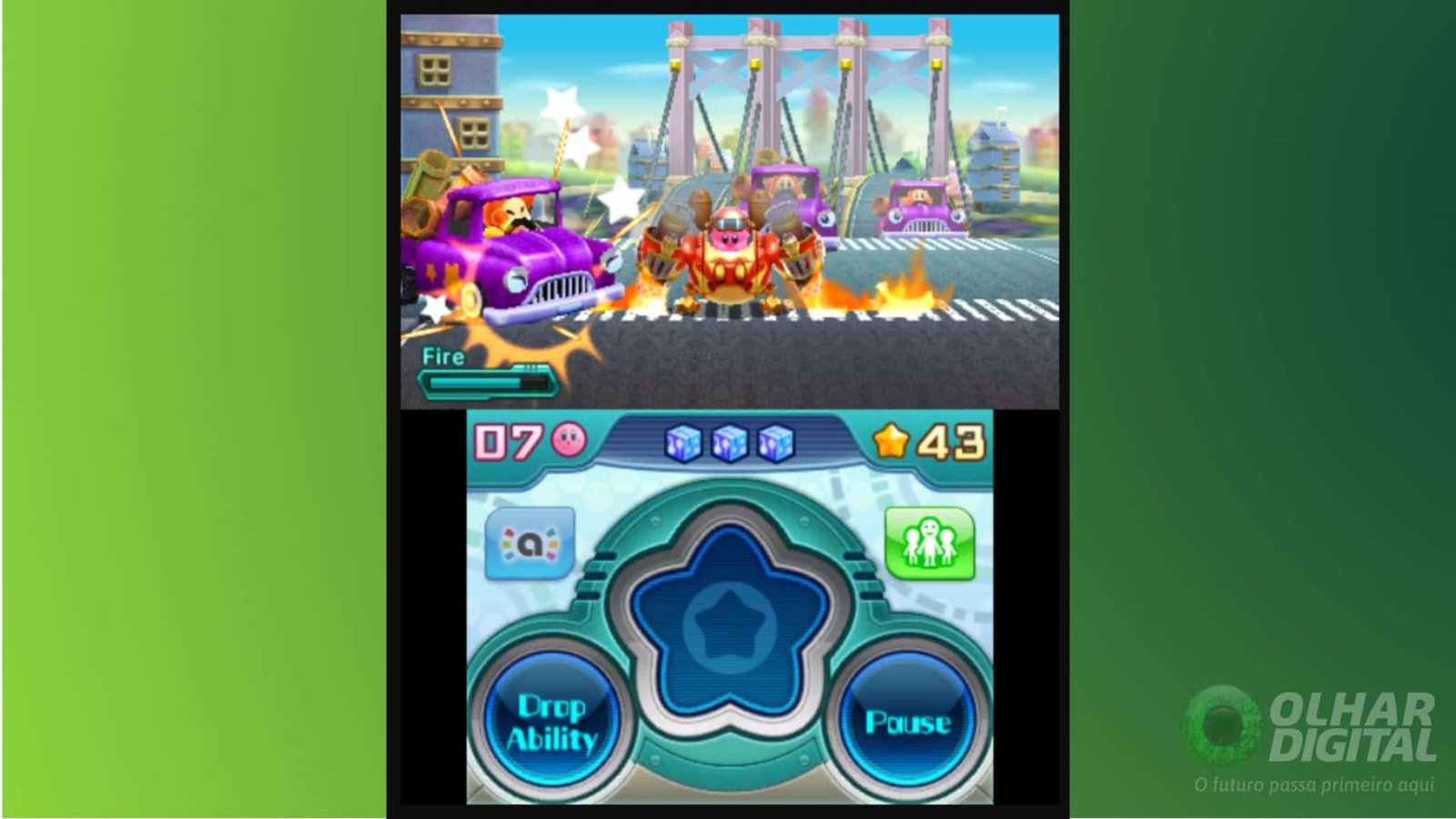
Platform: Nintendo 3DS.
Widely acclaimed, Planet Robobot earned praise for gameplay, visuals and its addition of a robotic suit. The game is primarily a 2D side-scroller with occasional background-plane 3D sections. The mech lets Kirby destroy obstacles, manipulate heavy objects and copy enemy abilities in mechanized form. The story has Kirby confronting an alien corporation that seeks to mechanize Popstar.
- Player scores: GameRankings 83%; Metacritic 81.
6. Kirby Mass Attack (2011)
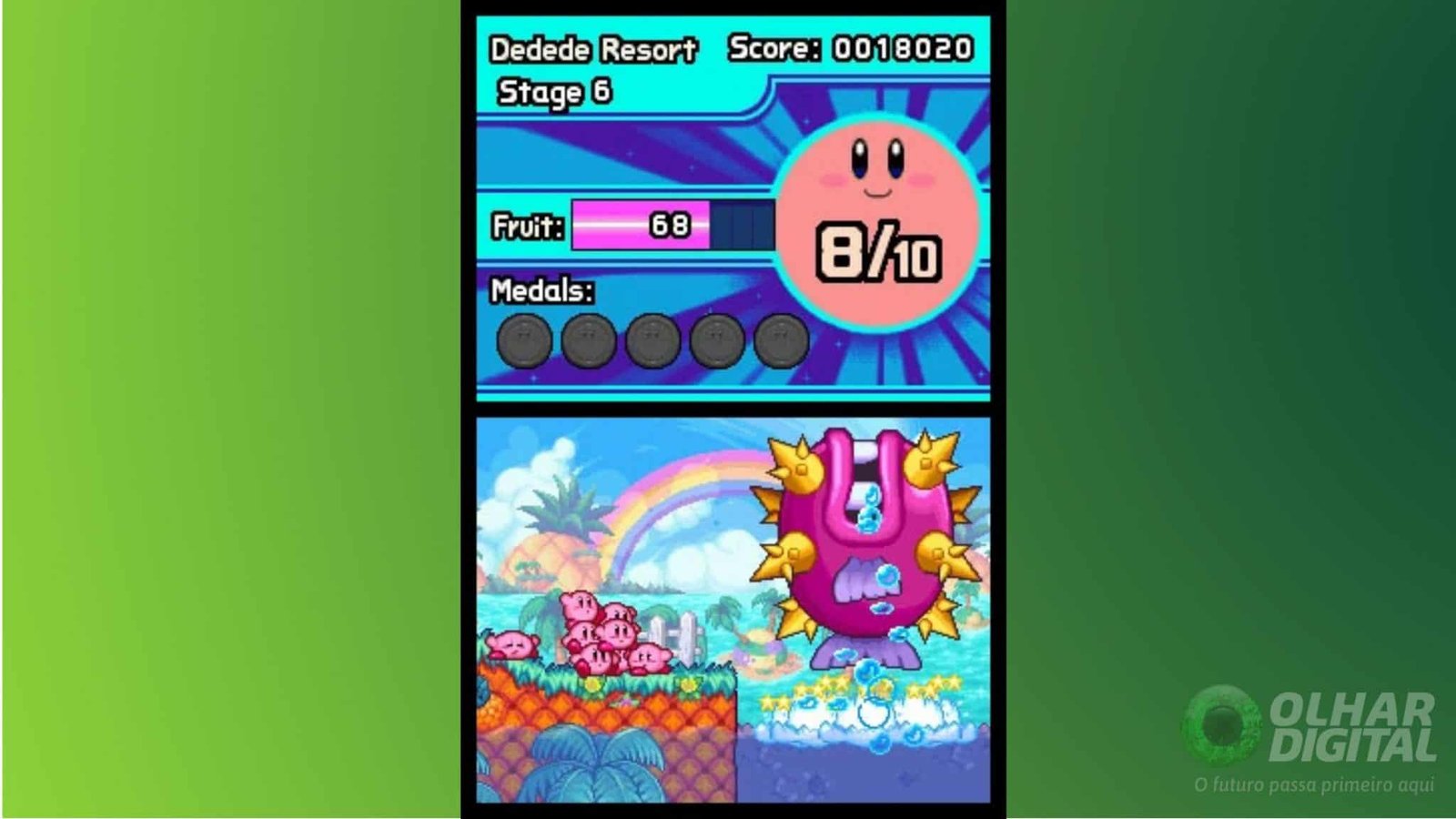
Platform: Nintendo DS.
Departing from series norms, Mass Attack received acclaim for inventive mechanics. The player controls up to ten Kirbys simultaneously using only the DS stylus: drawing and tapping to move, throw or command attacks. Collecting fruit increases the squad size, and many puzzles or stages require maintaining a minimum number of Kirbys to progress.
- Player scores: GameRankings 84%; Metacritic 83.
5. Kirby’s Adventure (1993)
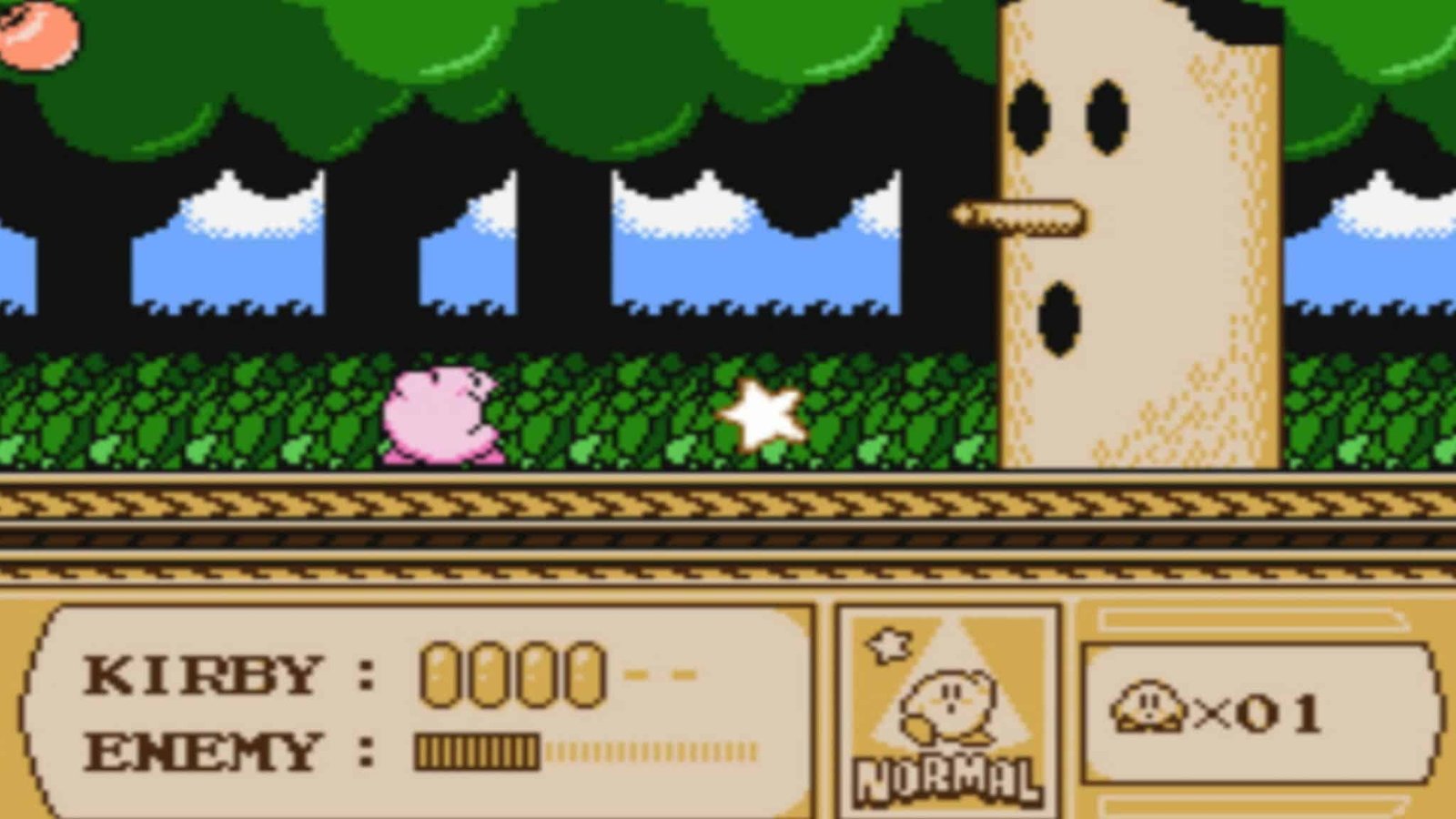
Platform: Nintendo Entertainment System (NES).
Kirby’s Adventure is notable as the first game to introduce the Copy Ability, allowing Kirby to swallow enemies and assume their powers. The side-scrolling platformer also features Kirby’s flight mechanic—inflate to float and exhale to damage foes. The plot follows Kirby’s quest through Dream Land to retrieve an artifact and face King Dedede. Critics praised its graphics, controls and innovative mechanics.
- Player score: GameRankings 84%.
4. Kirby and the Forgotten Land (2022)
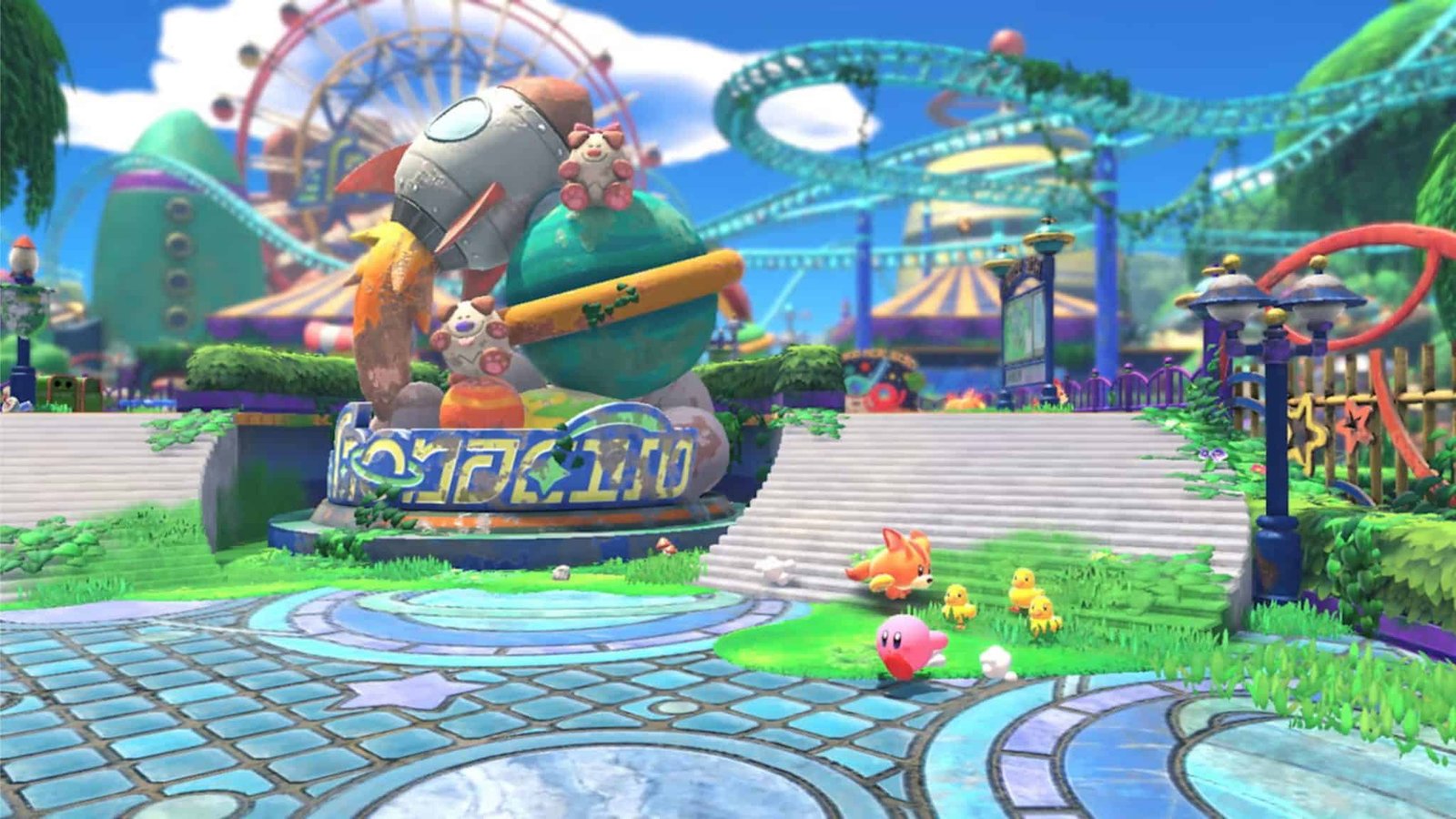
Platform: Nintendo Switch.
This entry is the franchise’s first fully 3D gameplay experience. Forgotten Land places Kirby in expansive 3D environments with movement and exploration reminiscent of games like Super Mario Odyssey; he still floats and copies enemy abilities by inhaling them. The story revolves around rescuing kidnapped Waddle Dees. The title achieved both commercial success and critical praise for its gameplay, visuals and level design.
- Player score: Metacritic 85.
3. Kirby Super Star (1996)
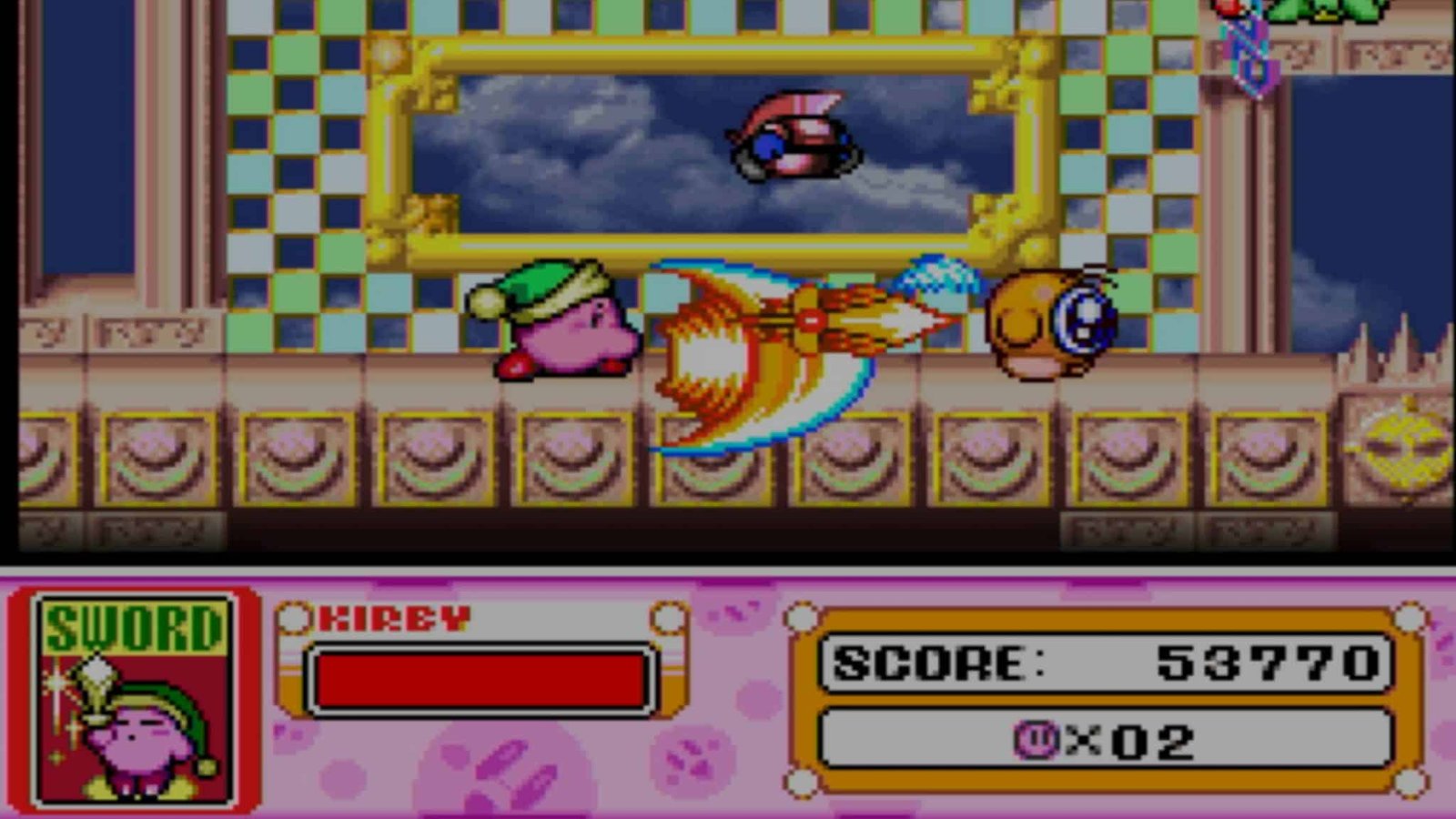
Platform: Super Nintendo.
Kirby Super Star bundles seven main episodes and two minigames, each offering different objectives. The side-scrolling game features Kirby’s ability to inhale and transform enemies into projectiles, temporary flight and power copying. It also introduced Helpers—assistants that can be AI-controlled or played by a second player. The title is a critical and commercial classic; an enhanced remake, Kirby Super Star Ultra, was later released for Nintendo DS.
- Player score: GameRankings 85%.
2. Kirby: Canvas Curse (2005)
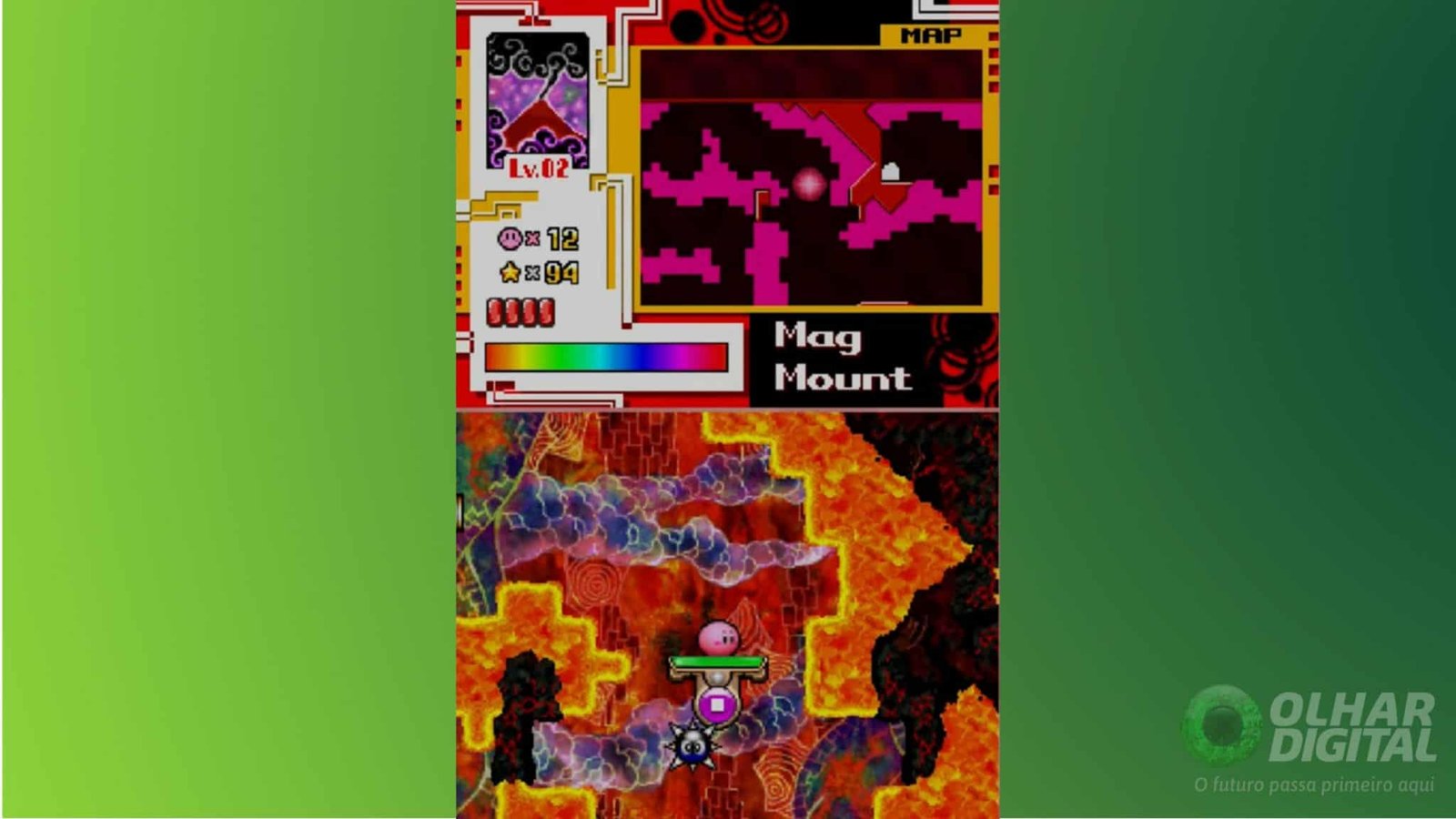
Platform: Nintendo DS.
Canvas Curse leverages the DS’s touchscreen for a distinctive control scheme. The player never directly controls Kirby; instead, they draw rainbow lines with the stylus to guide Kirby, who moves as a ball. Lines become bridges, ramps or shields; Kirby can be stunned and can use special abilities at times. The innovative mechanics earned broad critical acclaim.
- Player scores: GameRankings 87%; Metacritic 86.
1. Kirby’s Epic Yarn (2010)
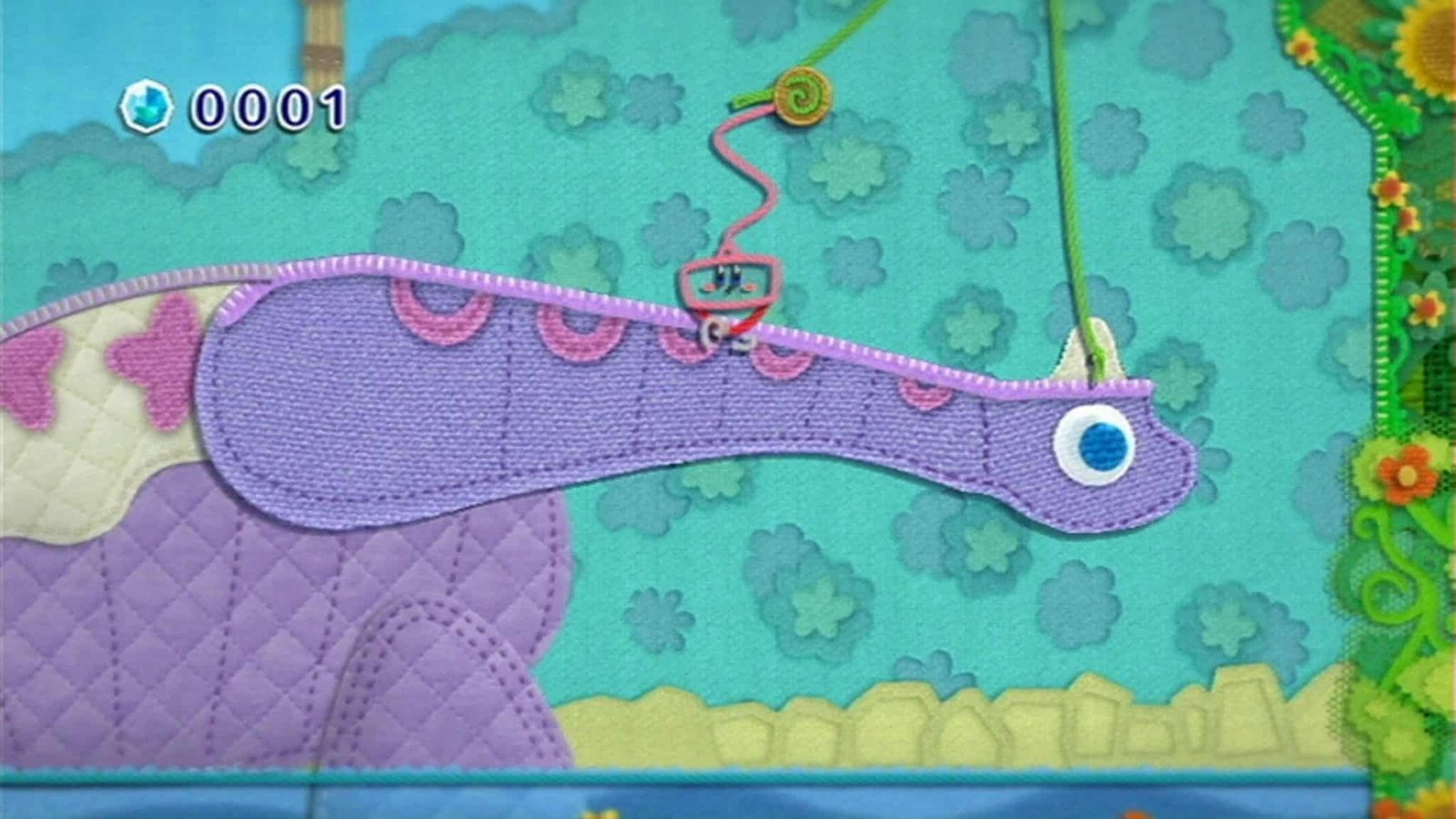
Platform: Nintendo Wii; later ported as Kirby’s Extra Epic Yarn for Nintendo 3DS.
Epic Yarn stands out for its handcrafted textile art style: characters and environments appear made of yarn and fabric. In this side-scrolling platformer, Kirby is transformed into a thread-like form and cannot fly or swallow enemies; instead, he reshapes himself into objects to interact with the cloth world, using zippers and fabric mechanics. The story follows Kirby helping a prince recover magical threads to restore a textile world and defeat the villain Yin Yarn. Critics praised its concept, visuals and gameplay.
- Player scores: GameRankings 88%; Metacritic 86.
Honorable Mention — Kirby: Nightmare in Dream Land (2002)
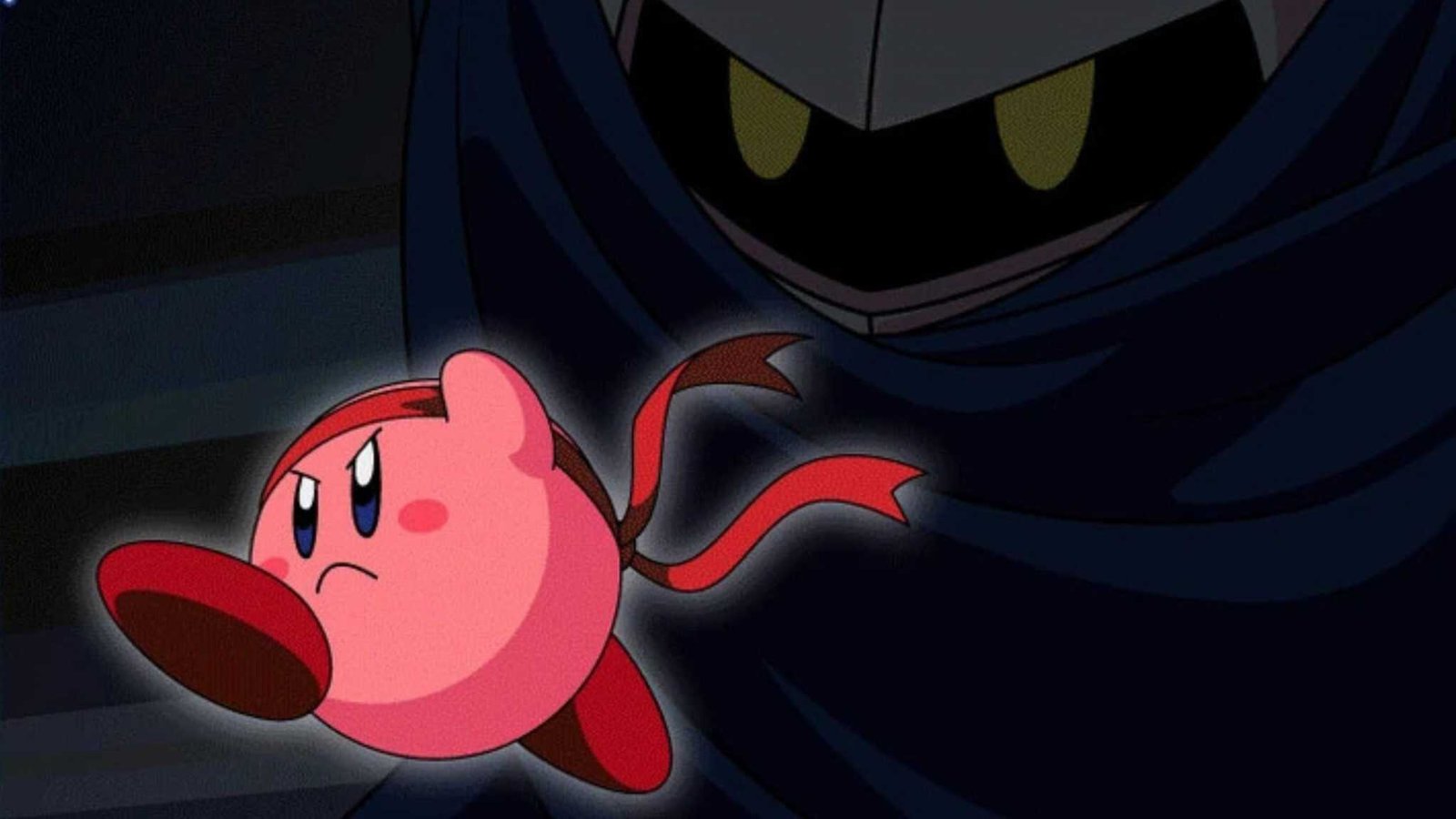
Platform: Game Boy Advance.
This is a remake of Kirby’s Adventure and is considered one of the franchise’s standout GBA titles. While maintaining core level design and gameplay, the remake refreshed the graphics, added new minigames, introduced local cooperative play for up to four players and included an unlockable mode with Meta Knight as a playable character.
- Player scores: GameRankings 80%; Metacritic 81.