
The 32-bit generation rewired gaming: consoles moved from 2D sprites to fully realized 3D worlds, and a string of landmark titles on PlayStation, Nintendo 64 and Sega Saturn set new standards for design, storytelling and player freedom. Below is a countdown of ten games from that era that left lasting influence on the medium.
10. Tony Hawk’s Pro Skater 2 (PlayStation)
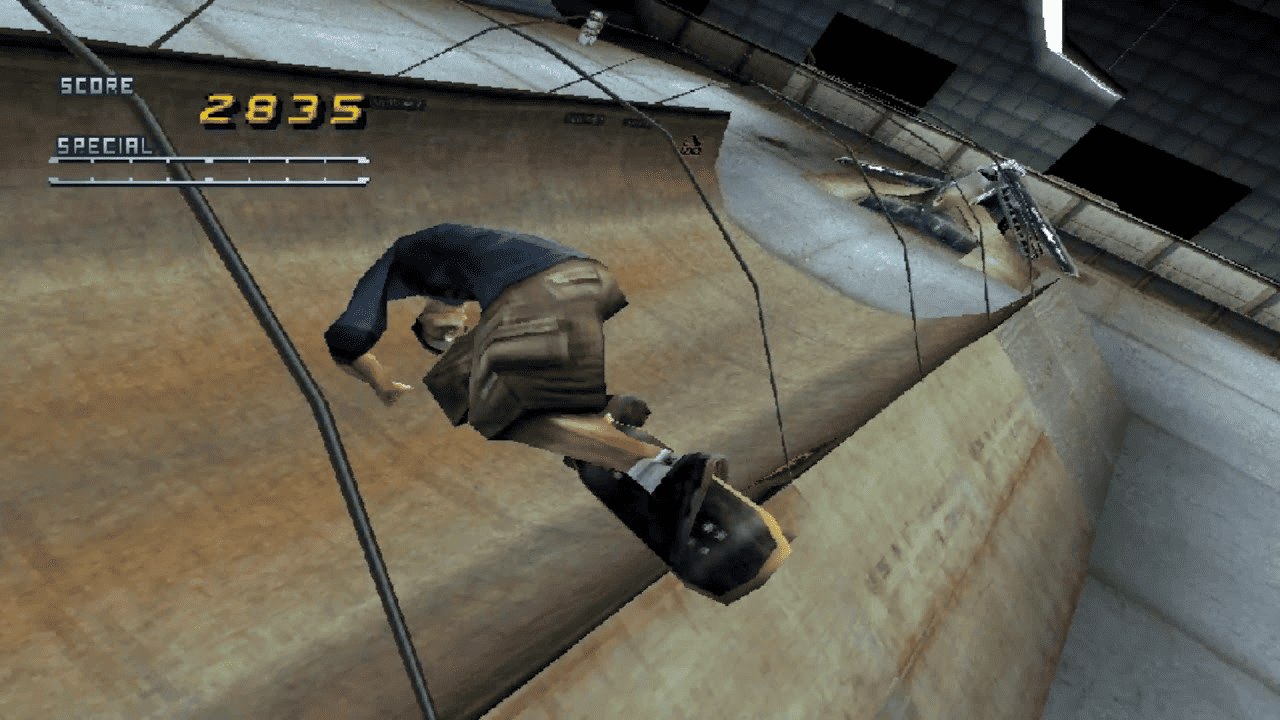
Tony Hawk’s Pro Skater 2 transformed skateboarding in games with tight controls, an addictive combo system and a soundtrack that became emblematic of the period. It also introduced customizable skaters and level editors, extending replay value and helping cement its status as one of the era’s defining titles.
9. Silent Hill (PlayStation)

Silent Hill shifted horror toward psychological dread. Rather than relying solely on jump scares, it built tension through oppressive atmosphere, unsettling audio and themes that probed deeper fears. The heavy fog—originally a technical workaround—became an iconic aesthetic that influenced many later horror games.
8. GoldenEye 007 (Nintendo 64)

GoldenEye 007 demonstrated that first-person shooters could thrive on consoles. Based on the James Bond film, it paired a memorable single-player campaign with a local multiplayer mode that became legendary at social gatherings and parties throughout the 1990s. Its influence on console FPS design was substantial.
7. Castlevania: Symphony of the Night (PlayStation)

Symphony of the Night rethought Castlevania with a connected world, RPG mechanics, multiple endings and gothic presentation. Its fusion of exploration and character progression helped define the “Metroidvania” subgenre and remains a reference point for designers and fans.
6. Resident Evil 2 (PlayStation)
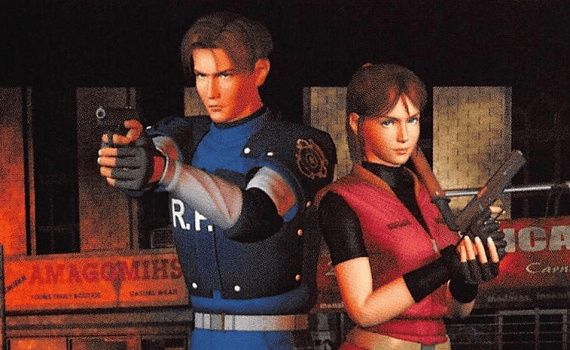
Resident Evil 2 expanded the survival-horror formula with two playable protagonists, branching story paths and relentless atmosphere. The title heightened narrative complexity and tension, securing its place as one of Capcom’s most influential works and a major genre touchstone.
5. Xenogears (PlayStation)

Xenogears stands out for its ambitious, layered narrative that interweaves mecha combat with themes of philosophy, psychoanalysis and religion. Its mix of turn-based battles and giant-robot encounters, along with an extensive storyline, earned it a devoted following and recognition as a bold RPG of the era.
4. Metal Gear Solid (PlayStation)

Metal Gear Solid raised the bar for cinematic storytelling in games. Its espionage plot, complex characters and expansive cutscenes changed expectations for narrative scope and emotional weight in interactive entertainment, demonstrating that games could handle political and psychological themes without sacrificing gameplay.
3. Super Mario 64 (Nintendo 64)

Super Mario 64 was a watershed moment for platformers, introducing unprecedented freedom of movement, inventive level design and approachable 3D physics. Its approach to translating platforming into three dimensions is studied and emulated to this day, making it a cornerstone of game design.
2. The Legend of Zelda: Ocarina of Time (Nintendo 64)

Ocarina of Time redefined action-adventure games with a living Hyrule, innovative mechanics such as Z-targeting and time-travel elements. Its dungeons, characters and soundtrack became instantly iconic, and the game set a template for 3D action-RPGs that endured for decades.
1. Final Fantasy VII (PlayStation)

Final Fantasy VII topped this list for its cultural and narrative impact. With an expansive, emotionally charged story, memorable characters, a celebrated soundtrack and cinematic moments, the Square RPG broadened the reach of Japanese role-playing games in the West and reshaped expectations around storytelling in the medium.
Legacy of the 32-Bit Generation
Narrowing such a transformative era to ten titles is inevitably reductive, but these games exemplify the creativity and technical ambition of the 32-bit generation. From platforming and RPGs to horror and shooters, developers used new hardware to experiment with mechanics, narrative and presentation—often turning technical constraints into defining creative features. For players and creators alike, the era remains a foundational chapter in gaming history.