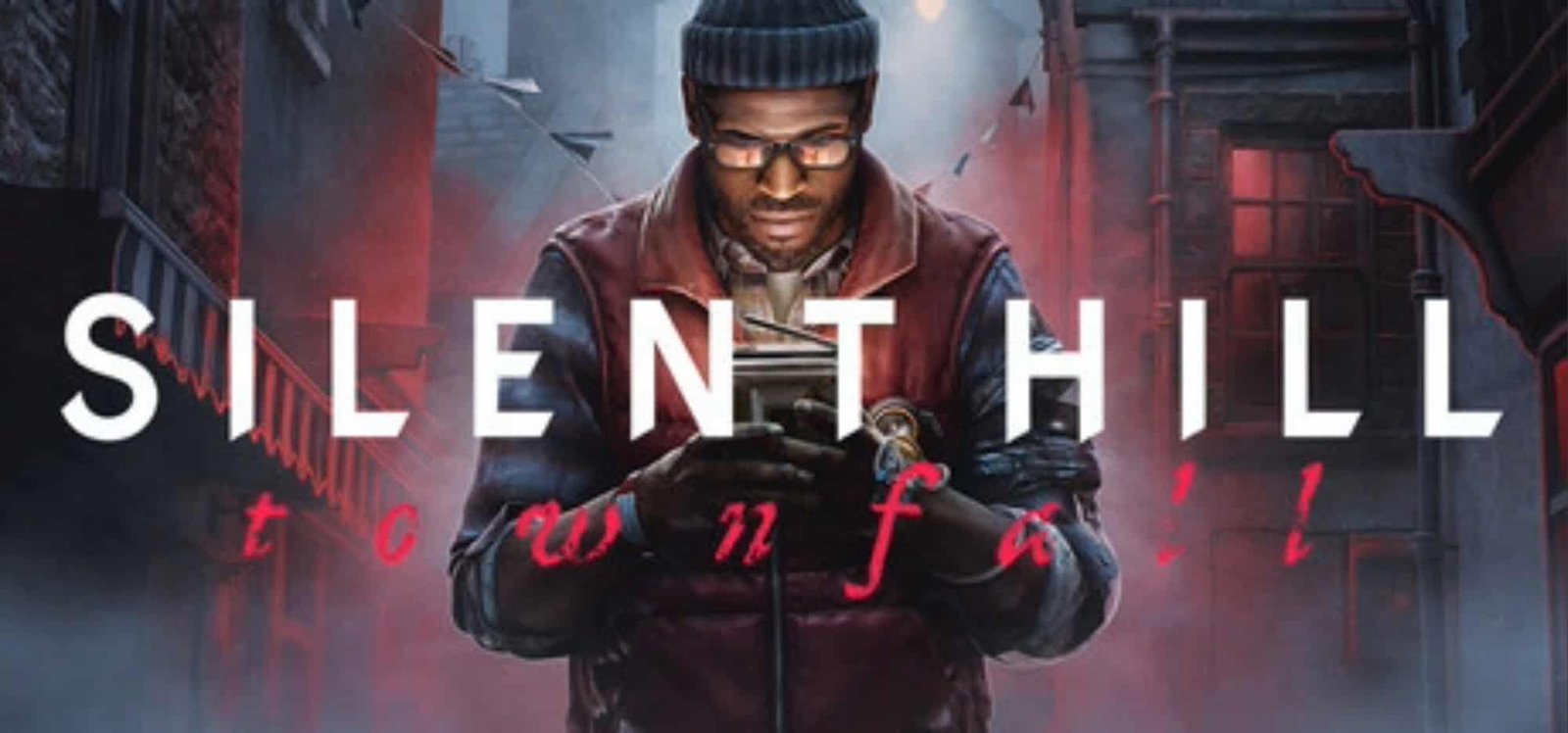
Review based on approximately 10 hours played on the PC version via Steam.
Silent Hill: Townfall centers on investigation and atmosphere: over roughly 10 hours the game steadily pushes players to answer one question — what happened to this town? The title favors slow-building psychological horror, environmental puzzles and exploration rather than constant jump scares.
Investigation-driven exploration

Exploration in Townfall plays like an investigation. Walking through streets, examining clues and solving puzzles gradually reveals context and opens new areas. Progression is tied to discovery: solving a puzzle often unlocks the next region or provides narrative fragments that raise new questions.
That deliberate pacing is a core strength. Instead of relying on frequent, cheap frights, the game sustains tension by making players want to keep moving forward to uncover answers — even when curiosity feels risky.
However, the city’s promise of deeper exploration is occasionally limited. Some interiors and buildings feel off-limits or funnel the player into narrowly defined spaces, which curbs the urge to fully investigate every corner of a well-realized environment.
Puzzles that reinforce the mystery

Puzzles are fundamental to Townfall’s design and among its best features. They demand attention to detail and real reasoning; many feel integrated into the investigation rather than tacked on as obstacles. When a puzzle clicks, it provides a satisfying sense of progress and insight.
The CRTV signal-finding device stands out as a signature mechanic. It ties the hunt for information directly into gameplay and gives the investigation a tangible, interactive dimension.
Still, variety is an issue over time. Some puzzle types repeat enough that after several hours the structures behind them become familiar, reducing their freshness. This repetition doesn’t break the system’s quality, but it does temper how consistently engaging puzzles remain across the full play session.
Stealth and combat choices

Monsters populate Townfall and melee combat is available, but resources are scarce and direct confrontation rarely feels optimal. During the review playthrough, stealth was the preferred approach in most encounters: avoiding creatures better preserves the game’s tone of vulnerability and upkeep of suspense.
The reliance on stealth grows pronounced as the game continues. While stealth reinforces the intended sense of fragility, its frequency becomes weighty and the game could benefit from more alternatives to break that repetition.
Audio design plays a key role in these moments. Hearing enemy footsteps and CRTV cues turns sound into both a narrative device and a practical tool for sneaking past threats.
Psychological horror over jump scares
Townfall emphasizes psychological dread rather than constant jump scares. There are visible threats and creatures, but the core unease comes from atmosphere, narrative hints and the pervasive sense that something is deeply wrong.
The game’s restraint is an asset: it consistently builds apprehension through pacing and environmental storytelling, making each revealed answer feel like it both illuminates and deepens the mystery.
Story and protagonist
The narrative is Townfall’s backbone. Information is doled out gradually, and each new clue tends to renew curiosity about the town’s past. The writing sustains momentum across the play session, keeping the player invested in discovering outcomes.
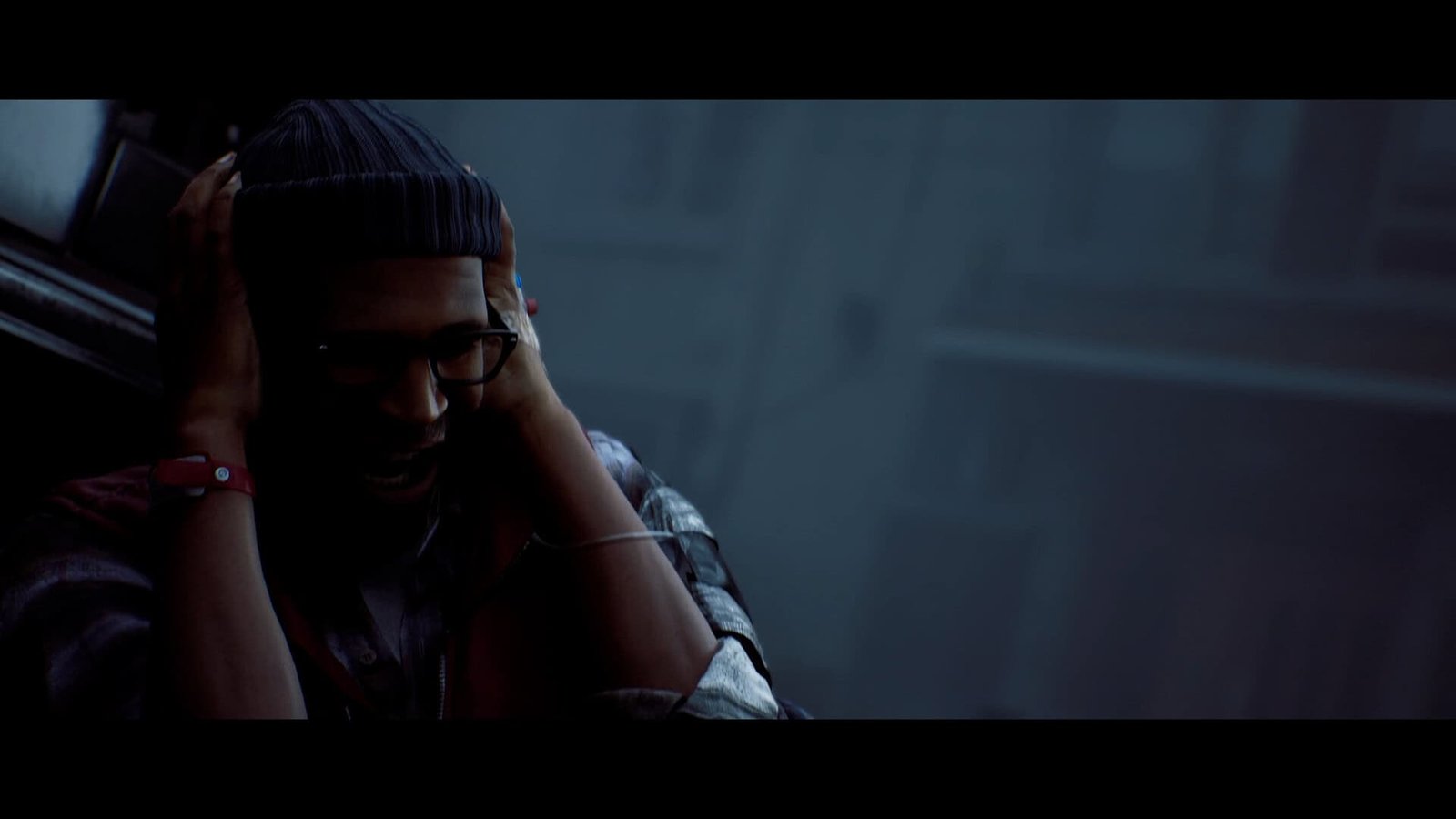
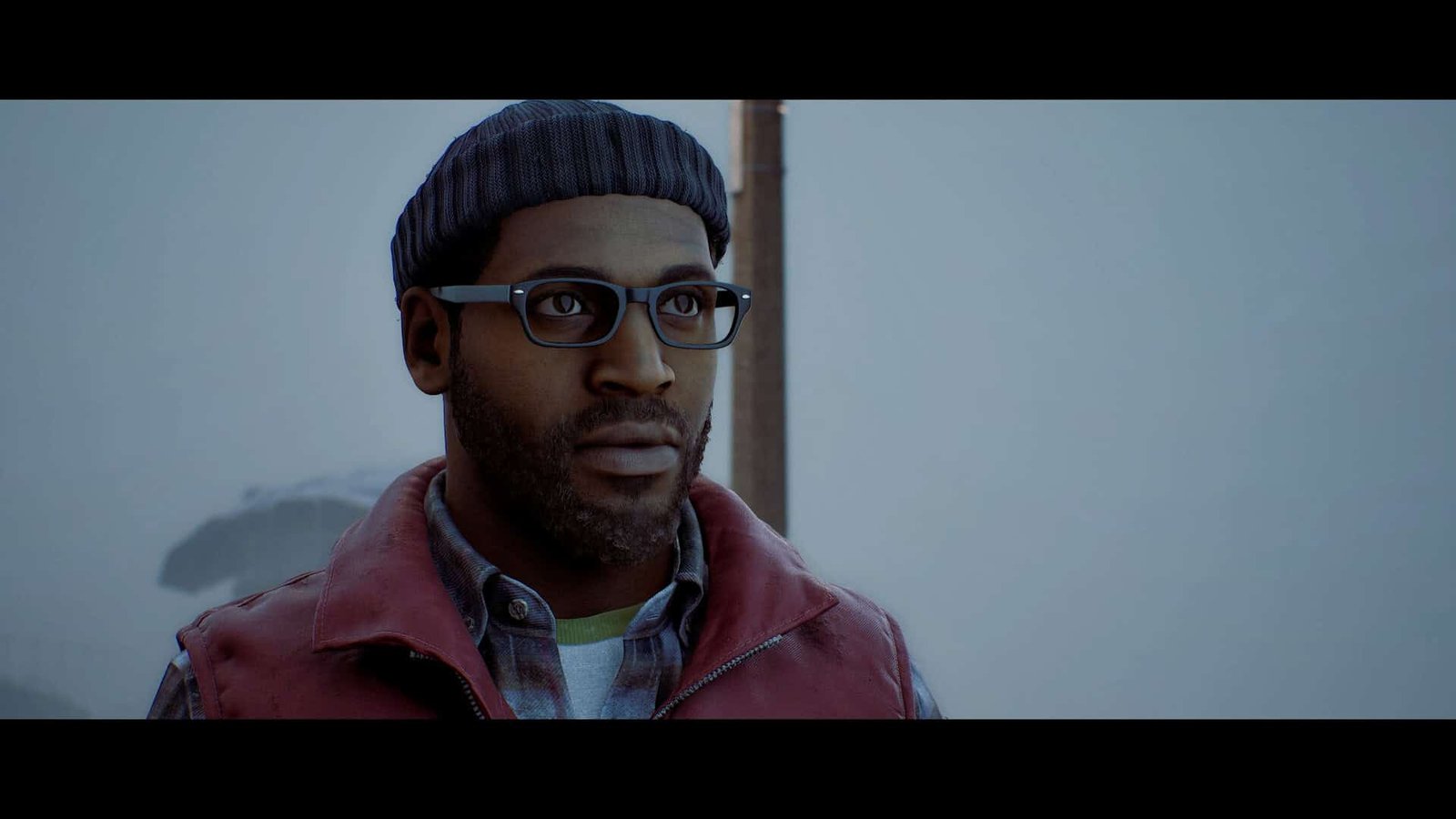
The protagonist’s motivations and choices read as coherent within the scenario, which helps maintain engagement. The main shortcoming lies in the visual presentation: facial expressions lack variety and naturalism. Given how much the game relies on atmosphere and story to convey emotion, the limited facial animation occasionally undermines scenes that ask for stronger performance.
Visuals, audio and performance
Visually, Townfall succeeds at creating an unsettling environment. Lighting, set design and audio combine to convert even quieter moments into tense beats where the player expects something to happen. The overall art direction is effective even if character realism could be improved.
Performance is a notable trade-off. Townfall demands significant PC resources, and players on modest hardware should be aware that the visual fidelity carries a substantial performance cost.
Accessible to newcomers and fans
Familiarity with previous Silent Hill titles is not required. Townfall contains references and Easter eggs that reward longtime fans, but its narrative stands on its own: newcomers can follow and enjoy the story without prior franchise knowledge. That makes the game a potential entry point for players curious about Silent Hill’s atmosphere and themes.
Verdict: who should play Townfall?
After approximately 10 hours, Silent Hill: Townfall delivers a solid psychological horror experience through the interplay of narrative, exploration, puzzles, audio and lighting. The city’s curiosity-driven structure and the CRTV mechanic are particular highlights.
Shortcomings include some repetitive puzzle patterns, a heavy reliance on stealth sequences, limited interior exploration in places, stiff facial animations for the protagonist and considerable performance demands on PC. None of these flaws completely derail the experience, but they are factors potential players should consider.
Players who appreciate slow-building psychological horror, environmental puzzles and investigative pacing will find a lot to like. Fans of the franchise will spot familiar touches, while newcomers can approach Townfall without prior Silent Hill knowledge.
Where to buy and considerations
- Platforms: PC (Steam and Epic Games Store) and PlayStation 5
- Portuguese (PT-BR): Yes
- Multiplayer: No
- Genre: Adventure / Action / Horror
- Base price: R$284,90 on Steam and PlayStation Store
Technical details
- Title: SILENT HILL: Townfall
- Rating: 18+
- Developer: Screen Burn
- Publishers: KONAMI, Annapurna Interactive
- Release date: September 24, 2026
System requirements
MÍNIMOS:
- Requires a 64-bit processor and operating system
- OS: Windows 11 x64
- Processor: AMD Ryzen 5 3600 / Intel i7-8700K
- Memory: 16 GB RAM
- Graphics: NVIDIA GeForce RTX 2060 Super / AMD Radeon RX 6600
- DirectX: Version 12
- Storage: 75 GB available space
- Sound Card: Windows Compatible Audio Device
- Other notes: Playing on minimum requirements should enable play on Low settings at 1080p 30fps.