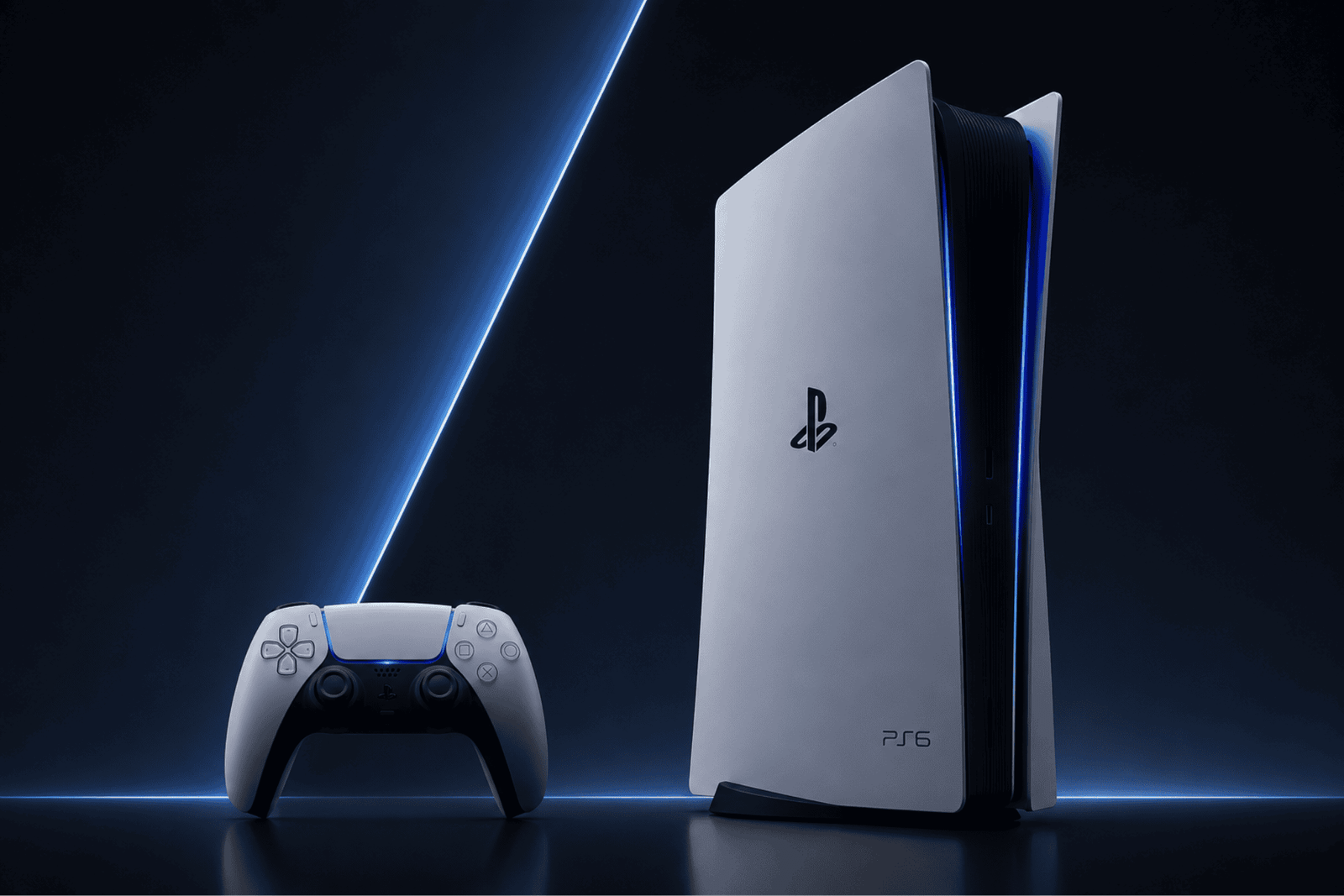
Console prices rose in 2026 instead of falling: Microsoft and Sony increased retail prices for current-generation hardware even six years after launch, driven in part by a global surge in demand for memory and storage tied to artificial intelligence infrastructure.
Price hikes for Xbox and PlayStation
Microsoft raised prices for the Xbox Series X|S in the United States. The Series S with 512 GB—originally launched in 2020 for US$299—now sells for US$499.99. The Series X with a disc drive increased from its launch price of US$499 to US$799.99.
Sony has also raised prices on the PlayStation 5 during the same generation, meaning that buying a current console in 2026 can cost more than at launch, reversing the usual pattern of cheaper hardware over time.
How AI demand is affecting component costs
Part of the reason for the increases is the rapid expansion of artificial intelligence services. Running AI at scale requires massive data centers equipped with accelerators, large quantities of memory and extensive storage systems.
That demand puts pressure on the same supply chains that produce components for PCs, smartphones and game consoles. Microsoft said, when explaining its new prices, that costs for storage and memory have risen more than 2.5 times, and the company expects those costs could double again by the second half of 2027.
That does not mean consumer AI services are literally taking memory from consoles; rather, manufacturers face a huge market for AI infrastructure where companies are prepared to spend billions, increasing competition for parts and driving up prices across categories.
Implications for the next-generation consoles
The trend raises a question about the next PlayStation and Xbox. If component prices remain elevated, Sony and Microsoft will need to balance a meaningful performance leap with substantially higher production costs.
Data centers serving AI workloads have become major customers for components, which could force console makers to compete for the same supplies. The 2026 price increases may therefore be more than an anomaly for this generation—they suggest AI-related demand is already influencing consumer hardware pricing.
There is an irony to the situation: using AI on a PC to research which console to buy may indirectly contribute to higher prices, since the infrastructure that powers those AI services helps drive up the cost of the memory and storage used in consoles.