These seven characters have transcended their original games to become lasting symbols of video game culture, recognized by players and non-players alike for their design, stories, and cultural impact.
7. Kratos — From vengeance to unexpected fatherhood
Kratos debuted as the ruthless Spartan warrior in God of War (2005) and appears across eight main games as well as comics and books. Initially defined by extreme violence and morally ambiguous actions, his character gained emotional depth over time.
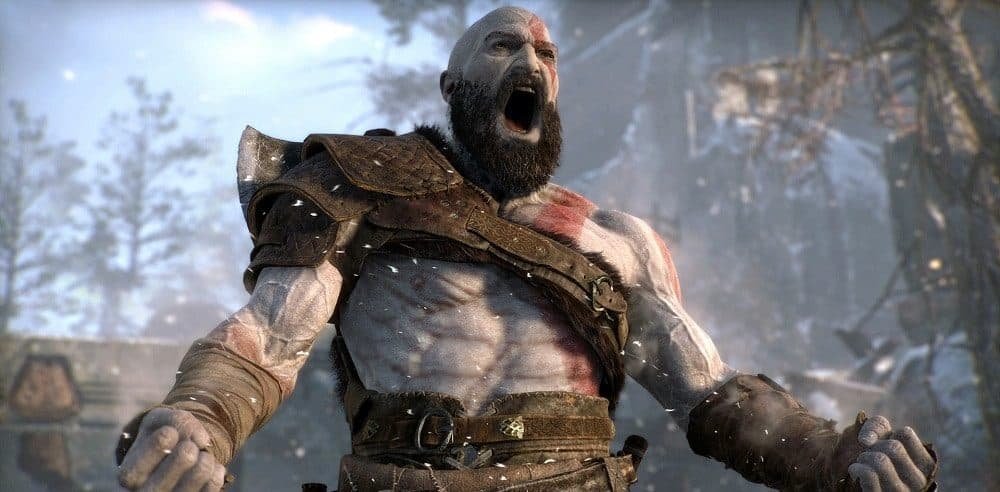
The franchise’s 2018 revival reframed Kratos without erasing his anger: he evolved into a more measured, wiser figure striving to be a protective father to his son. That transformation broadened the series’ thematic reach, producing some of the industry’s most emotionally resonant storytelling.
6. Master Chief — The face of a sci‑fi franchise
John-117, better known as Master Chief, first appeared in Halo: Combat Evolved (2001) and quickly became a defining protagonist for first-person shooters. Trained from childhood as a super-soldier, he leads humanity’s fight against alien threats.

Master Chief’s green armor and gold visor became synonymous with the Xbox brand. The original trilogy received praise for its gameplay and cinematic narrative, expanding Halo into novels, comics, animations and a TV adaptation.
5. Link — Silent hero of Hyrule
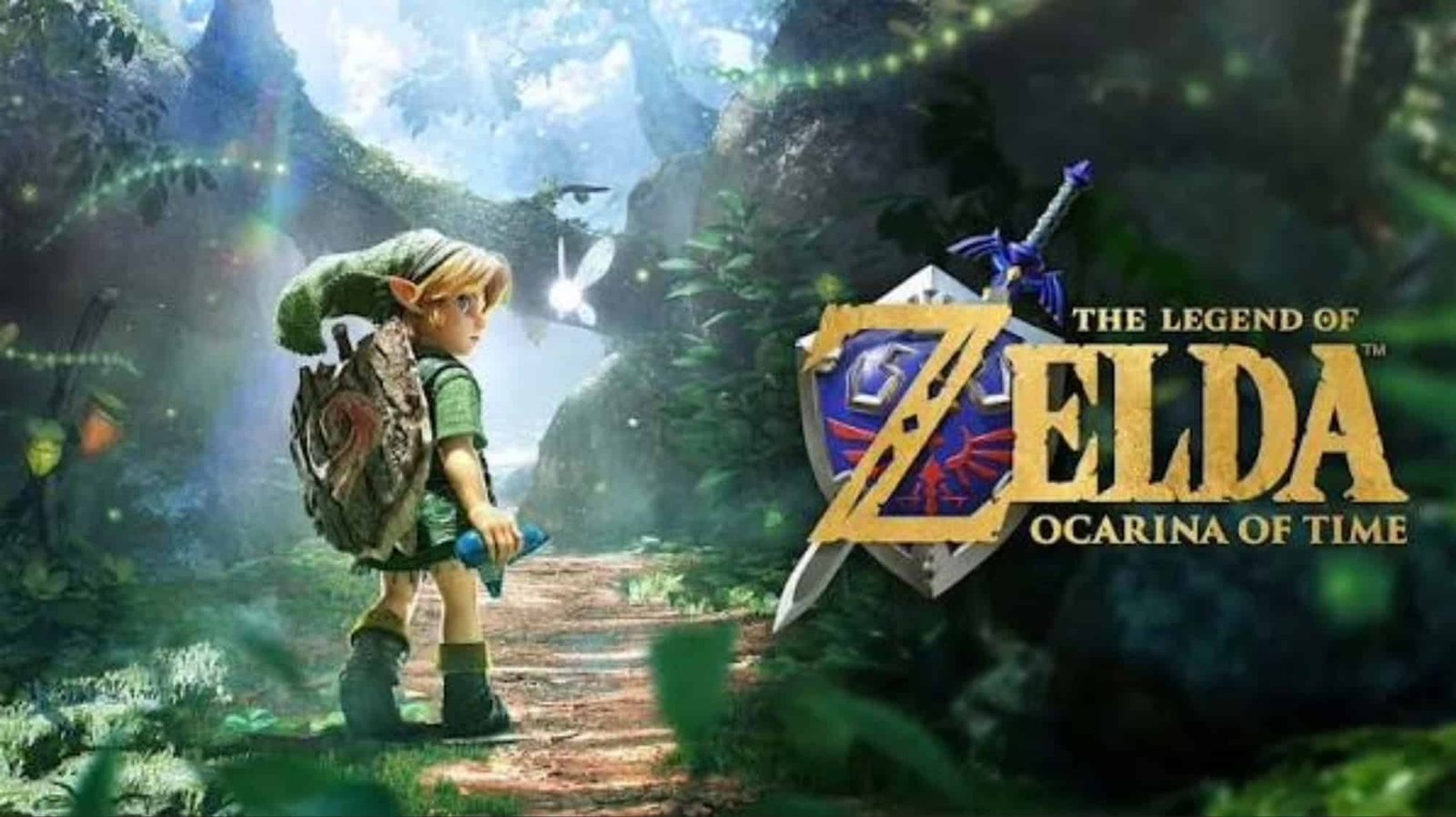
Link, Nintendo’s silent protagonist from The Legend of Zelda series, has protected Hyrule since his first appearance in 1986, repeatedly opposing the villain Ganon. Created by Shigeru Miyamoto, Link symbolizes courage and loyalty and is typically recognized by his green attire.
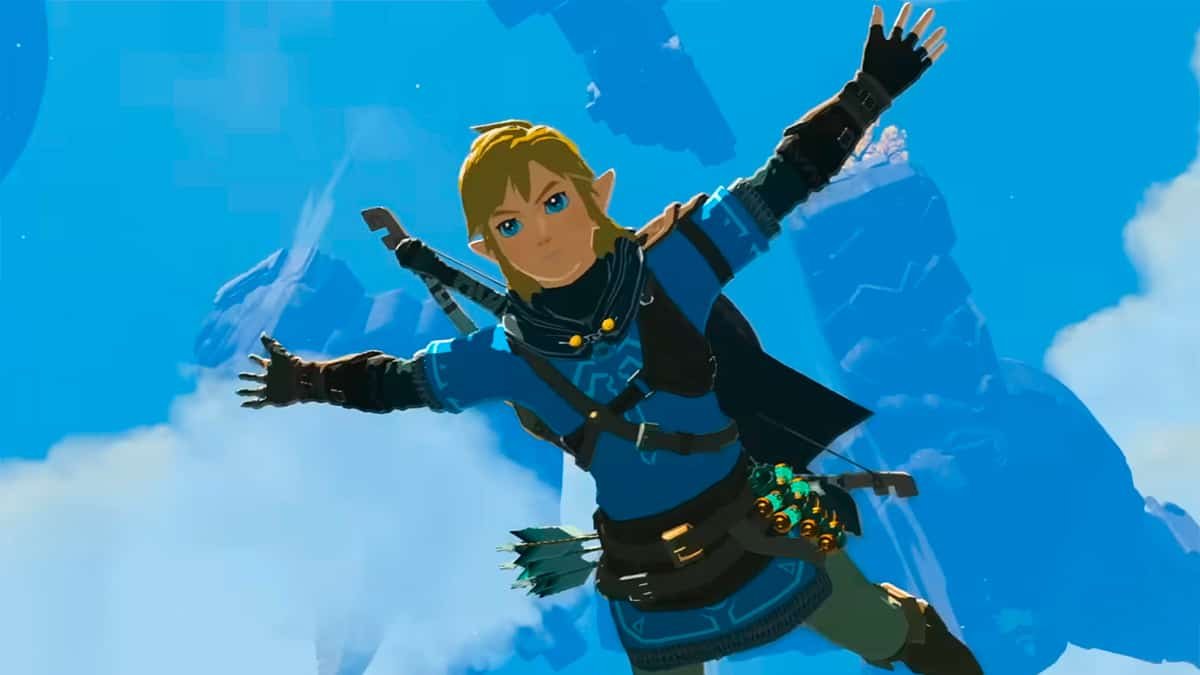
Though he rarely speaks, Link demonstrates determination through puzzle‑solving, exploration and combat. Across games he has wielded boomerangs, bows, shields, musical instruments and at times transformed into a wolf, yet his bond with Princess Zelda and his recurring mission to save the world remain constant.
4. Ellie Williams — A complex survivor
Ellie was first introduced in The Last of Us: American Dreams comics and became widely known in the 2013 game. Her immunity in a post‑apocalyptic world makes her central to the franchise’s plot, but her personality and growth are what resonated most with audiences.

Portrayed in the game by Ashley Johnson, Ellie’s arc—shaped by loss, resilience and maturation—continues through downloadable content, The Last of Us Part II and the 2023 HBO adaptation. She has also been embraced by the LGBTQIA+ community and is noted for emotional depth and complexity.
3. Lara Croft — Adventure and controversy
Lara Croft emerged as Tomb Raider’s protagonist in 1996 and quickly became one of gaming’s most recognizable figures. Her combination of adventurous spirit, intelligence and trademark look made her a cultural touchstone during the transition to 3D graphics.
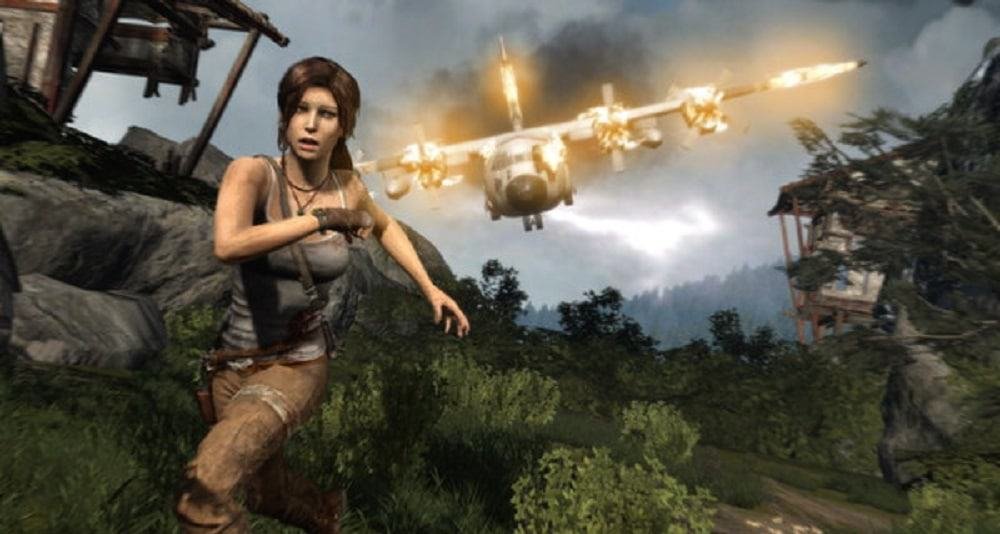
In the 1990s Lara embodied conflicting perceptions: both an empowered female hero and a subject of criticism for exaggerated visual design. The 2010 reboot provided a more emotionally grounded origin story, deepening her characterization. Lara has also crossed into film, portrayed by Angelina Jolie and Alicia Vikander.
2. Sonic — Speed, attitude and cross‑media presence
Created in 1991 as Sega’s answer to rival mascots, Sonic the Hedgehog brought speed and a rebellious edge to platformers. The blue hedgehog’s bold design and energetic gameplay appealed to slightly older audiences than Nintendo’s approach.

Sonic’s concept evolved from several early ideas, and the character has appeared in over 100 games across multiple platforms. Beyond games, Sonic has featured in animated series and a live‑action/CGI film—described in the source as controversial—further cementing his cross‑generational appeal.
1. Mario — The enduring mascot
Mario first appeared as “Jumpman” in Donkey Kong (1981) and later became Nintendo’s defining character. Created by Shigeru Miyamoto, Mario was conceived as an alternative to existing mascots and has since headlined more than 200 games.
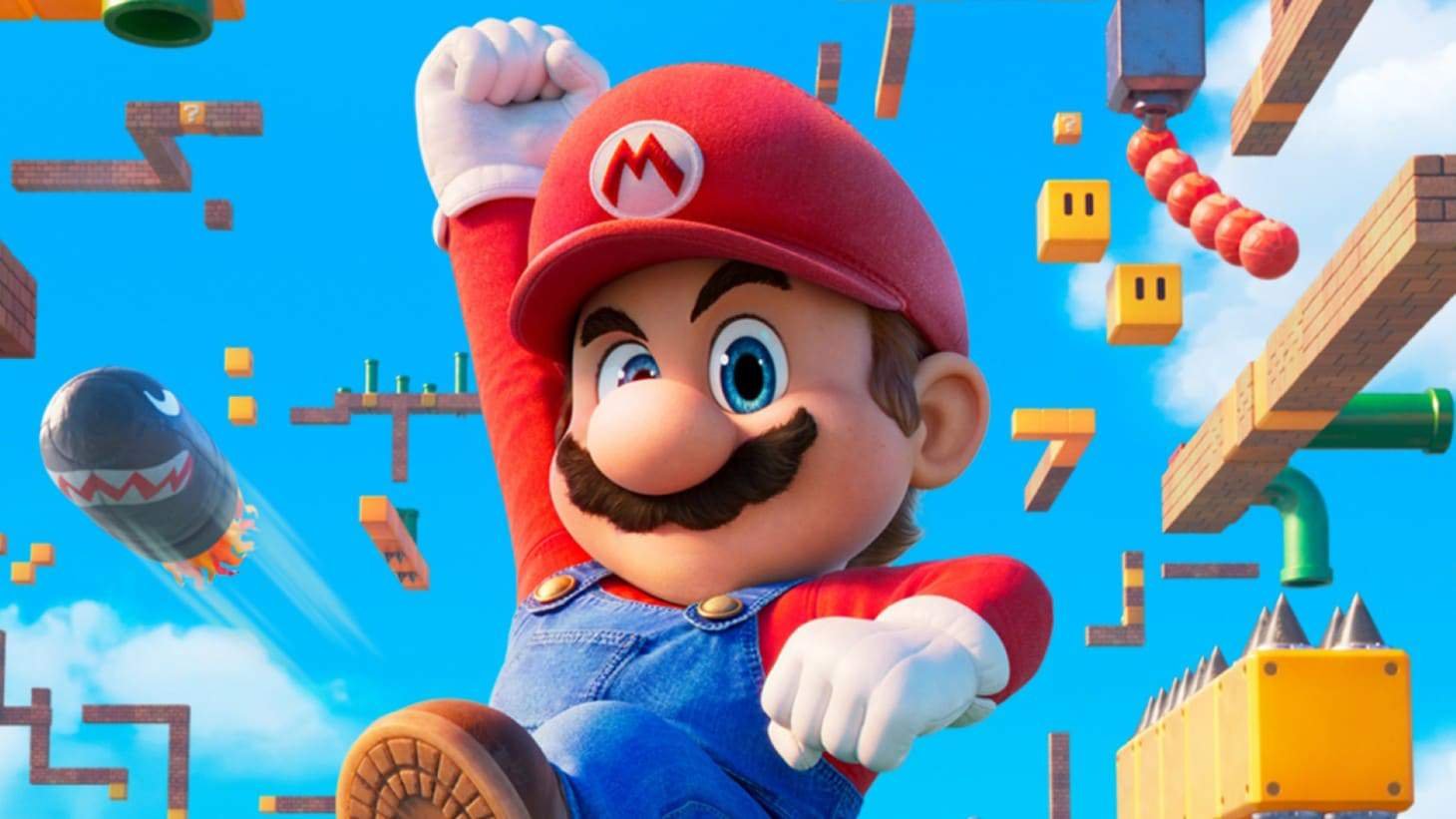
Mario has repeatedly reinvented himself across genres—from platforming epics rescuing Princess Peach to kart racing and open‑world adventures like Super Mario Odyssey—while maintaining a simple, optimistic design. Decades after his debut, Mario remains a central figure in pop culture, present in theme parks, films and ongoing game releases.
Why these characters endure
Each figure on this list combined memorable visuals, gameplay identity and narrative elements that evolved with players and technology. Whether through emotional transformation, franchise expansion or cross‑media adaptations, these characters left lasting impressions that extend beyond their original titles.