A recently published Nintendo patent indicates the company may employ artificial intelligence on the Switch 2 to enhance game graphics, using upscaling techniques that could produce higher-resolution images without major hardware upgrades.
What the patent describes
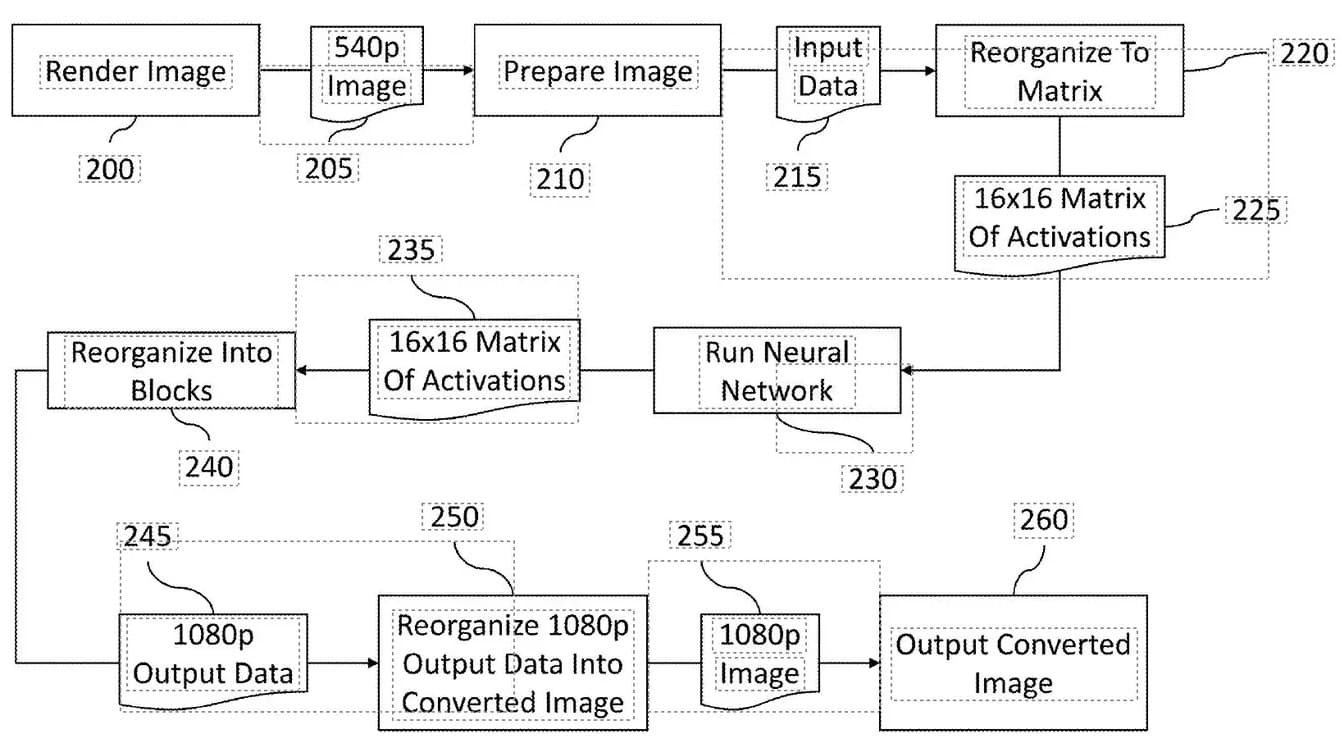
The filing — reported by Forbes — outlines a method that uses a trained neural network to convert lower-resolution frames into higher-resolution output. One diagram in the updated patent shows transformation of 540p source images (the current Switch resolution) into 1080p output.
Potential benefits for visuals and battery life
According to the patent excerpts, AI-driven upscaling could not only deliver sharper, more detailed images but also reduce the need for native high-resolution rendering. That reduction in on-device rendering workload could translate into longer battery life when the console is used in portable mode.
How this compares to existing techniques
Observers comparing the patent have likened the proposed approach to other AI upscaling solutions such as Nvidia’s Deep Learning Super Sampling (DLSS), which similarly uses deep learning models to upscale frames. The patent itself describes conversion via a neural network trained for the task, though Nintendo has not confirmed it will adopt the same methods as other vendors.
Timing and confirmation
The patent was first highlighted by game journalist Mike Odyssey, who shared the discovery on X. While the document suggests Nintendo is researching AI upscaling for the Switch 2, the company has not confirmed the feature.
Nintendo is expected to provide further information about the Switch 2 during a special presentation on April 2 as part of a Nintendo Direct. That event may clarify whether the AI upscaling described in the patent will be part of the final hardware or software strategy for the new console.
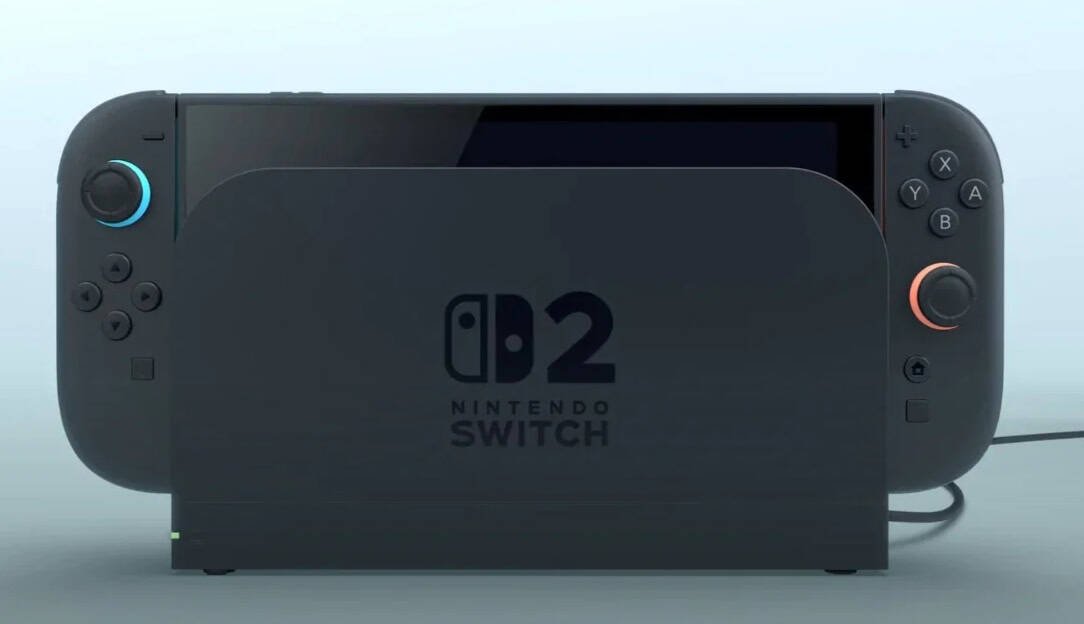
The Switch 2 is also expected to maintain compatibility with most existing Switch games and software, and any details announced on April 2 could outline how AI features integrate with backward compatibility and performance targets.