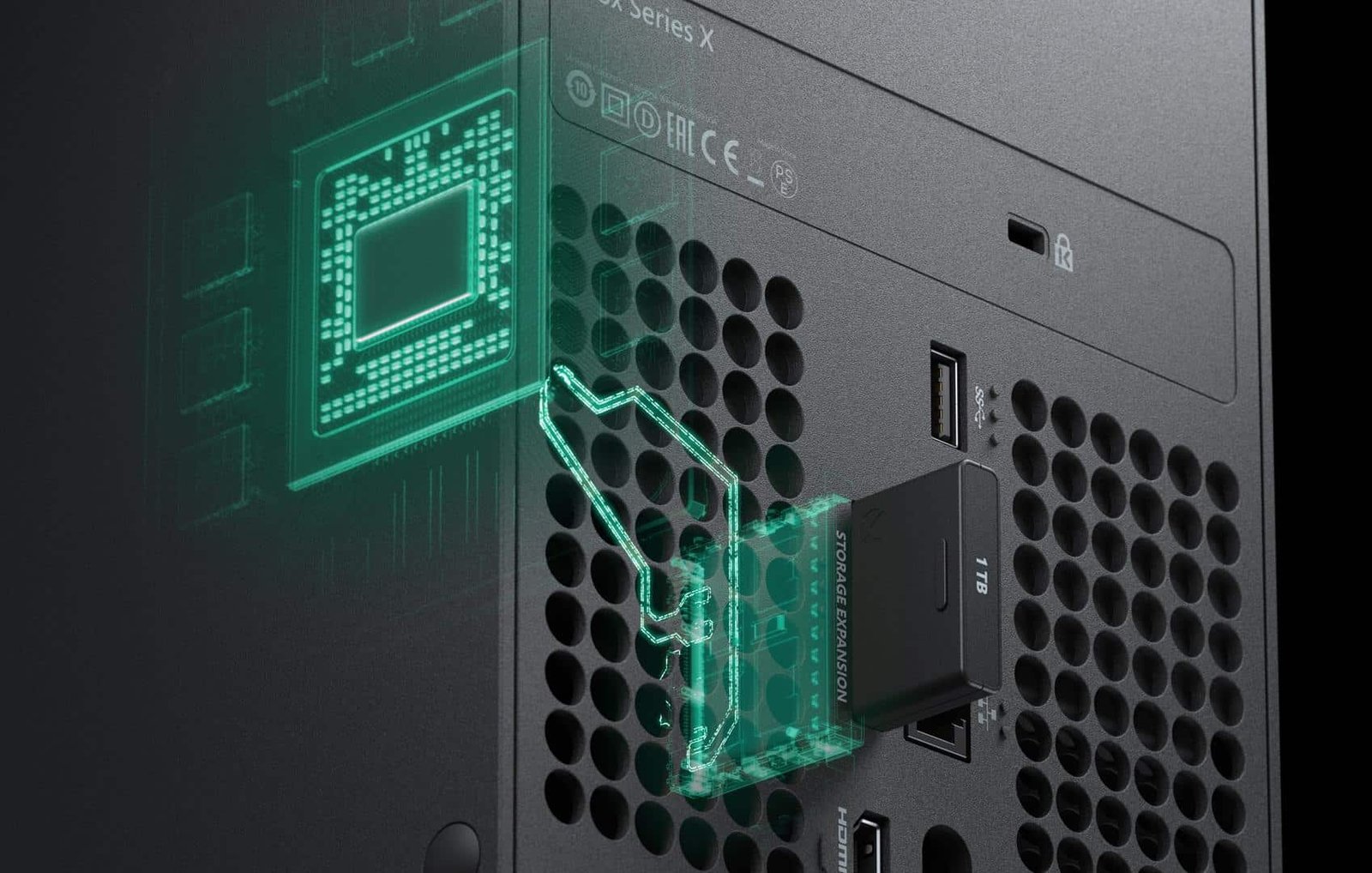
Microsoft on Thursday, June 24, presented an Expandable Storage Card made by Seagate that adds 1 TB of SSD storage to Xbox Series S and Series X consoles while delivering the same performance as the internal drives. The accessory will retail for US$220.
What the card does and who needs it
The 1 TB card is especially relevant for Xbox Series S owners, whose consoles include just 512 GB of internal SSD storage. For comparison, the suggested retail price for the Series S is US$300, while the Series X ships with 1 TB of internal storage and retails for US$500.
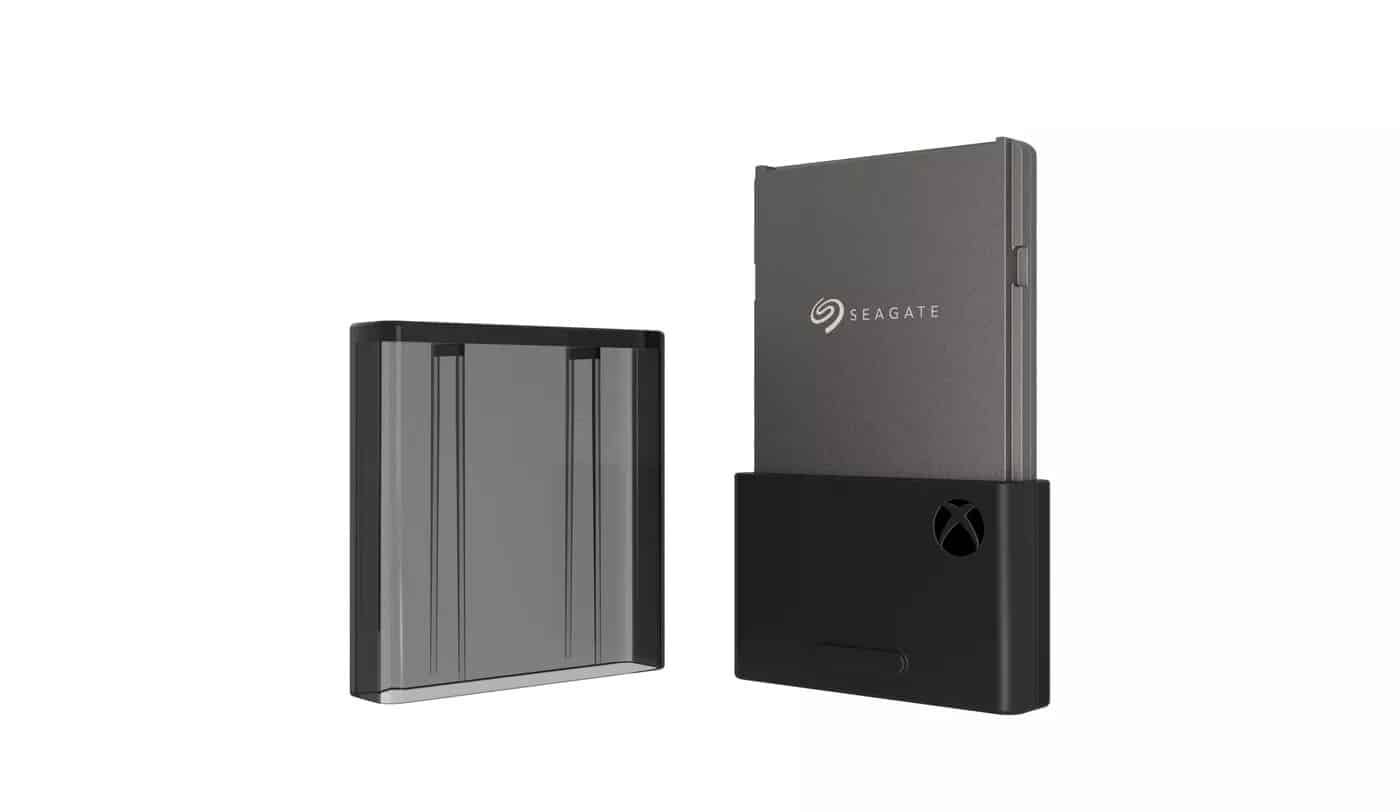
Seagate’s expansion card is intended to operate like a “memory card,” extending usable storage without compromising load times or gameplay behavior because it matches the consoles’ internal SSD transfer rates of 2.4 GB/s. To achieve that parity, the card uses a Microsoft proprietary connector and a custom design tailored to the consoles, factors that increase its cost compared with generic SSDs sold through electronics retailers.
Why the price is high
The company says the premium reflects the card’s engineering to meet the new-generation consoles’ performance requirements. Fast SSD throughput is central to the current console experience: higher read speeds reduce load times and enable game designs that depend on predictable storage performance rather than workarounds for slower drives.
Microsoft argues the tailored approach simplifies the experience for both consumers and developers by ensuring uniform and predictable storage behavior across systems. The company also indicated that other expansion options could appear in the future—potentially from brands beyond Seagate—but no additional partners or products were announced at this time.
How this differs from PlayStation’s approach
Sony has taken a different route for the PlayStation 5: instead of proprietary expansion cards, it recommends that users install a larger internal SSD. Sony will maintain a list of recommended models because an SSD with lower performance can negatively affect the PS5 gameplay experience.
External hard drives still useful
External USB 3.1 hard drives remain compatible and practical for Xbox Series X and Series S. Backward-compatible titles from previous console generations can be stored on an external HDD and played without occupying SSD space.
Users can also download next-generation games to an external HDD and transfer them to the internal SSD when they want to play. That workflow offers a lower-cost way to manage limited SSD capacity without immediately purchasing the US$220 expansion card or repeatedly redownloading very large games.