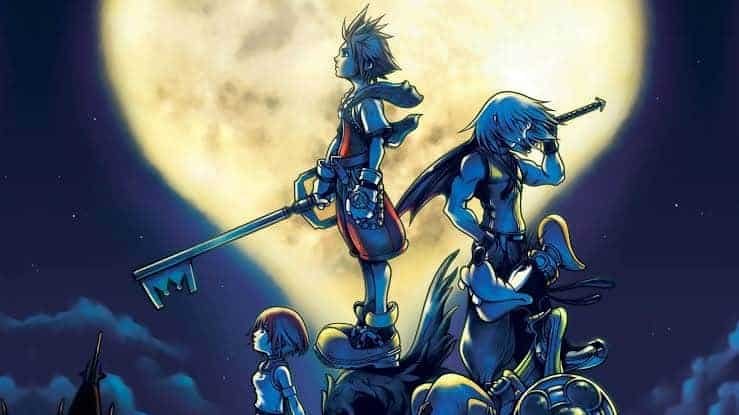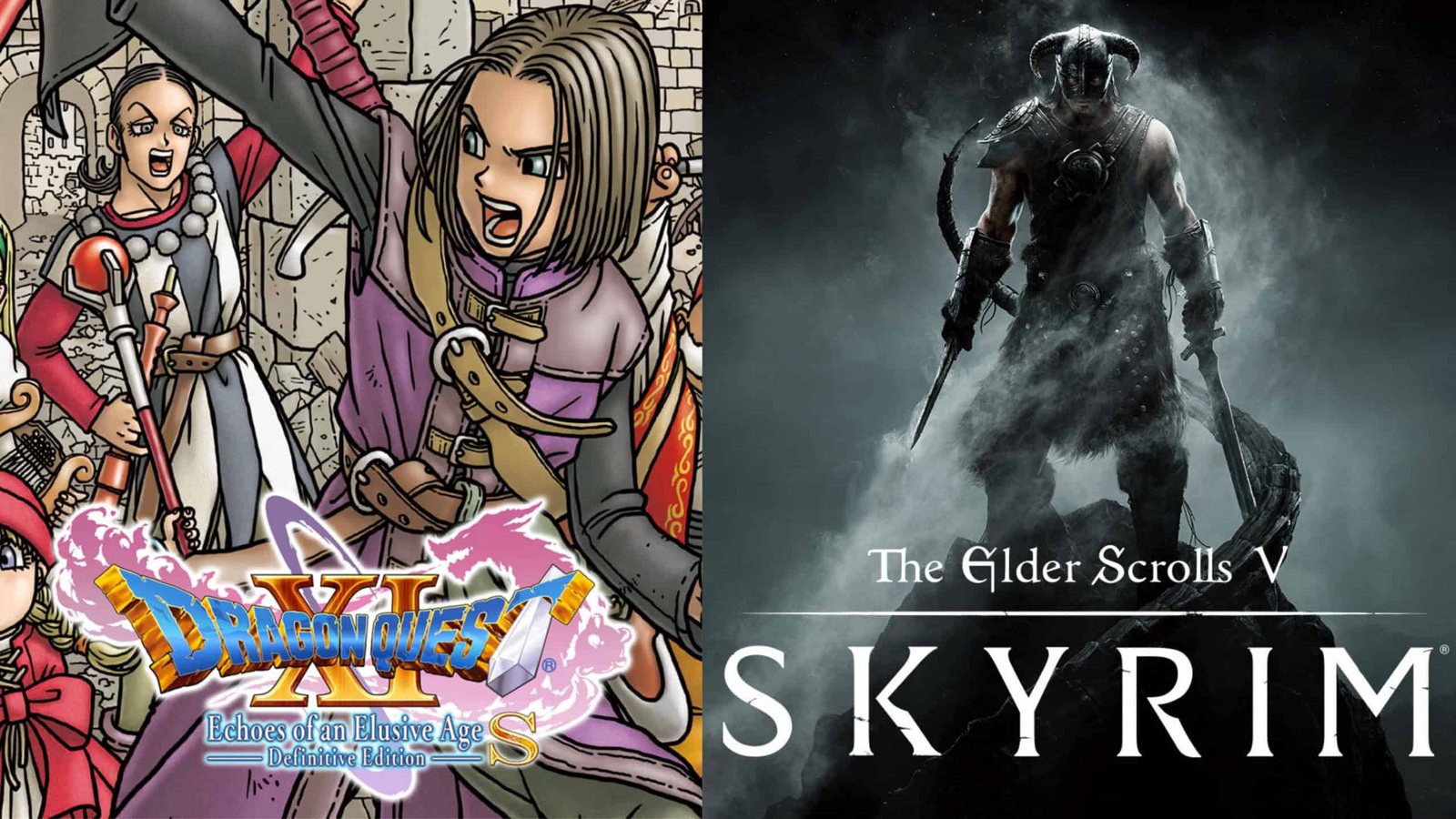
JRPGs and WRPGs represent two distinct approaches to role-playing games that evolved from tabletop roots like Dungeons & Dragons. While both belong to the RPG genre, they differ markedly in storytelling, player agency, combat systems, character design and visual style.
Defining JRPGs
The term JRPG stands for “Japanese Role-Playing Game” and originally designated RPGs developed in Japan. Over time it also came to describe games made elsewhere that faithfully follow the style established by classics such as Dragon Quest (1986) and Final Fantasy (1987).
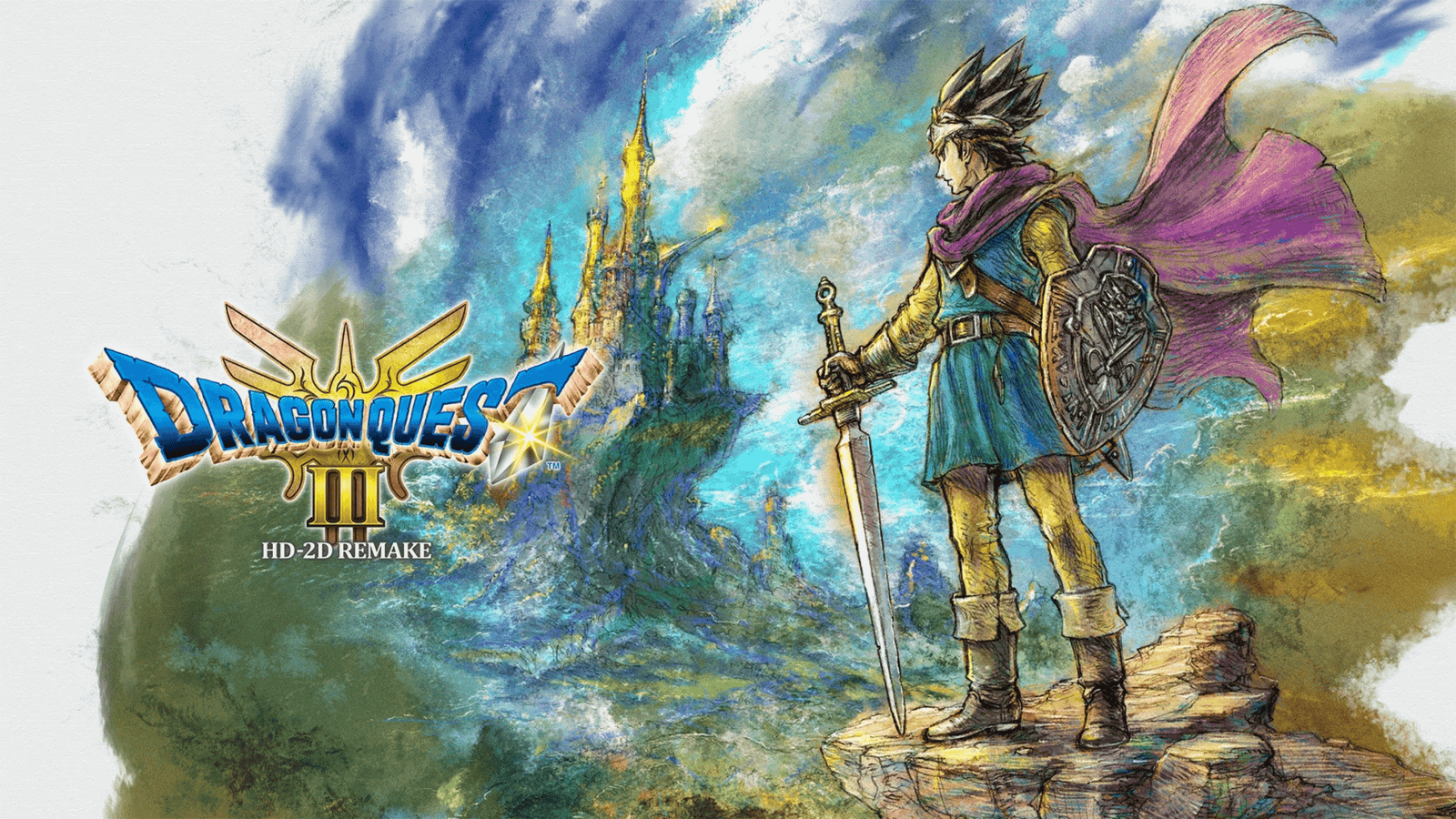
JRPGs typically adopt an aesthetic influenced by anime and manga: stylized character designs, colorful visuals and fantasy settings. Narratives tend to be more linear, centered on well-defined protagonists and their emotional, often epic journeys.
Combat in many JRPGs has traditionally been turn-based, although series like Final Fantasy and Tales of have introduced more dynamic systems in recent entries. Progression commonly relies on levels and specific skill unlocks, with plot-driven timing for character growth.
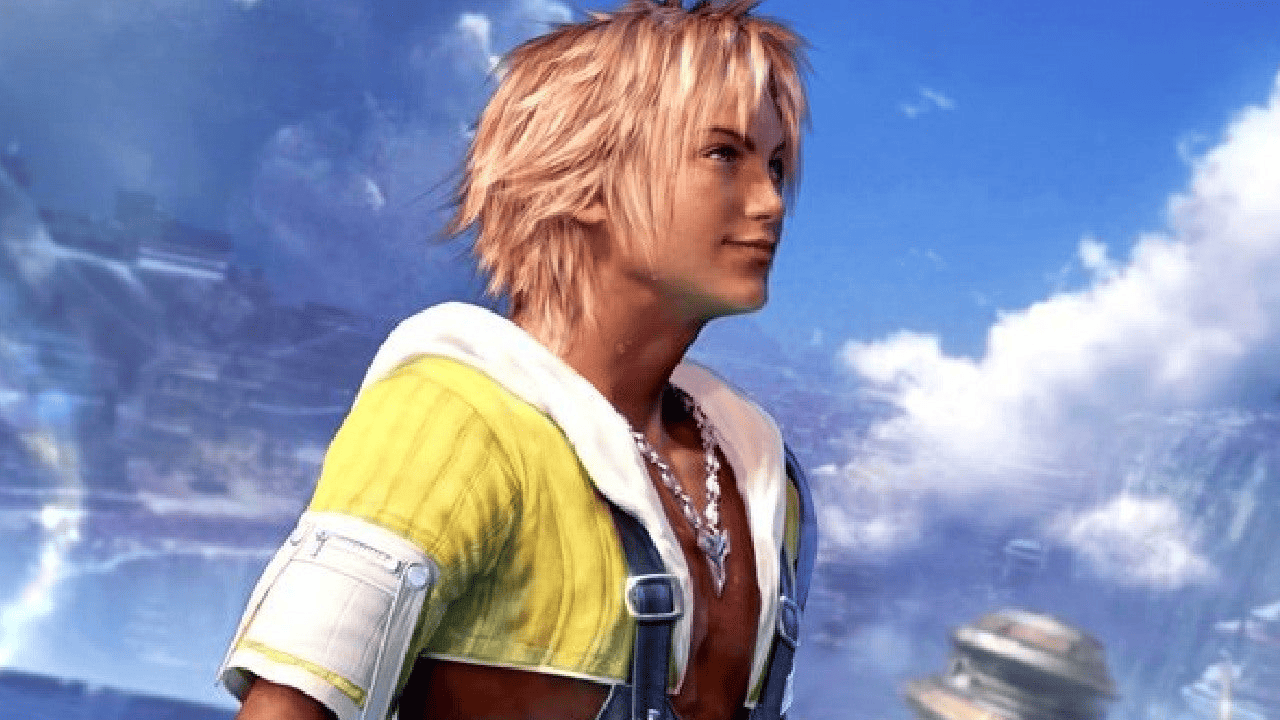
Because the label emphasizes style as much as origin, Western-made titles such as Chained Echoes or Cosmic Star Heroine are sometimes categorized as JRPGs when they closely emulate these conventions.
Representative JRPG franchises
- Dragon Quest
- Final Fantasy
- Mana series (Legend of Mana, Secret of Mana)
- Xenoblade Chronicles
- Fire Emblem
- Breath of Fire
- Shin Megami Tensei and Persona
Defining WRPGs
WRPG stands for “Western Role-Playing Game” and refers mainly to games developed in the United States and Europe, often drawing direct inspiration from tabletop RPG systems. WRPGs prioritize player freedom, offering open worlds, branching paths and extensive character customization.
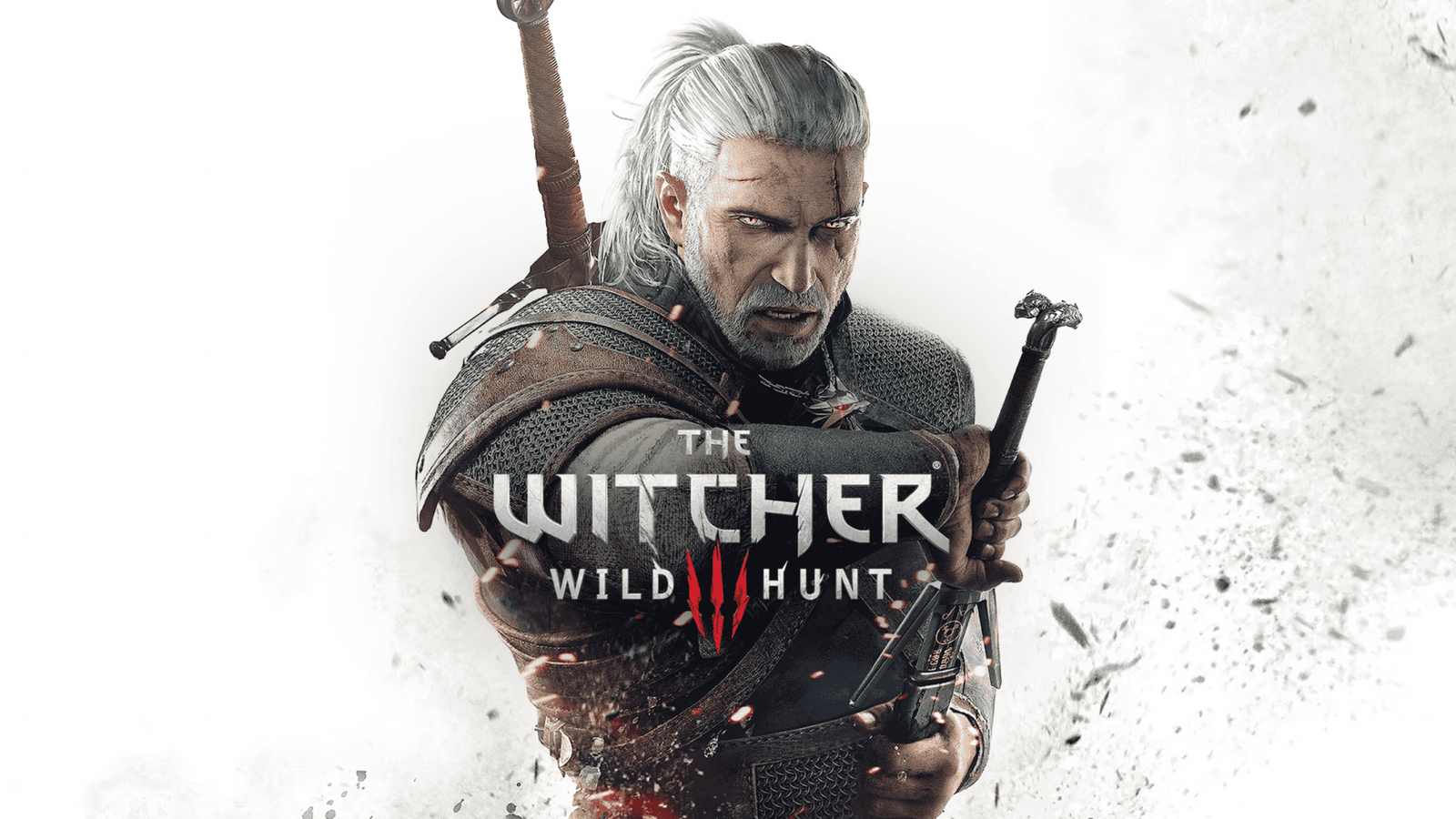
In WRPGs the protagonist is frequently created by the player rather than portrayed as a fixed character, enabling personal identification and varied playstyles. Worlds are designed for non-linear exploration, with side quests and multiple endings that reflect player decisions.
Visually, WRPGs usually favor more realistic and often darker tones compared to JRPGs. Combat systems commonly use real-time action or real-time with strategic pause, and they often include complex talent trees, diplomacy, stealth or direct combat as meaningful options.

Examples of prominent WRPGs include The Witcher 3: Wild Hunt, Skyrim (The Elder Scrolls V), Dragon Age, Mass Effect, Divinity: Original Sin 2 and Baldur’s Gate 3.
Main differences in structure and gameplay
The core contrasts between JRPGs and WRPGs appear across narrative structure, character presentation, player agency and combat mechanics.

JRPGs generally deliver linear stories focused on relationships and a prewritten protagonist, while WRPGs shape narrative around player choice, with protagonists often lacking a preset identity. This design difference produces distinct feelings of agency: JRPGs guide players through a crafted journey; WRPGs invite players to author their path.
Progression systems also diverge. JRPGs favor controlled advancement through levels and scripted ability unlocks. WRPGs give players broad freedom to build characters through talent trees and customizable attributes that directly influence gameplay options.
Combat and thematic tone
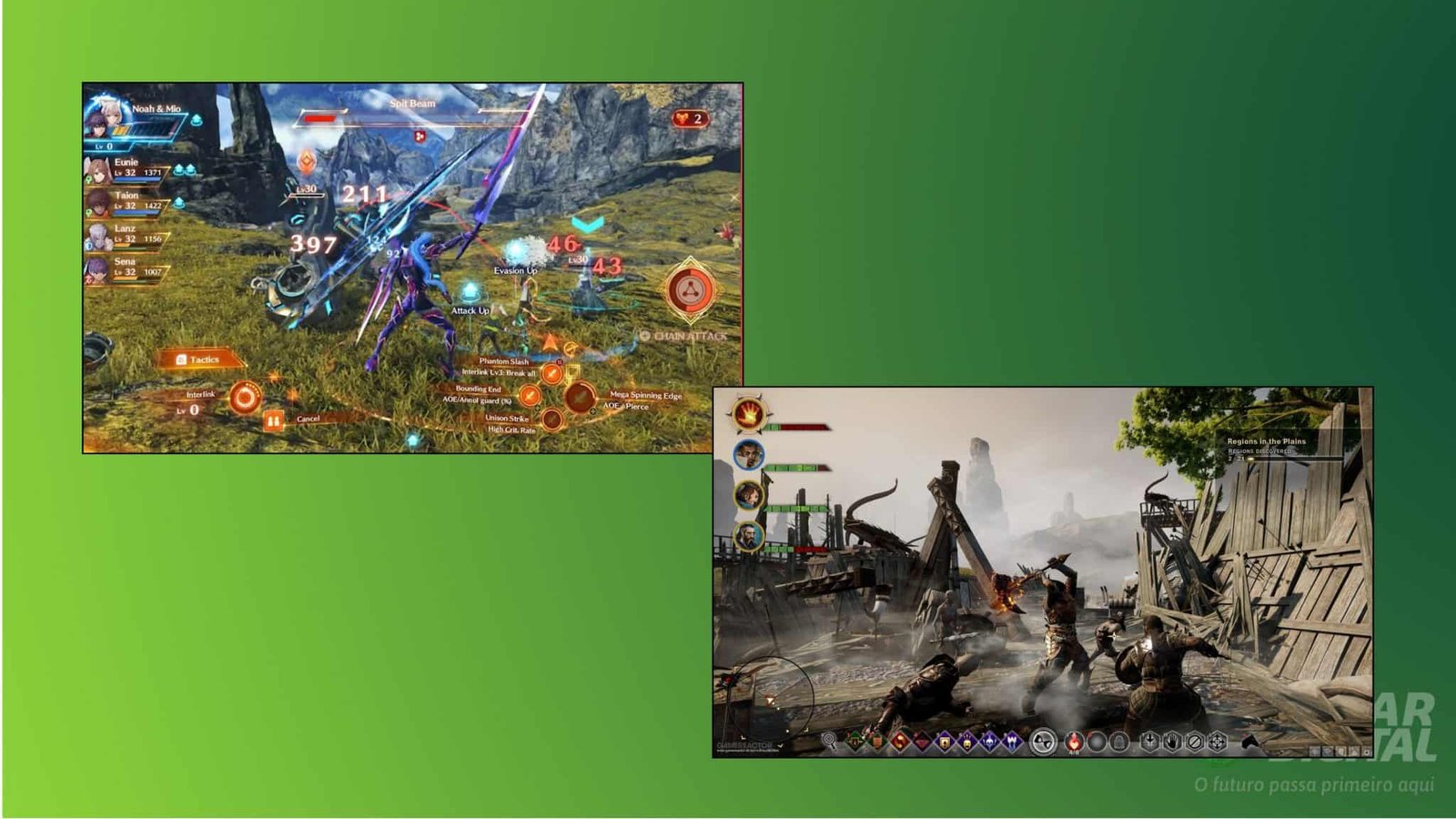
Combat in JRPGs often preserves turn-based or stylized mechanics, featuring special attacks, dramatic abilities and an emphasis on spectacle. WRPG combat tends toward tactical or simulation-style systems, using real-time or hybrid mechanics to convey immersion and strategic depth.
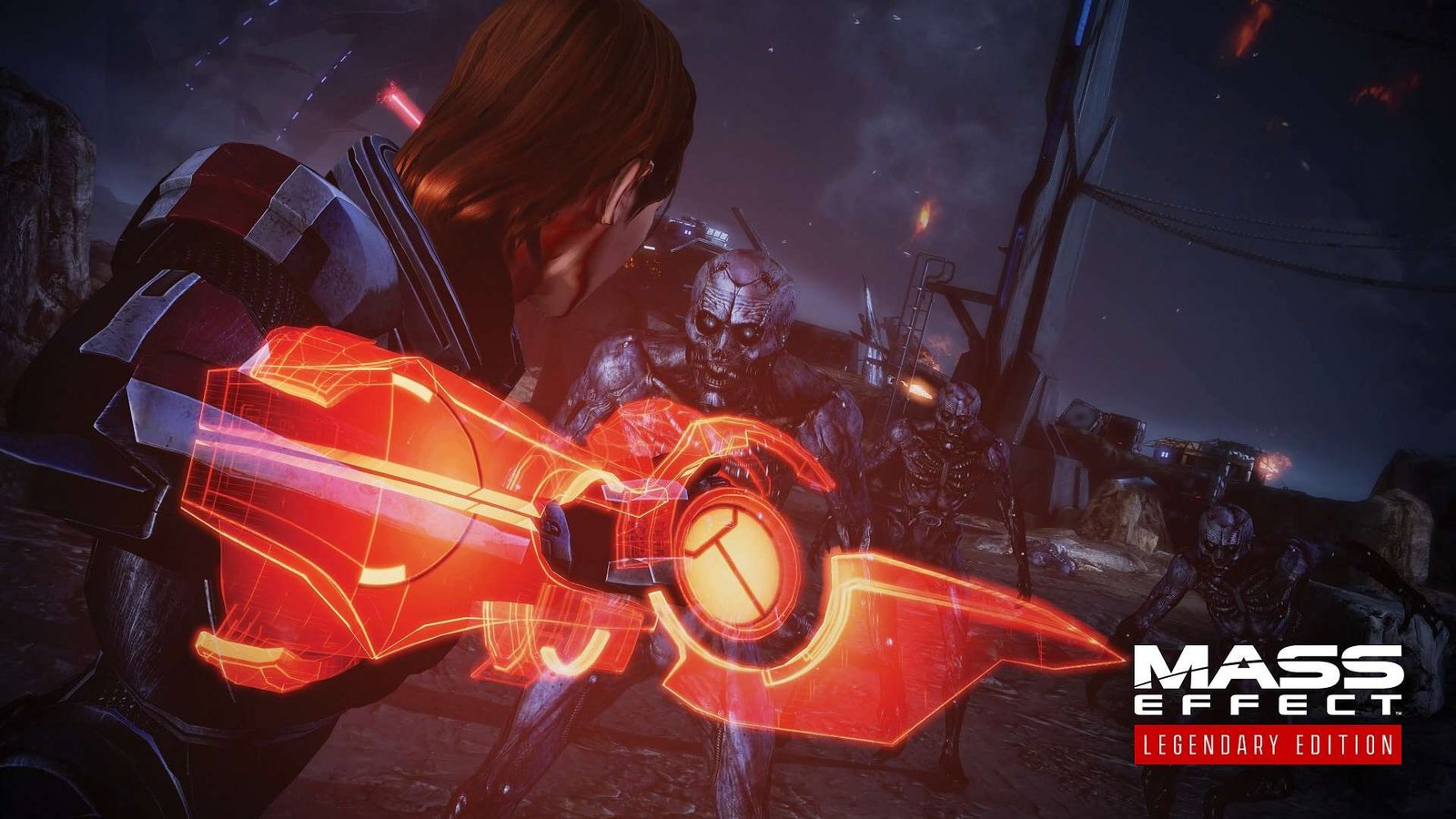
Thematic tone differs as well: JRPGs frequently present heroic, emotionally driven stories with younger protagonists, while WRPGs explore grimmer, more realistic settings with adult characters facing harsher environments. These tonal choices reinforce the respective focuses on narrative authorship versus player-driven experience.
Player freedom and structure
Another clear contrast is the degree of player freedom. JRPGs often follow a preset mission order with limited opportunities for transformative choice. WRPGs are known for open worlds, numerous side quests and multiple potential endings, allowing each player to play in a more individualized way.
Although the categories highlight prevailing tendencies, individual titles can blend elements from both traditions. Nonetheless, the distinctions above capture the most recurrent differences between JRPGs and WRPGs as they evolved from shared tabletop origins.