Critics have ranked the top 10 Sonic the Hedgehog games using aggregated review scores, placing Sonic Mania at number one and Sonic Colors among the notable entries. The list draws on specialist reviews collected by aggregators such as Metacritic.
Overview of the ranking method
The selection presented here is based on critic scores aggregated from review sources. That approach reflects professional assessments but does not claim absolute objectivity—individual players may prefer different titles.
10. Sonic Colors (2010) — Score: 78
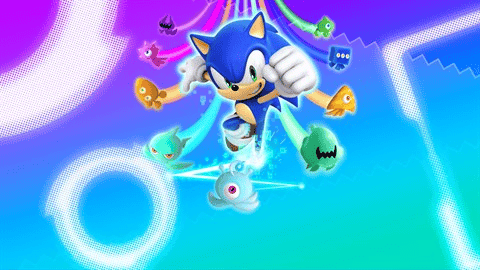
Released initially for the Nintendo Wii, Sonic Colors was praised for its colorful presentation and the addition of Wisps, creatures that grant Sonic special abilities like wall traversal or laser form. Critics noted the game’s balance of 2D and 3D elements and highlighted its creative level design and effective use of the Wii’s capabilities.
9. Sonic Rush Adventure (2007) — Score: 78
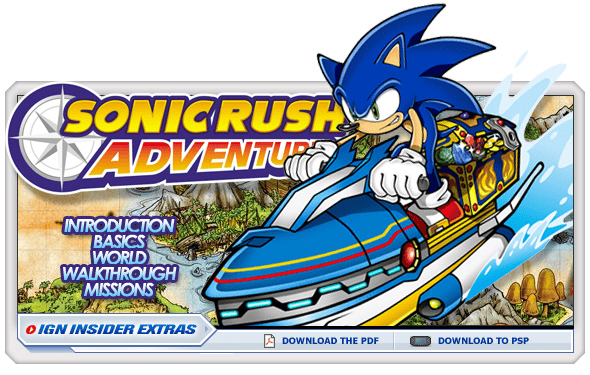
This Nintendo DS sequel to Sonic Rush introduced island-based exploration and ship travel, expanding the portable series’ scope. Reviewers commended the level design, the energetic soundtrack by Hideki Naganuma, and the way the DS dual screens supported fast-paced, fluid stages while keeping the series’ emphasis on speed.
8. Sonic the Hedgehog 3 (1994) — Score: 79
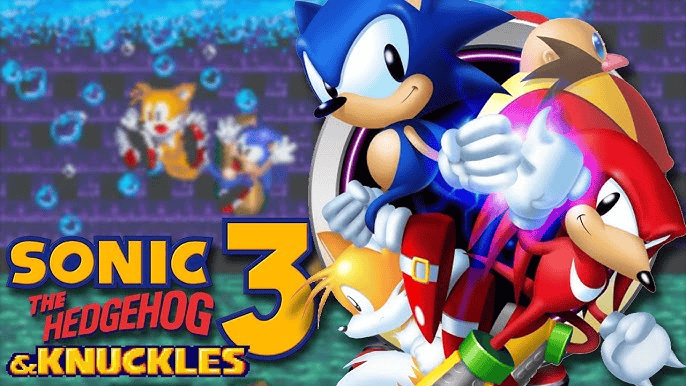
For the Sega Genesis, Sonic the Hedgehog 3 deepened the 2D platform formula with longer stages, more complex layouts, and the debut of Knuckles. Reviews highlighted technical improvements for the era, the ability to save progress, and a memorable soundtrack, citing the title as a natural evolution that added complexity while preserving high-speed gameplay.
7. Sonic the Hedgehog (1991) — Score: 81
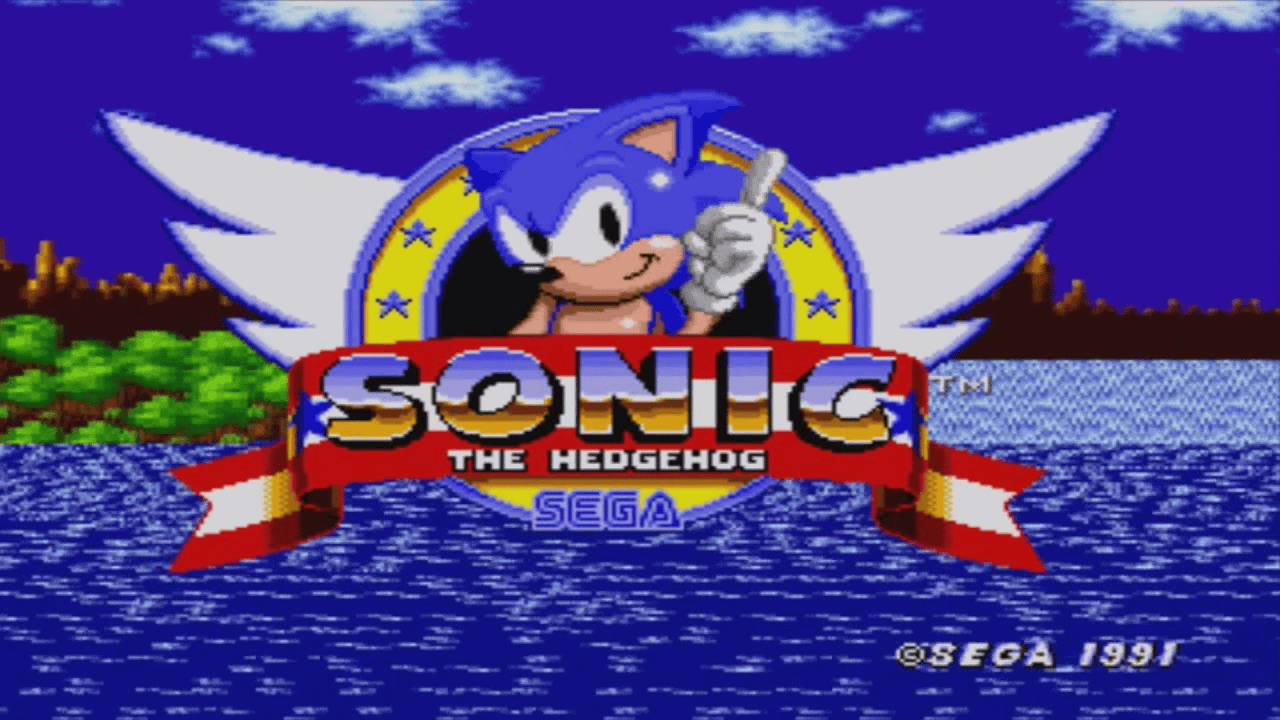
The original 1991 Sega Genesis release established Sonic’s core identity: rapid platforming, vibrant level visuals and a catchy soundtrack. Critics recognize its historical significance and enduring influence on platformers, noting that despite technical limits compared with modern games, it remains a defining title for the franchise.
6. Sonic CD (1993) — Score: 82

Launched for the Sega CD, Sonic CD introduced time-travel mechanics that let players shift zones between past, present and future, altering level design and outcomes. The game’s multiple paths increased replay value, and critics praised its inventive mechanics and region-dependent soundtrack variations, calling it a standout entry.
5. Sonic Rush (2005) — Score: 82
Sonic Rush for the Nintendo DS returned to 2D action while integrating 3D visuals and introduced Blaze the Cat. Reviewers lauded its brisk pacing, inventive levels and dynamic soundtrack (also by Hideki Naganuma), emphasizing how the dual-screen format enabled unique vertical and horizontal high-speed segments.
4. Sonic the Hedgehog 2 (1992) — Score: 83

Sonic 2 expanded the Genesis formula with Tails as a playable character, new power-ups, tougher stages and a cooperative two-player mode. Critics praised the improved graphics, memorable music and polished gameplay, often citing levels like Chemical Plant Zone among the series’ best.
3. Sonic Advance (2002) — Score: 87
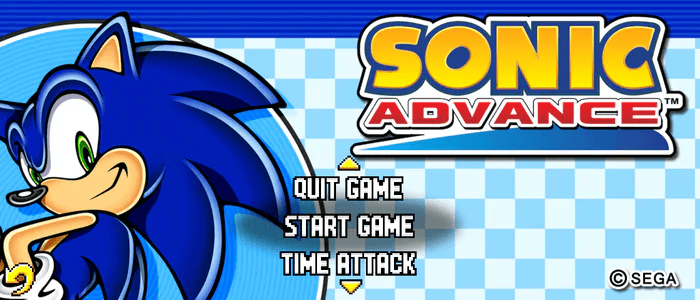
As the first original Sonic title on a Nintendo handheld, Sonic Advance for Game Boy Advance revived classic 2D play with updated visuals and refined controls. Critics highlighted its level design, character-specific abilities and detailed animations, noting the game’s role in introducing Sonic to a new portable audience.
2. Sonic Adventure 2 (2001) — Score: 89
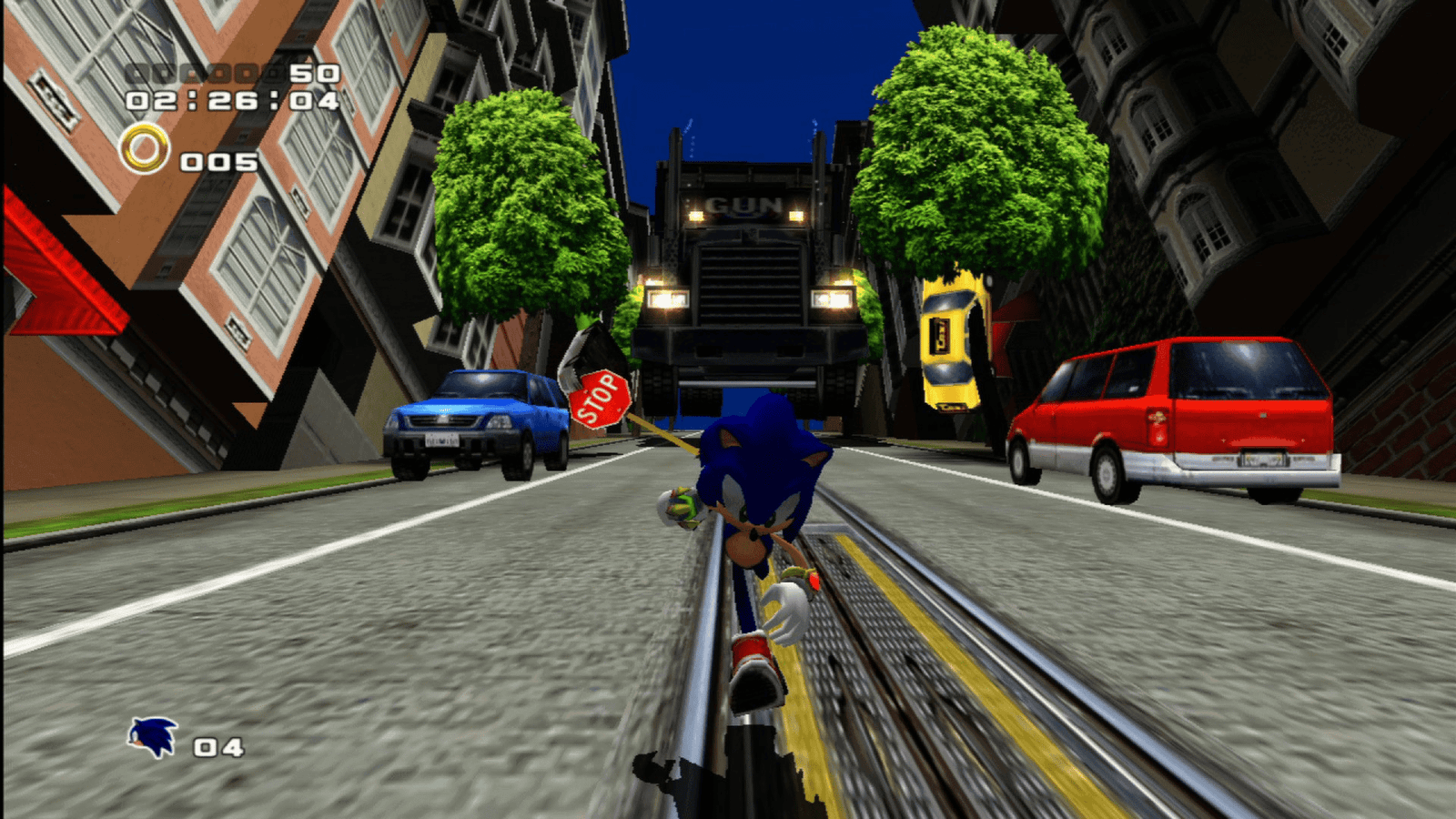
One of the Dreamcast’s final major releases, Sonic Adventure 2 received acclaim for its engaging narrative structure split between “Heroes” and “Villains,” varied gameplay styles and introduction of Shadow the Hedgehog. Reviews praised its balance of action and story and its standout soundtrack, including tracks like “Live and Learn.” The title was later re-released on multiple platforms.
1. Sonic Mania (2017) — Score: 89
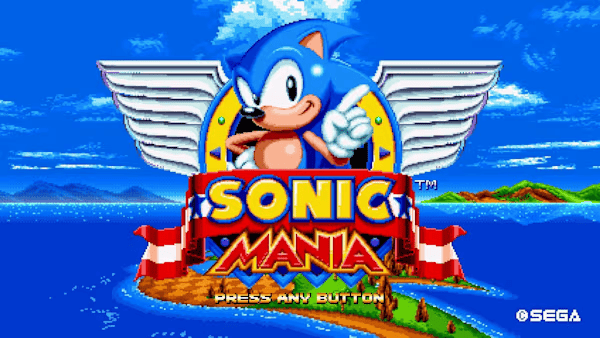
Topping the critics’ list, Sonic Mania was developed by fans and released in 2017 as a faithful yet modernized tribute to classic 2D Sonic. Critics universally praised its authentic design, inventive stage construction, nostalgic visuals and strong soundtrack. The game was highlighted for capturing the essence of the Genesis-era titles while adding contemporary improvements that appealed to both longtime fans and new players.