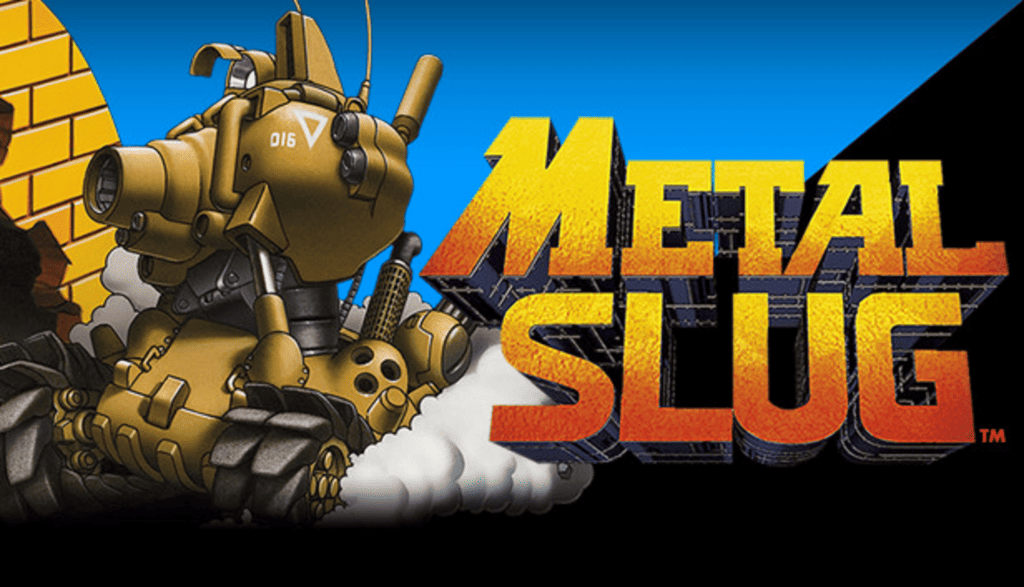
Metal Slug remains one of the most recognizable 2D run-and-gun series. First released by SNK in 1996, the franchise built its reputation on fast-paced action, detailed pixel art and a distinctive sense of humor. Below is a ranked overview of the series’ standout entries, explaining what each title added to the saga.
BONUS: Metal Slug 3D
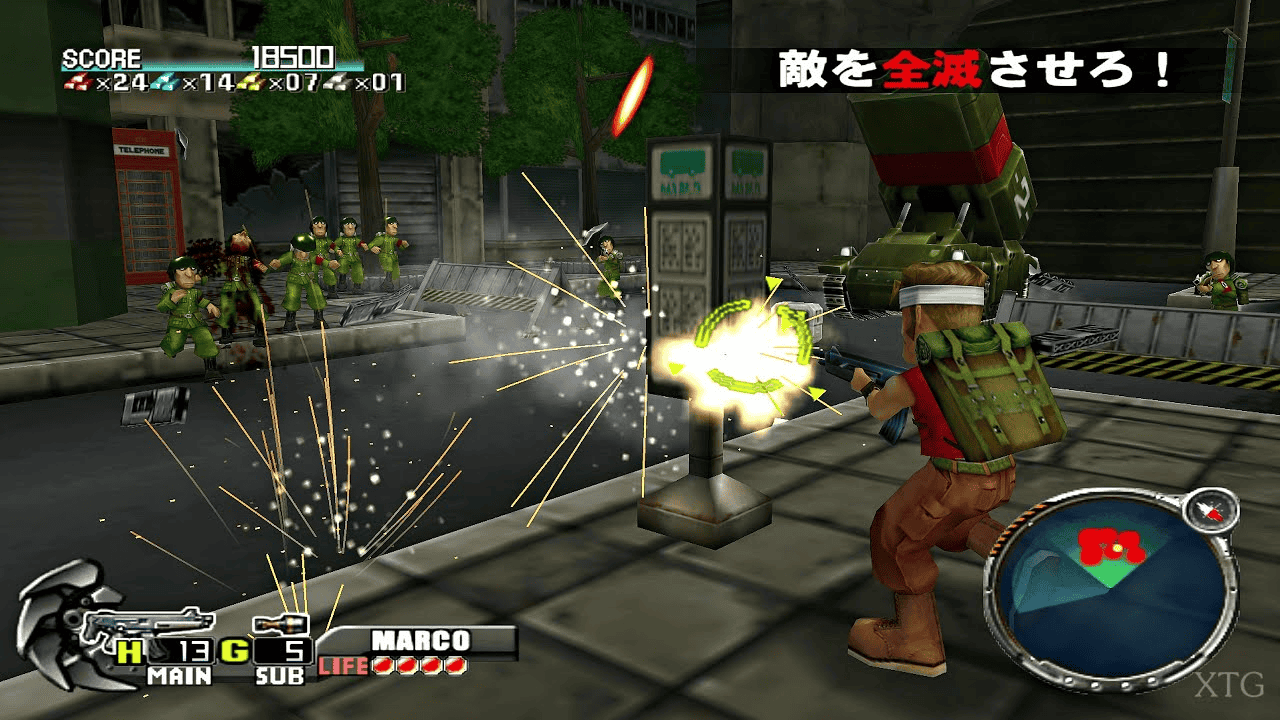
Released in 2006 for PlayStation 2, Metal Slug 3D was SNK’s experiment to bring the franchise into full 3D. The game preserved the series’ focus on action and humor but replaced the classic side-scrolling format with a three-dimensional presentation.
The transition to 3D did not meet players’ or critics’ expectations. While the effort offered a different perspective on the franchise, it lost much of the charm associated with the 2D entries. Gameplay and enemy and level design fell short of the established standard, leaving Metal Slug 3D as a curious but flawed entry in the series.
Metal Slug Advance — Portable adaptation with collectibles
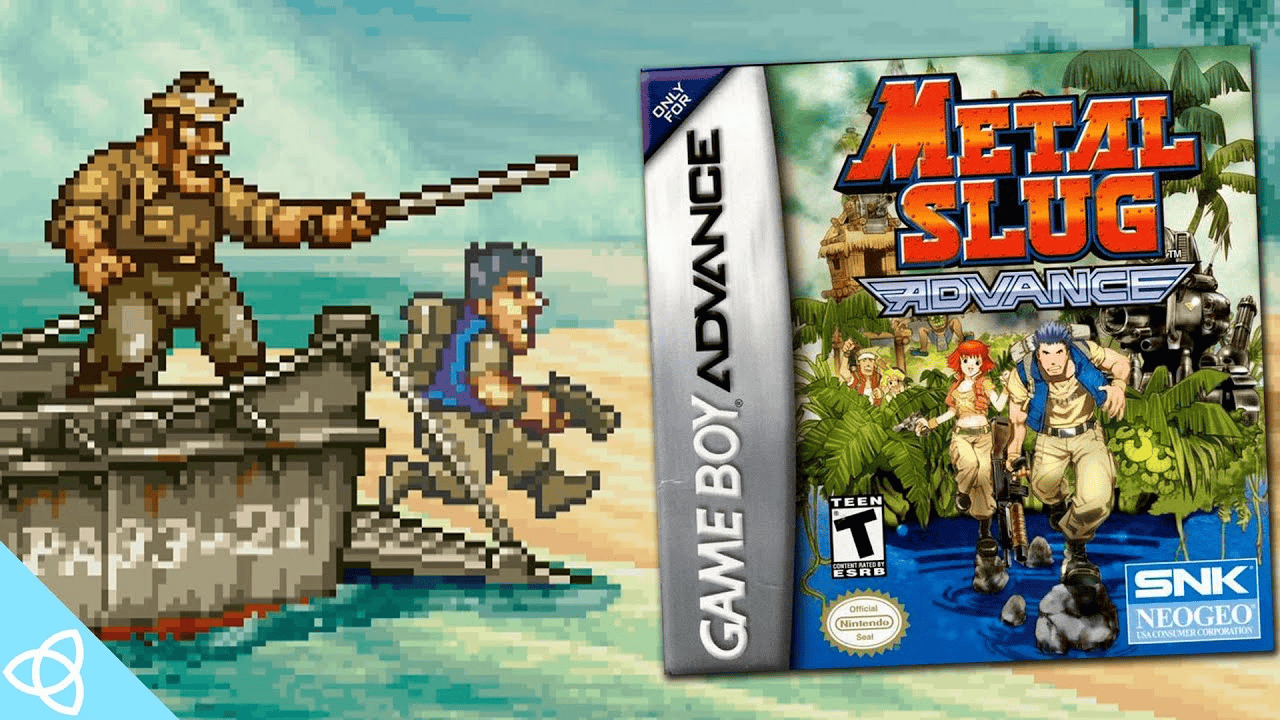
Metal Slug Advance brought the arcade energy to the Game Boy Advance, adapting the series’ frantic gameplay to handheld hardware. Graphics were simplified due to platform limitations, but the core mechanics remained fluid and challenging.
This release introduced a card-collecting system, encouraging exploration and replay of stages. As a portable spin-off, Metal Slug Advance delivered a solid, enjoyable experience and earned its place among notable series entries.
Metal Slug 5 — Refined mechanics and new moves

Metal Slug 5 continued the franchise’s tradition while adding fresh mechanics like a sliding maneuver to dodge enemy attacks. The game also included new enemies and level designs, sustaining the high difficulty and fast pace fans expect.
Though not as groundbreaking as earlier installments, Metal Slug 5 offered reliable, addictive gameplay and useful additions that expanded variety without breaking the series’ core formula.
Metal Slug 2 — Iconic innovations, later optimized
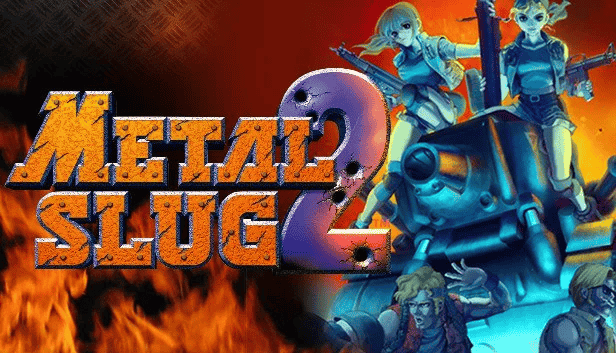
Released in 1998, Metal Slug 2 is one of the franchise’s most memorable titles. It introduced new vehicles, weapons and varied environments such as destroyed cities and desert stages with mummy-themed enemies.
The game added playful power-ups that altered the player’s form and behavior, increasing variety and humor. However, Metal Slug 2 suffered performance slowdowns during intense on-screen action, a problem later addressed by Metal Slug X. Despite technical issues, Metal Slug 2 remains celebrated for its creativity and contributions to the series’ development.
Metal Slug 4 — New characters and continued charm
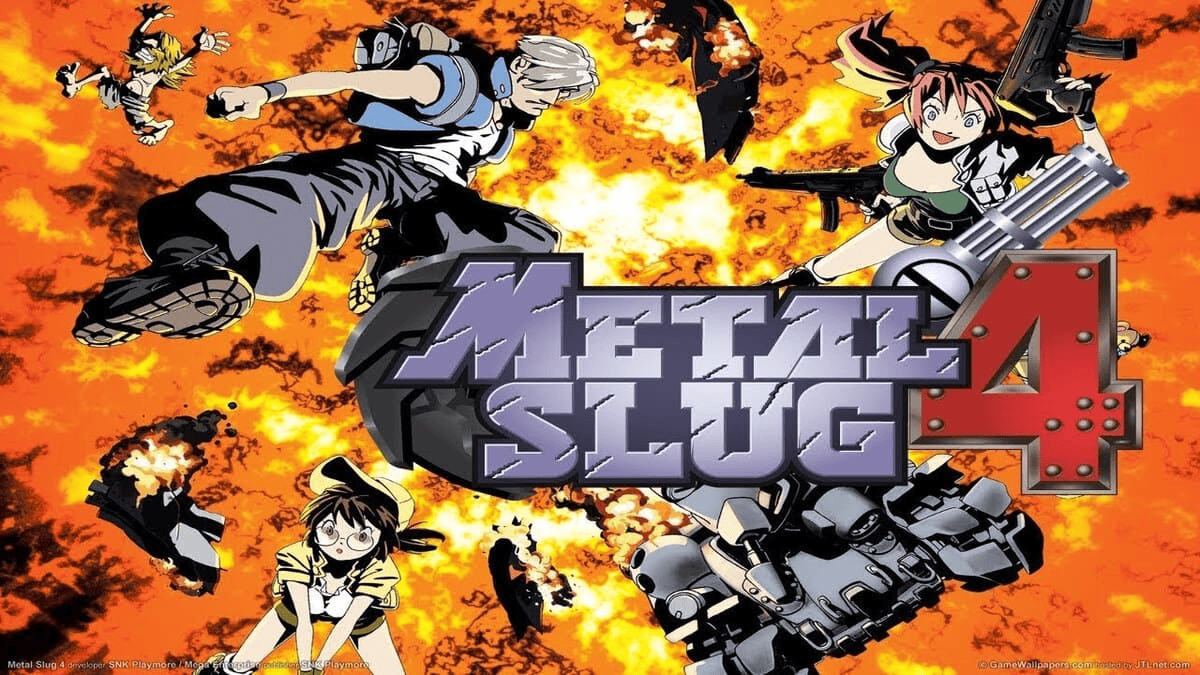
Following Metal Slug 3, the 2002 release of Metal Slug 4 kept the franchise’s hallmark visuals and fast gameplay. It introduced additional playable characters, weapons and vehicles while preserving the series’ tone.
Although some fans view Metal Slug 4 as less impactful than earlier entries, it still delivers a fun, challenging experience consistent with the series’ standards.
Metal Slug 6 — First on Atomiswave with difficulty options

Metal Slug 6 marked the series’ move from Neo Geo hardware to Atomiswave, enabling graphical and technical improvements that produced smoother gameplay and richer visual detail.
The title introduced selectable difficulty levels—“Easy” and “Hard”—with Easy offering more ammunition and weapons, while Hard presented a tougher challenge. Metal Slug 6 also brought back classic characters and added new armaments, keeping the franchise fresh on newer arcade hardware.
Metal Slug 7 — DS entry that captures the essentials
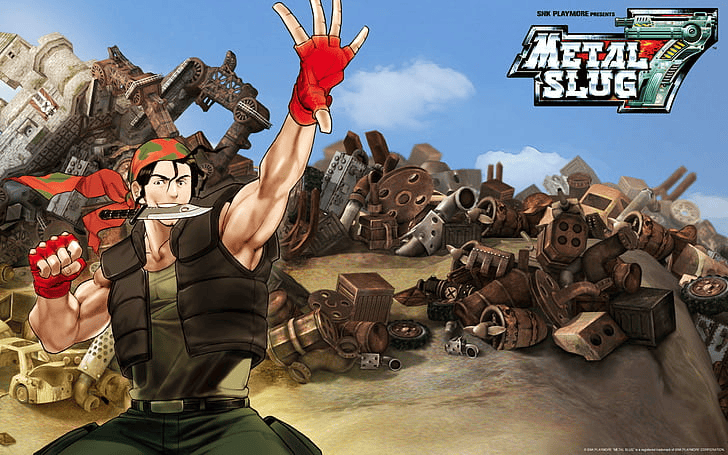
Released for the Nintendo DS, Metal Slug 7 translated the series’ signature action to the handheld Nintendo platform. Hardware constraints limited some presentation aspects, but the game managed to retain the franchise’s frenetic pace.
With new stages, enemies and bosses, Metal Slug 7 provided a solid portable experience for fans wanting the series on the DS.
Metal Slug: Super Vehicle-001 — The original
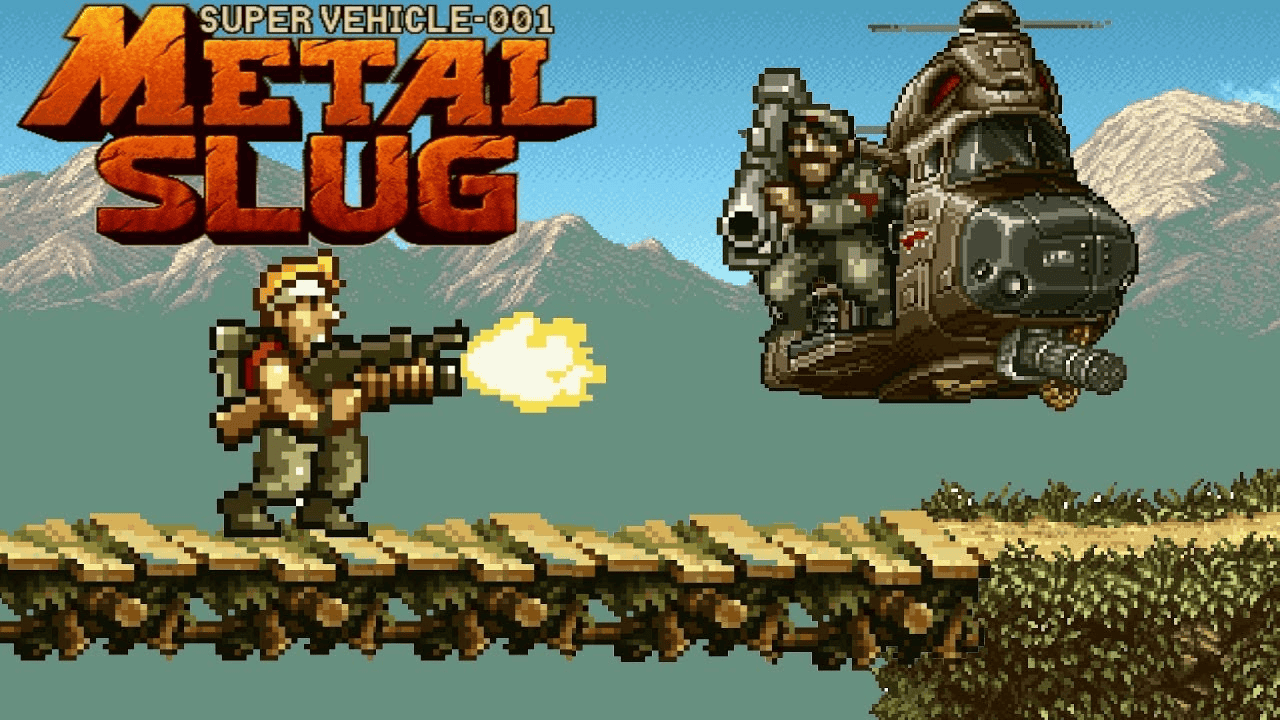
The first game, Metal Slug: Super Vehicle-001, established the series’ foundations on the Neo Geo arcade system. It introduced the precise, responsive gameplay, colorful pixel art and humorous animations that defined the franchise.
Players control elite soldiers from the Peregrine Falcon unit to stop General Morden’s rebel forces. The ability to pilot the signature “Slugs” added tactical variety and helped the title stand out among contemporaneous shooters, securing its place as a cornerstone of the series.
Metal Slug X — Optimized classic
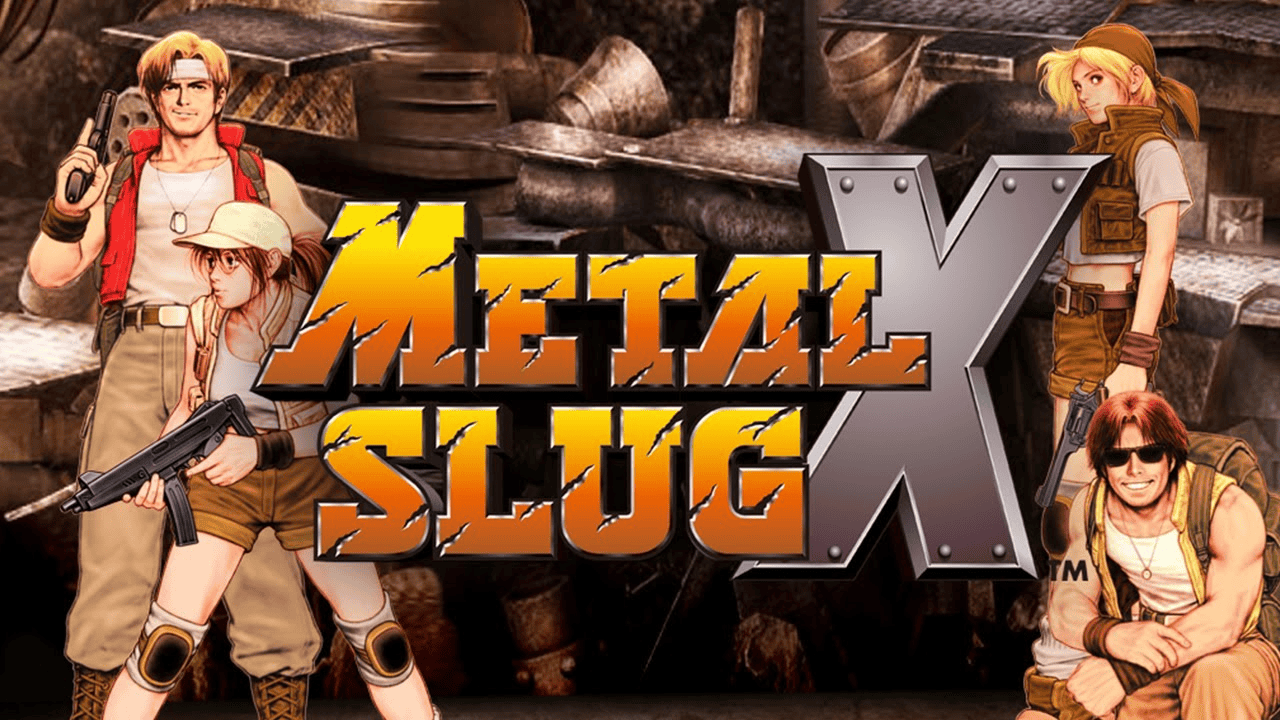
Metal Slug X is essentially an enhanced version of Metal Slug 2. SNK addressed technical issues—most notably the slowdown during busy scenes—and added new content, such as altered stage timings and additional weapons.
Performance and visual improvements combined with familiar, tight gameplay made Metal Slug X widely regarded as the definitive iteration of Metal Slug 2 and one of the franchise’s best entries.
Metal Slug 3 — The series high point
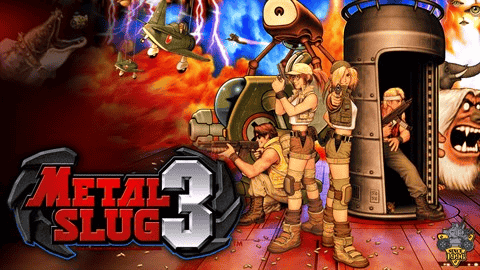
Released in 2000, Metal Slug 3 is frequently cited as the series’ pinnacle. It expanded the franchise by introducing branching paths within stages, a broader variety of enemies and more elaborate boss encounters.
Metal Slug 3 also pursued a more ambitious narrative that included alien encounters and interplanetary rescue missions, while retaining the signature humor and fast controls. Enhanced visuals and standout animations contribute to its reputation as an essential Metal Slug experience.