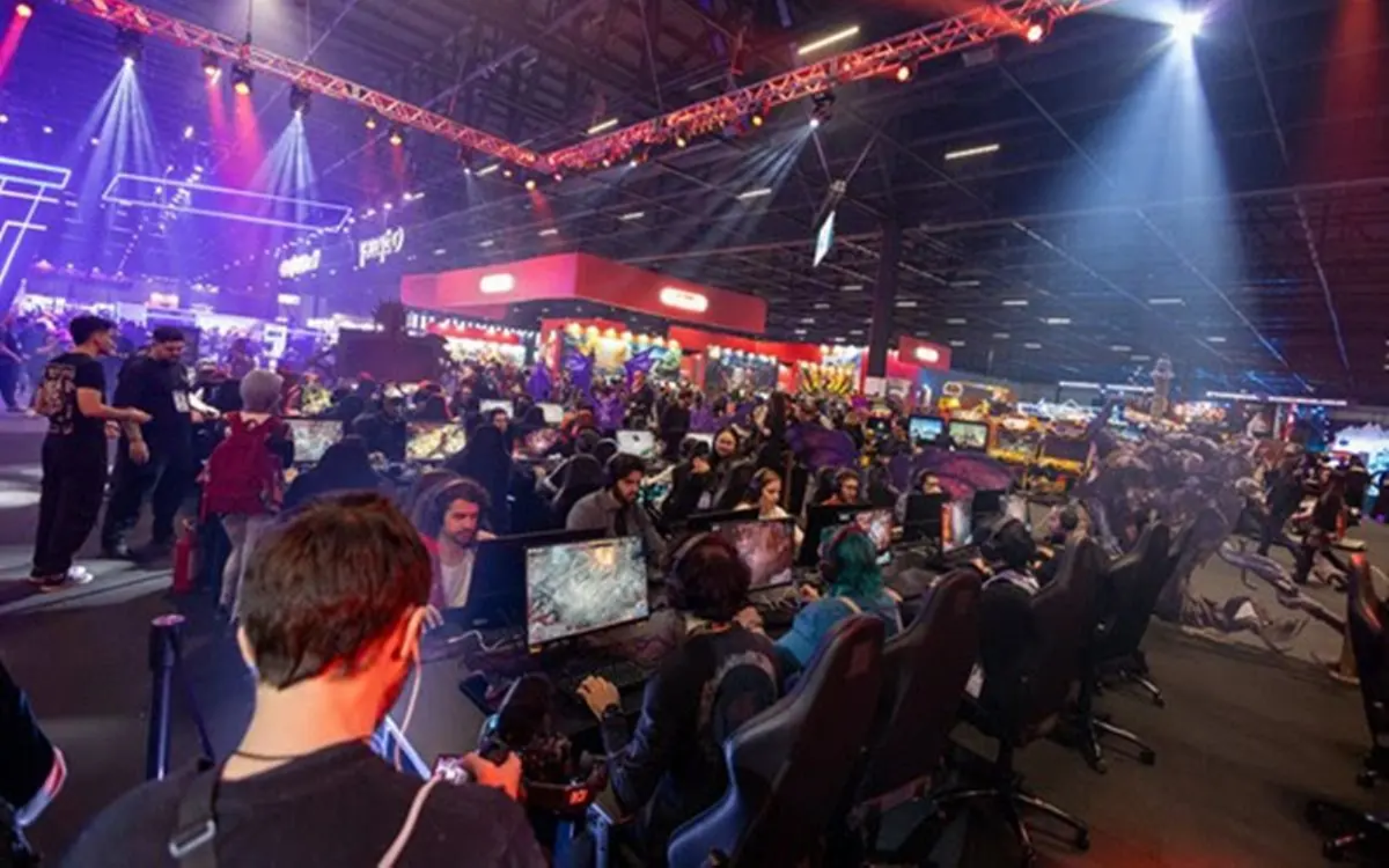
The Brasil Game Show (BGS) 2026 ran from October 9 to 12 at the Distrito Anhembi in São Paulo, delivering playable demos of highly anticipated titles, esports competitions and creator meetups — but the edition also drew attention for structural changes and a reduced presence of some major console manufacturers.
Playable demos from Nintendo, SEGA and Square Enix dominated
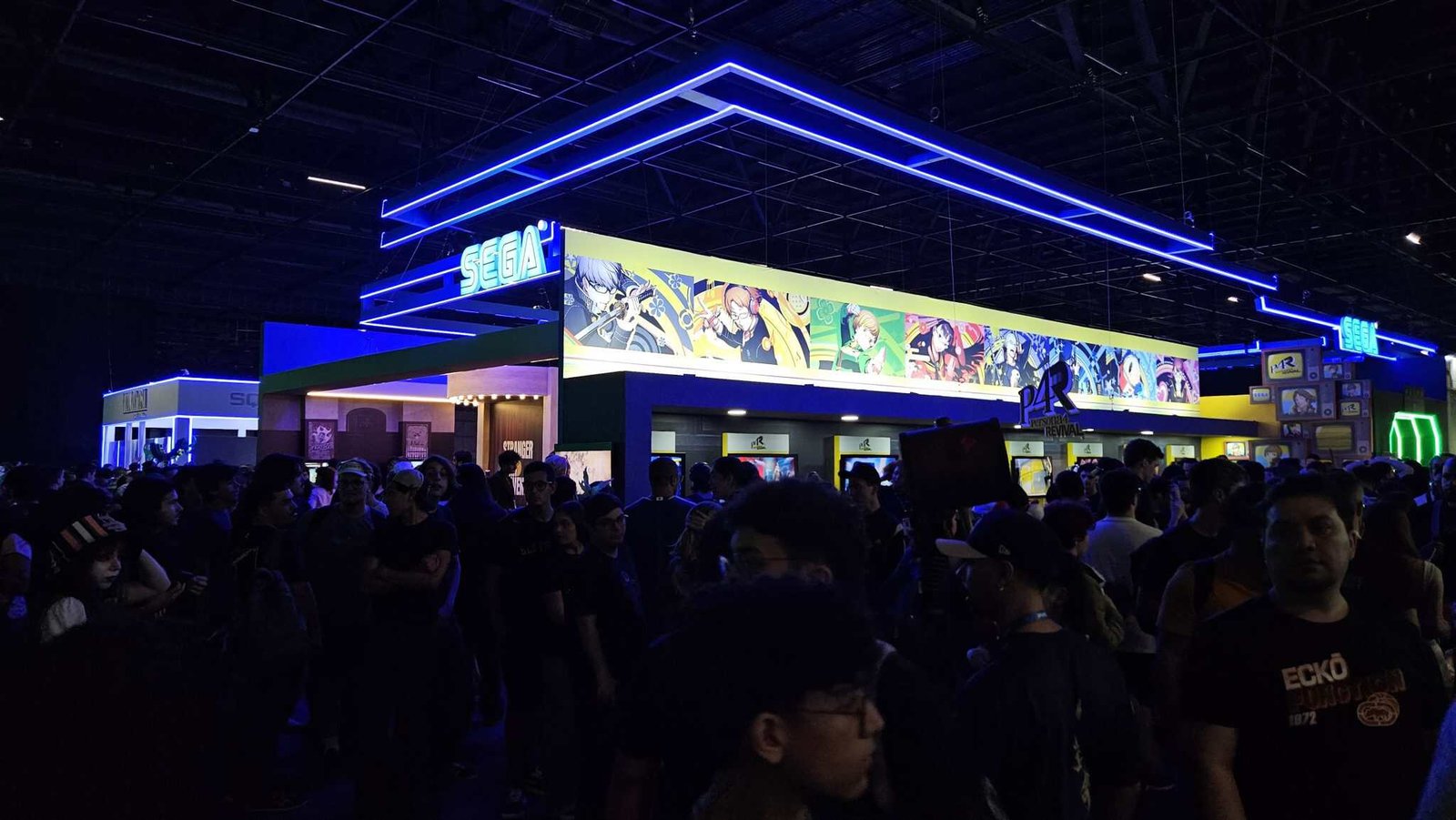
Publishers such as Nintendo, SEGA, Square Enix and Activision prioritized hands-on experiences, bringing playable builds that became central to the event’s programming.
SEGA’s exhibit featured a lineup of upcoming releases including Stranger Than Heaven, Persona 4 Revival, Alien: Isolation 2, Crazy Taxi: World Tour and Sonic Pico Park, offering visitors a range of action and multiplayer experiences.
Nintendo presented titles like Pokémon Pokopia, Donkey Kong Bananza, Super Mario Galaxy 1+2 and Nintendo Switch Sports Resort. A new collaboration between Nintendo, Activision and Monster Energy provided 36 demo stations for Call of Duty: Modern Warfare 4, which could also be tested on the Nintendo Switch 2.
Square Enix brought a playable demo of Final Fantasy VII Revelation — its first hands-on showing in Latin America — alongside Final Fantasy Resonance and an interactive replica of Cloud Strife’s Buster Sword.
High demand for certain demos produced long waits: reports cited that the Final Fantasy VII Revelation area had only five stations, creating queues that sometimes reached three hours for sessions lasting about five minutes.
Indie area showcased 70 games from 31 studios
The BGS Indie Area offered 70 games developed by 31 studios, broadening the event’s roster with titles outside the major publisher circuit.
Organizers presented independent projects across several genres, giving visitors an opportunity to explore smaller-scale productions.
However, some evaluations questioned the indie zone’s location and footprint within the venue, especially relative to how other attractions were distributed throughout the pavilion.
Fewer console booths and venue redistribution changed the layout
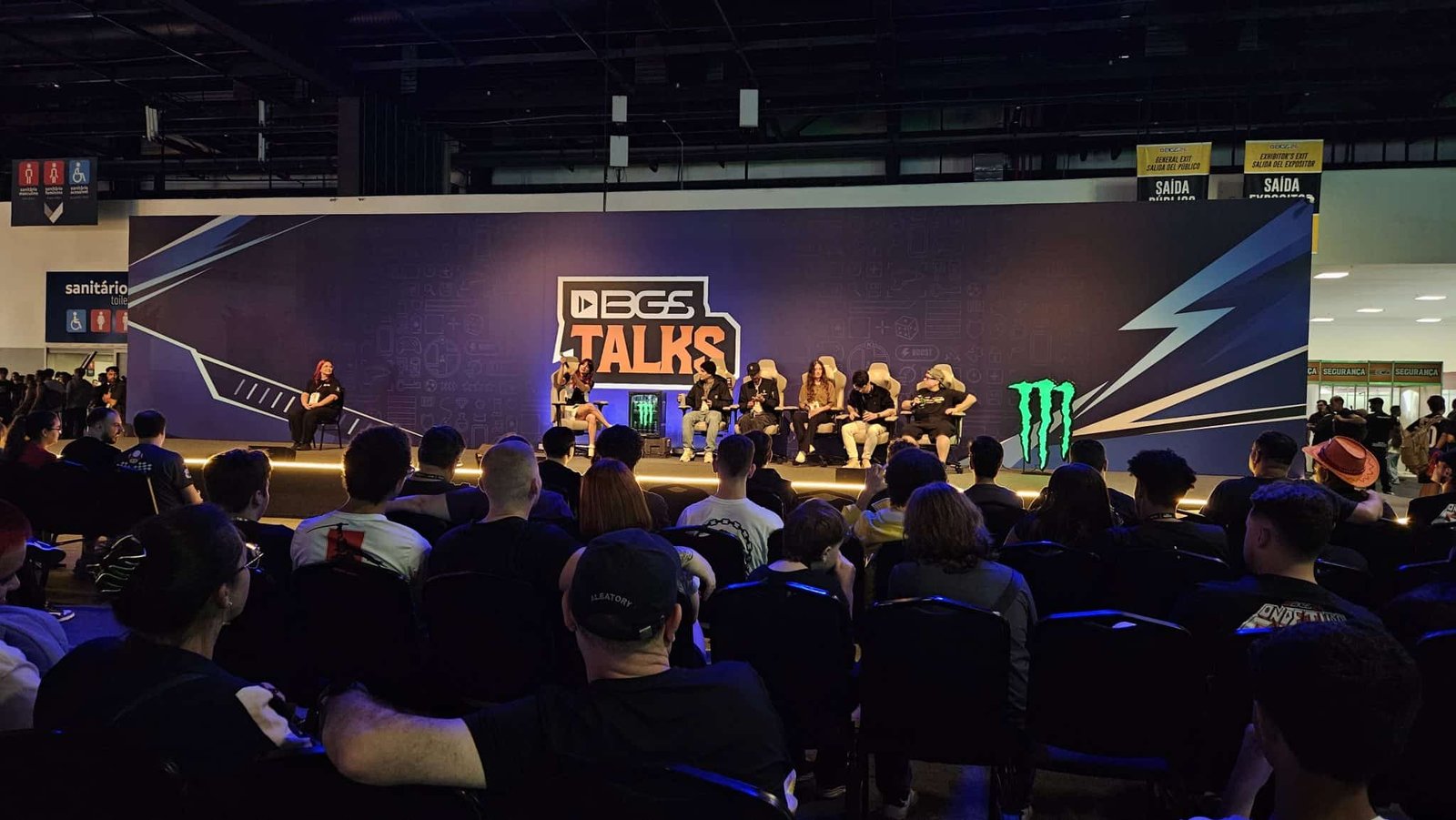
One conspicuous change at BGS 2026 was the reduced participation of traditional console and hardware manufacturers. PlayStation limited its presence mostly to an official merchandise store, while Xbox did not occupy a dedicated exhibition booth.
The pavilion’s layout also shifted: food areas claimed a larger portion of the floor, and spaces that had previously hosted large corporate stands were reassigned to other activities. Observers noted fewer promotional giveaways and activations compared with past editions.
These points were highlighted in assessments published by third parties, which described an edition with fewer large-company spaces despite the wide variety of playable titles available to attendees.
Traditional attractions and esports remained part of the program
Alongside new game demonstrations, BGS preserved several of its standard offerings. The Arena Arcade BGS occupied a 1,000 m² area and featured free arcade machines and virtual reality simulators.
The event hosted esports competitions, PlayStation-related tournaments, cosplay contests and parades, plus appearances by influencers and organizations such as Team Liquid, diversifying the experience beyond publisher booths.
Outlook for BGS 2027
BGS 2026 combined a relevant selection of playable and early-release titles with noticeable changes in venue configuration and exhibitor makeup. The organizers confirmed BGS 2027, and some initiatives linked to the next edition were already underway during this year’s event.
The next show offers an opportunity to attract greater participation from major companies and to reconsider how the pavilion’s spaces are allocated, while keeping playable demos as a core attraction for visitors.