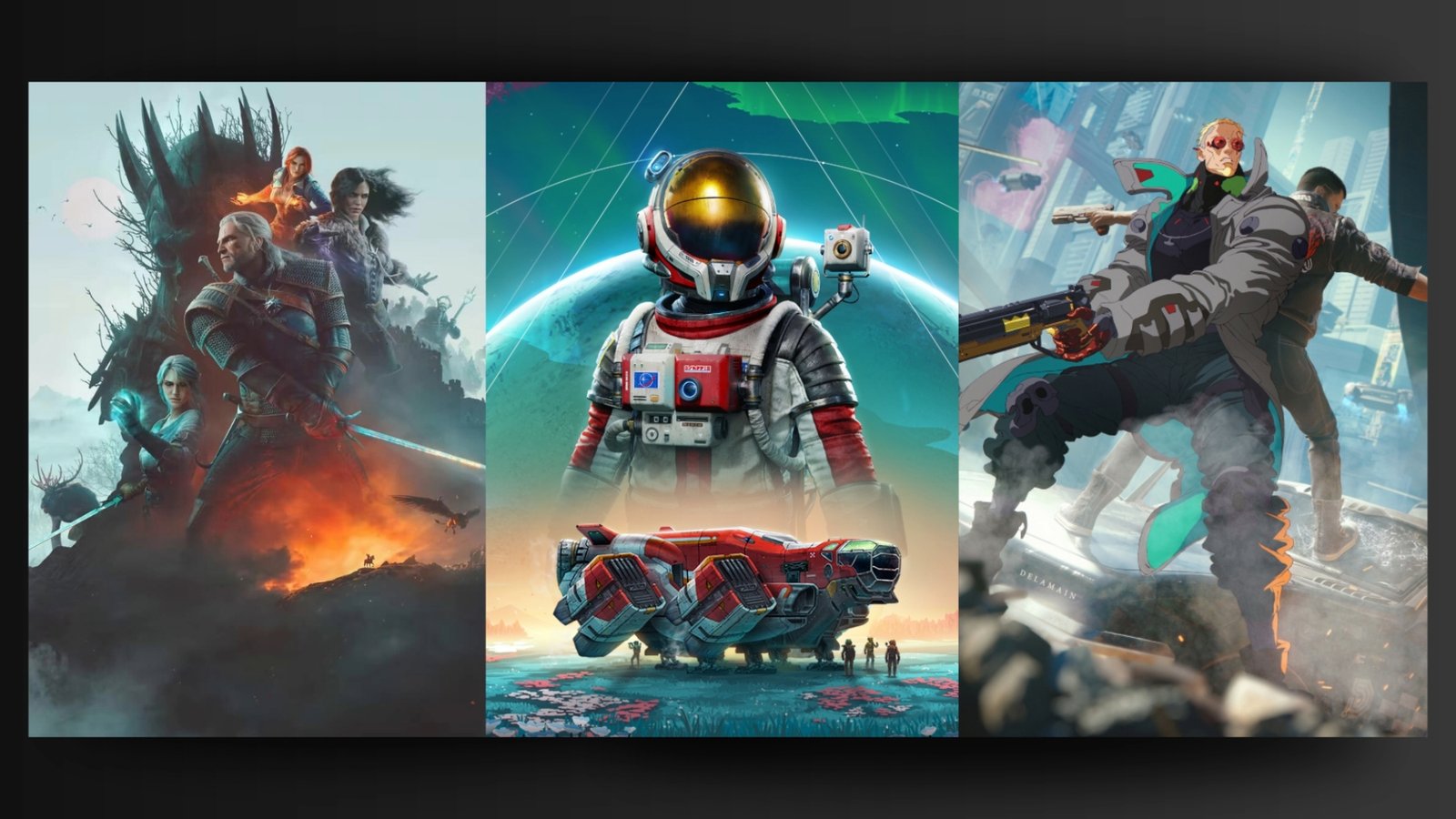
On September 29, 2026, CD Projekt released a full remaster of The Witcher 3: Wild Hunt—including both expansions—at no additional cost to existing owners, a move that helped the game reach 137,724 concurrent players on Steam days later, surpassing its previous peak of 103,329 from January 2020. The remaster delivered the franchise’s highest concurrent-player peak more than eleven years after the original release.

Why the remaster was free
CD Projekt’s co-CEO Michał Nowakowski said the remaster emerged unexpectedly during work on the Songs of the Past expansion, planned for 2027. In an interview published September 1, he explained that efforts to modernize the decade-old title grew from small improvements into a full remaster. When asked about monetization, Nowakowski said the team “never thought that way,” framing the remaster as a gift to players who already owned the game.
Producer Joanna Wieliczko-Masios reiterated that intention in an interview with the Epic Games Store, saying the studio always wanted the upgrade to be free. To present the remaster fully, CD Projekt included Hearts of Stone and Blood and Wine with the free update, so players who previously owned only the base game received the expansions at no extra charge. The paid component remains the upcoming expansion, which will fund part of the project’s commercial side.
No Man’s Sky: decade of free growth
No Man’s Sky, released August 9, 2016, endured a troubled launch but has since delivered more than 40 major free updates. In a PlayStation Blog post, Sean Murray summarized the studio’s additions: base building, exocraft, settlements, mechs, pets, living ships, expeditions, and multiple universe rebuilds.
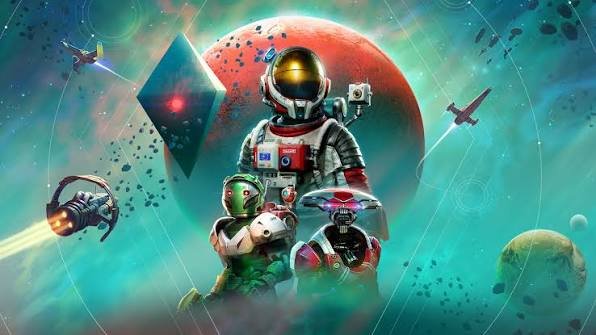
In a GamesRadar interview, Murray said he does not want to charge for those expansions, acknowledging the studio could likely have earned more through paid DLC or microtransactions but that he prefers not to pursue that route. He framed free updates as central to the studio’s creative process: the team enjoys working on content knowing “everyone will experience it.”
The size of Hello Games has influenced that choice. The team began with about six people, grew to 15 at launch, and today works with roughly 12–20 developers on No Man’s Sky alongside other projects like Light No Fire. The steady stream of free updates appears to have helped restore player trust after the rocky debut; the most recent major free update, Cosmos, launched September 9 and is available to all players across platforms.
Cyberpunk’s ongoing recovery
Cyberpunk 2077 followed a different arc. The game’s 2020 launch left a reputation the studio has been trying to repair. Nowakowski told Edge’s Knowledge newsletter (reported by GamesRadar on June 19) that he is not “100% convinced” the studio has completed its redemption arc, and he acknowledged that some players may have permanently lost faith.
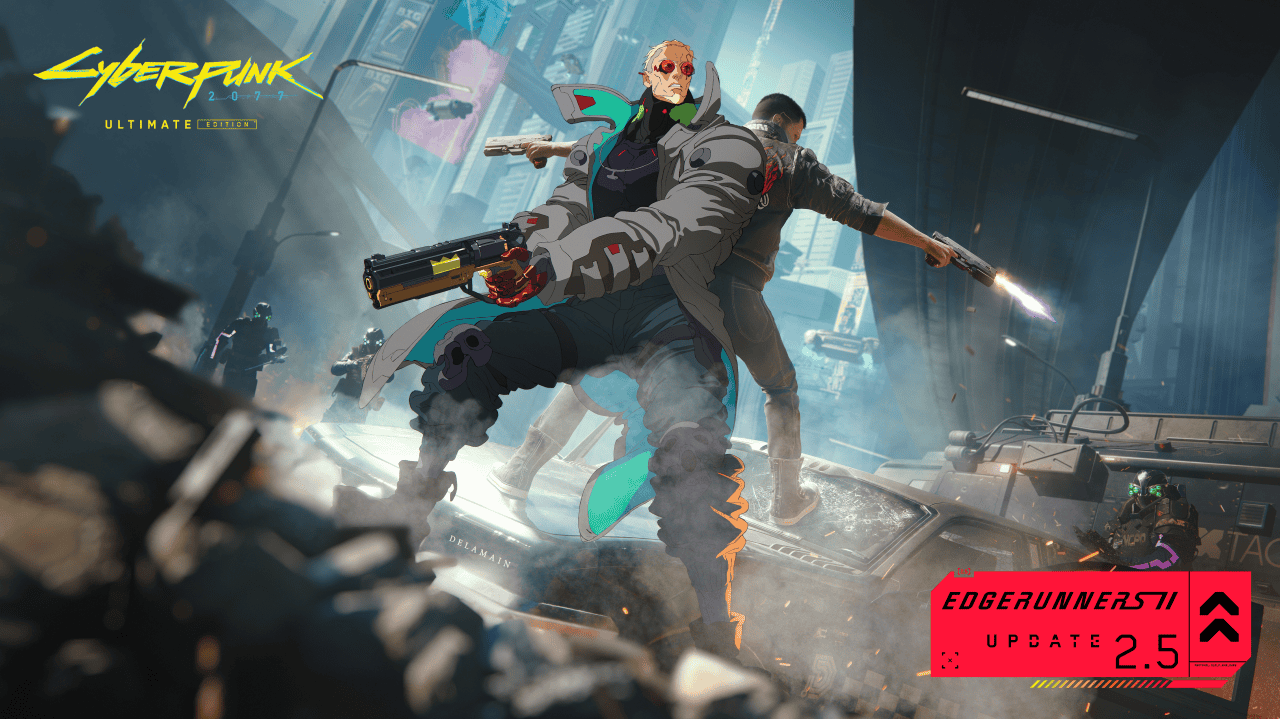
Still, CD Projekt released the Edgerunners 2 (2.5) update on Thursday, September 22, at no cost. The free update added two side missions—Repression and Welcome to Paradise—and the Double Trouble perk, which allows wielding two pistols or two revolvers from the Power category. The free update arrived amid renewed interest tied to the Edgerunners anime and promotional activity, with the game exceeding 100,000 concurrent players in July, its best performance since 2023 according to reporting that connected the surge to the anime’s second season and a Steam sale.
The company reports that Cyberpunk has sold more than 40 million copies and that the Phantom Liberty expansion sold 15 million copies. Those paid elements form part of the studio’s commercial picture even as free updates aim to rebuild player goodwill.
How studios fund free updates
Offering significant free content does not mean foregoing revenue. In the first half of 2026, CD Projekt reported revenue of 435 million zlotys—up 23% year over year—and net profit of 249 million zlotys, a 37% increase. Much of the rise came from intellectual property licensing, which grew from 9.4 million to 94.8 million zlotys, while Cyberpunk’s own revenue fell 4% and The Witcher’s rose 10%, according to the company’s results presentation. The Witcher 3 has sold over 65 million copies.
CD Projekt’s approach, as described by Nowakowski, is to treat the base game upgrade as a free gift that drives interest while monetizing expansions. Hello Games, by contrast, prioritizes keeping the entire player base together on a single evolving game world by avoiding paid fragmentation.
Free updates as strategy, not charity
These studios frame free major updates not as philanthropy but as strategic investments in player trust and long-term engagement. CD Projekt’s free remaster brings new and returning players into The Witcher 3, potentially increasing sales of the paid Songs of the Past expansion in 2027 and future titles such as The Witcher 4, scheduled for 2028.
For Cyberpunk 2077, free updates like 2.5 contribute to the studio’s ongoing effort to regain credibility after the 2020 launch and to connect newcomers drawn by the Edgerunners anime. Hello Games has made free updates the defining identity of No Man’s Sky, aiming to keep its community united rather than segmented by paid DLC.
In all three cases, studios provide meaningful content without charging existing players, while pursuing revenue through expansions, licensing, and other paid channels. The result is a model where players receive significant additions at no extra cost, and studios sustain long-term engagement and commercial opportunities.