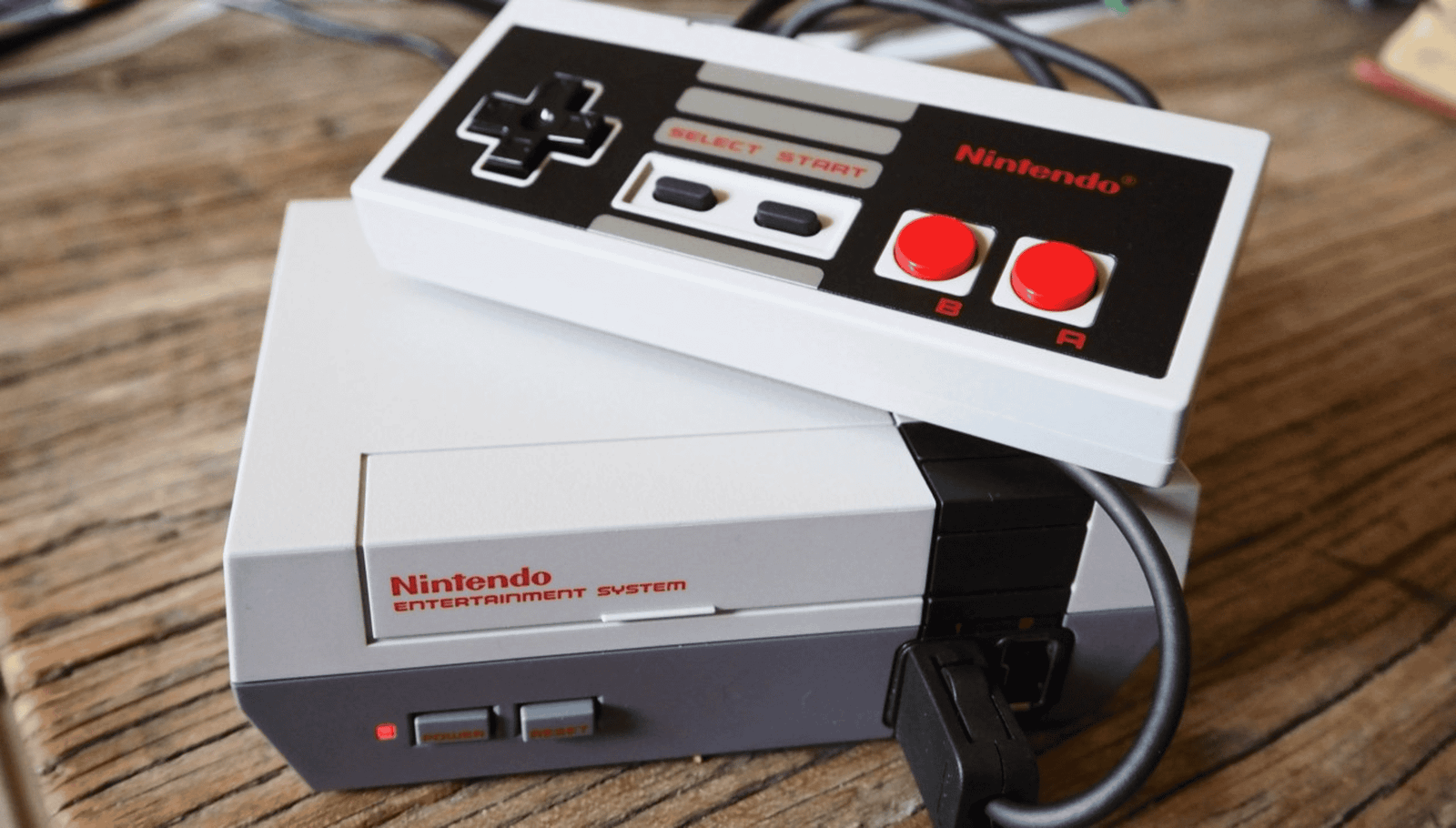
Released in Japan in 1983 and in North America in 1985, the Nintendo Entertainment System (NES) revived the video game industry and set standards that still influence design today. This list presents ten NES titles that shaped genres, introduced enduring characters and left technical or design legacies that persist in modern games.
Why these NES games matter
Each selection below exemplifies either a breakthrough in gameplay, storytelling, technical achievement or cultural impact. Together they trace how the NES library helped define platforming, action-adventure, run-and-gun combat and early action-RPG elements during the 8‑bit era.
1. Super Mario Bros. (1985)

Often credited with rescuing the industry, Super Mario Bros. established a template for side‑scrolling platformers. Players guide Mario and Luigi across the Mushroom Kingdom through carefully designed stages that emphasize tight controls, progressive challenges and memorable melodies. The game’s pacing and level structure became the benchmark for future platform titles.
2. The Legend of Zelda (1986)
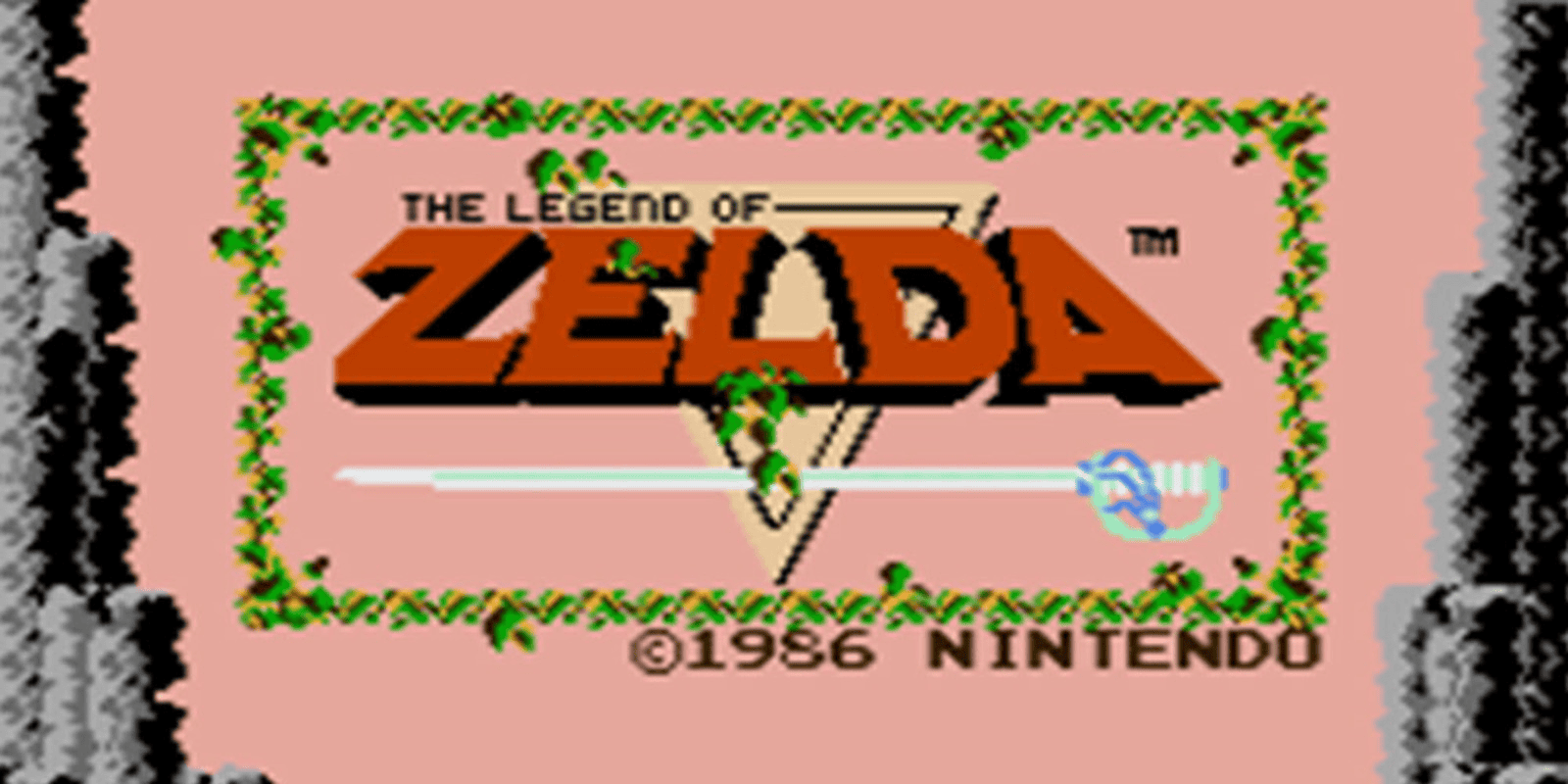
One of the earliest open‑world adventure experiences on the NES, The Legend of Zelda allowed exploration of Hyrule with a sense of freedom uncommon at the time. Its implementation of collectible items, puzzle solving and an emergent navigation system helped define action‑RPG mechanics. The title introduced Link and Princess Zelda and launched a long‑running franchise.
3. Metroid (1986)
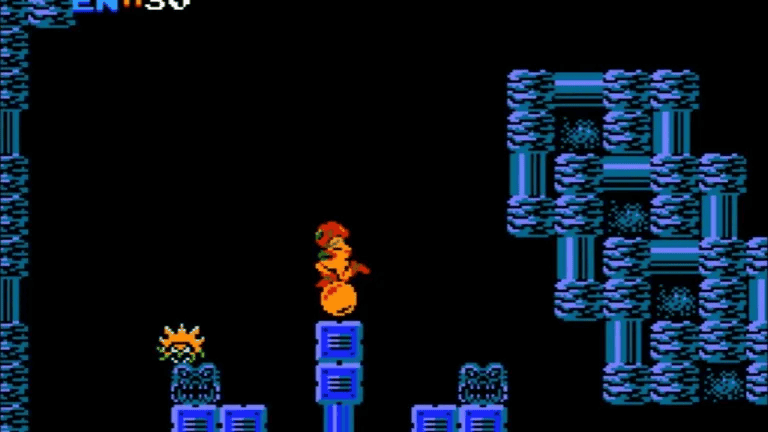
Metroid delivered a darker sci‑fi tone and a sprawling, interconnected world that rewarded exploration and backtracking. Featuring Samus Aran as a strong protagonist, the game emphasized atmosphere and discovery over linear progression. Its structure and design principles contributed to what would later be called the “Metroidvania” subgenre.
4. Mega Man 2 (1988)
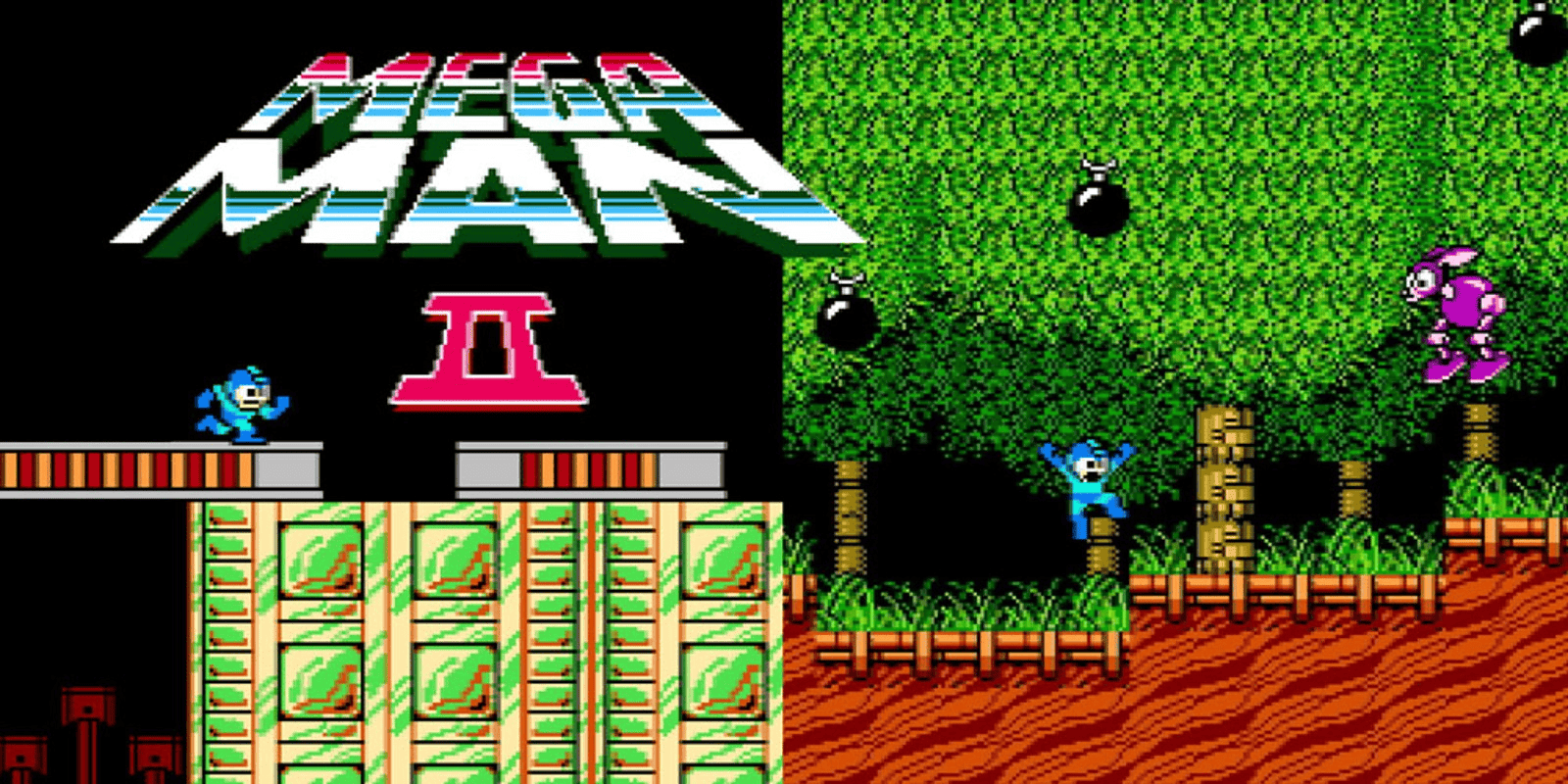
Mega Man 2 refined the series with precise controls, well‑balanced stages and a standout soundtrack. The game popularized the mechanic of selecting boss order, where defeating one boss grants a unique weapon useful against others, creating strategic choices and replay value that were innovative for the platforming/action genre.
5. Castlevania III: Dracula’s Curse (1989)
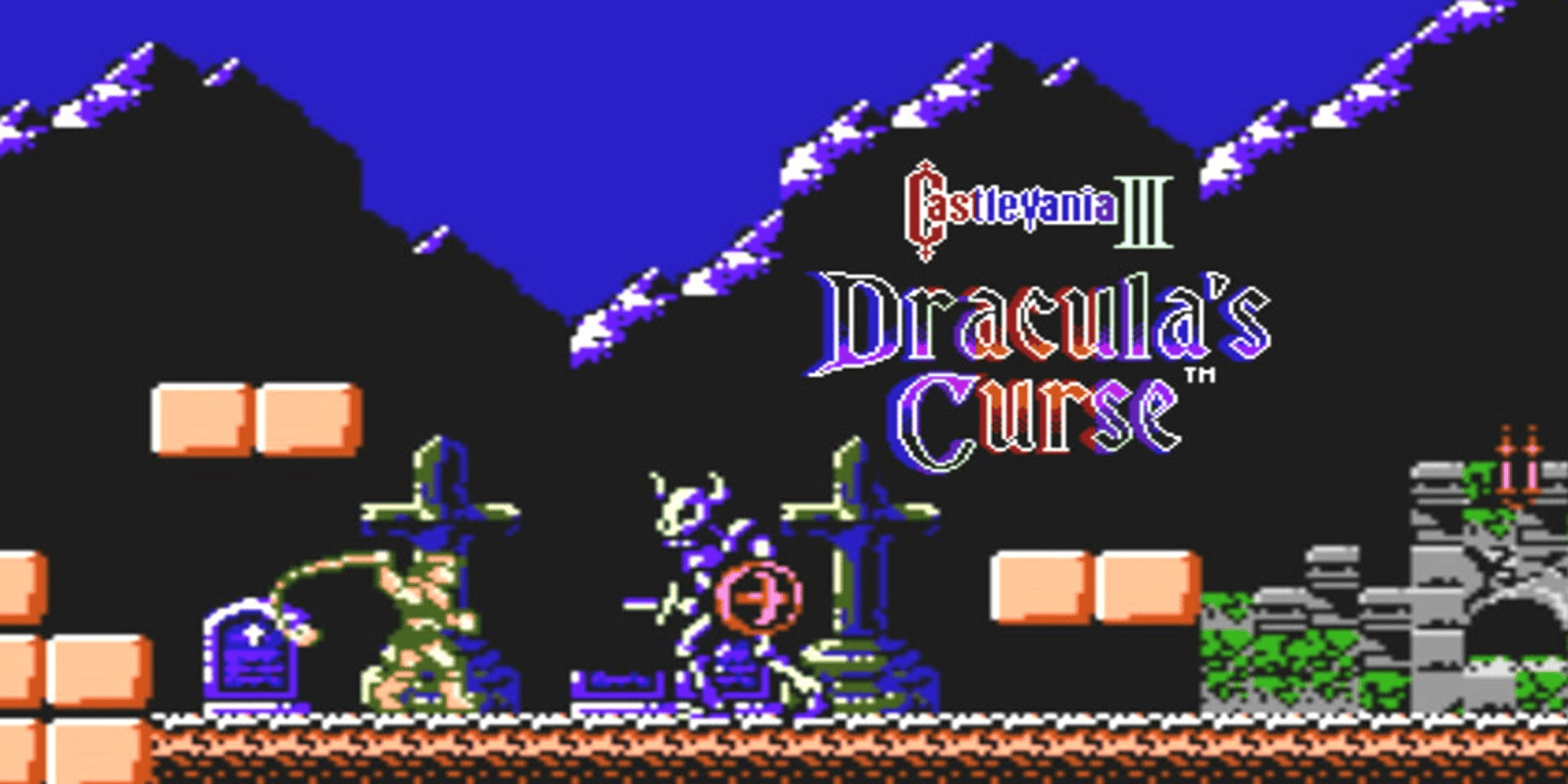
Castlevania III expanded the franchise with impressive graphics for the system, a brooding soundtrack and multiple branching routes. Players could select different playable characters, each with distinct abilities, adding tactical variety. The title pushed the series’ gothic aesthetic and influenced later action‑platformers.
6. Contra (1987)

Contra is a high‑intensity run‑and‑gun shooter known for its demanding difficulty and cooperative two‑player mode. Players face waves of enemies across diverse environments, and the game’s legacy includes an iconic cheat code that granted extra lives. Contra helped popularize cooperative play on the NES.
7. Punch-Out!! (1987)
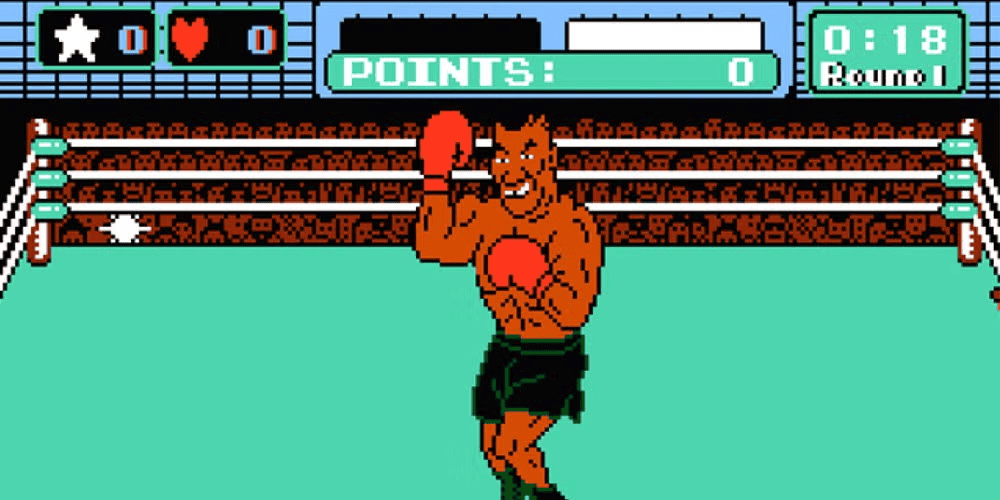
Punch‑Out!! combined reflexes and pattern recognition in a boxing framework. Players control Little Mac as he confronts a roster of distinctive opponents, each with predictable attack cues that must be studied and countered. The title’s escalating difficulty and memorable characters made it a standout in sports and skill‑based games.
8. DuckTales (1989)
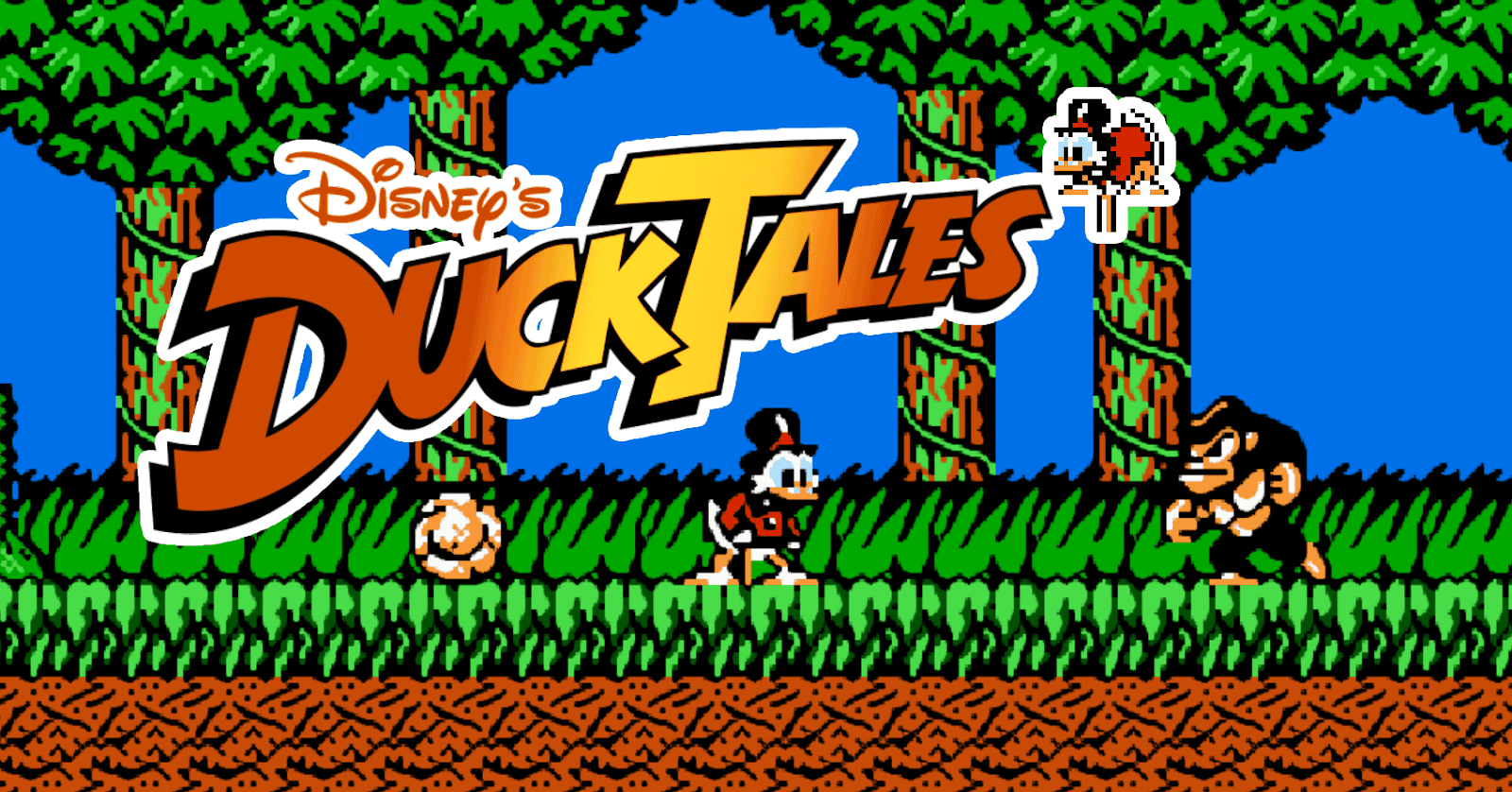
Based on the Disney animated series, DuckTales charmed players with colorful stages, an energetic soundtrack and inventive mechanics—most notably Scrooge McDuck’s cane jump. Its level design encouraged creative exploration, and the game’s popularity endured well beyond its release, including a later remaster.
9. Ninja Gaiden (1988)
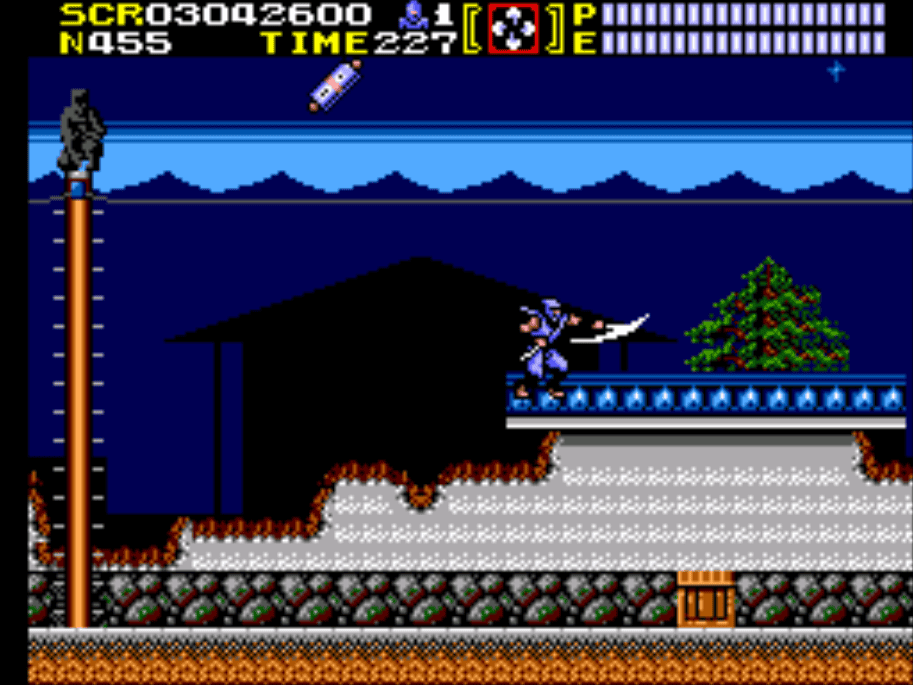
Ninja Gaiden is remembered for its challenging action gameplay and cinematic storytelling. Following Ryu Hayabusa on a quest for vengeance, the game integrated cutscenes that elevated narrative presentation for the platform. Tight controls and tough enemy encounters established it as a cult classic among NES action titles.
10. Super Mario Bros. 3 (1988)
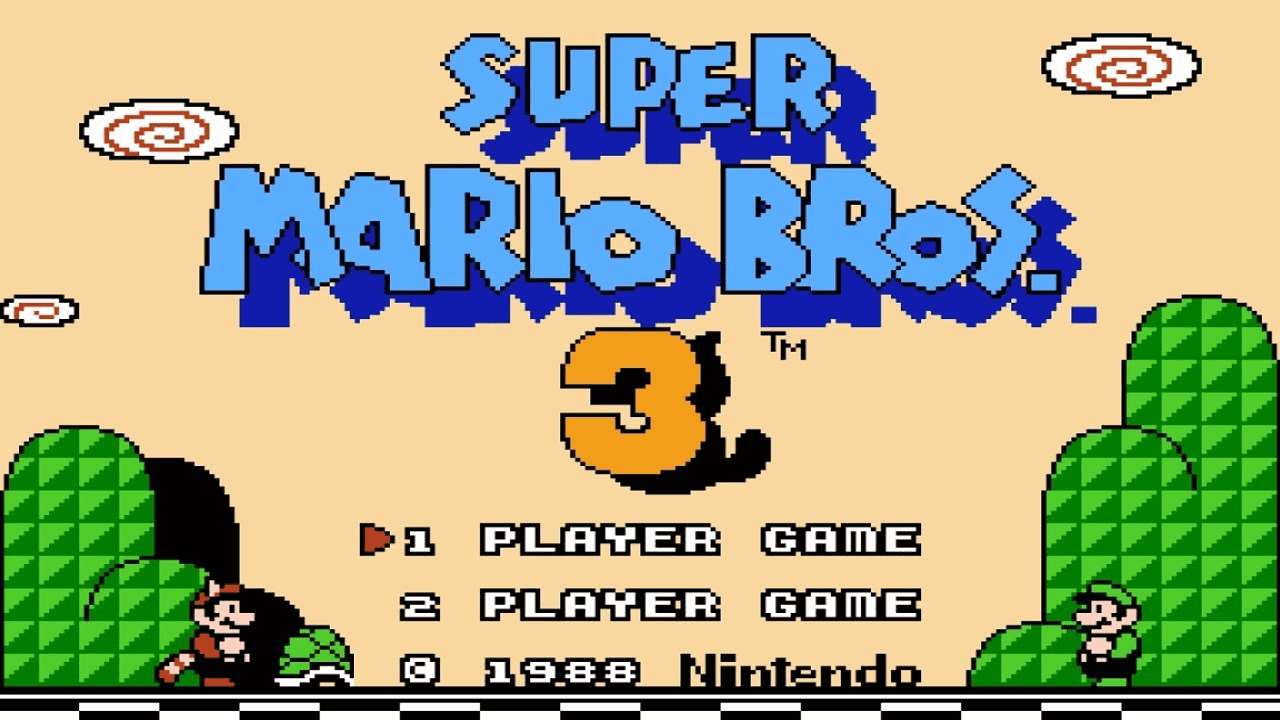
Considered by many as not only one of the best NES games but a pinnacle of the 8‑bit era, Super Mario Bros. 3 built on the original’s foundation with improved controls, expanded power‑ups, richer graphics and varied level mechanics. Its world map, diverse stage themes and polished design have made it an enduring reference for quality in platform games.