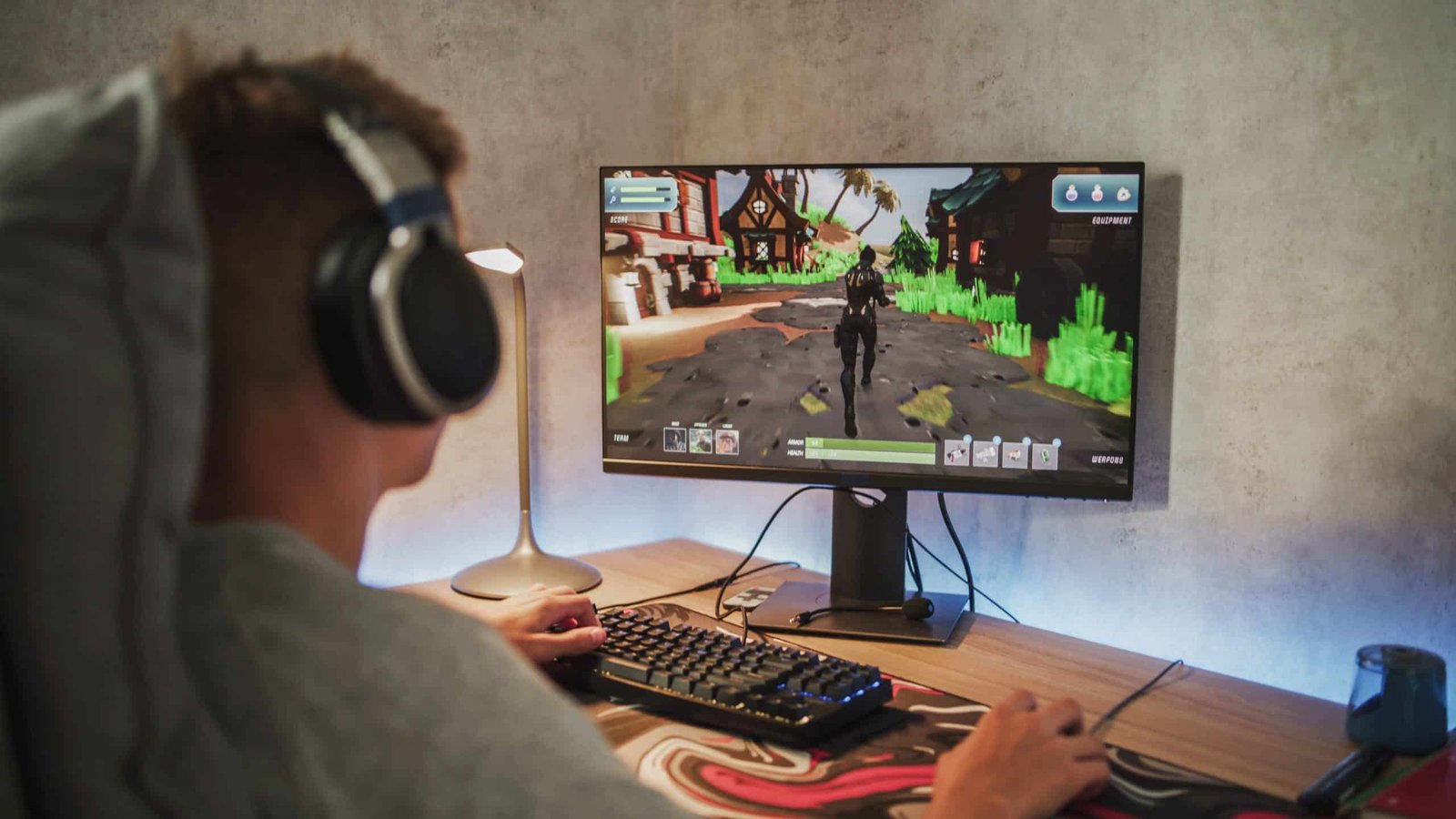
Using a VPN can improve online gaming by protecting your connection and expanding where you can play. A virtual private network masks your IP address, reducing the risk of direct-target attacks and helping maintain a stable connection during matches.
How VPNs protect against DDoS and targeted attacks
Distributed denial-of-service (DDoS) attacks often rely on knowing a player’s IP address to overwhelm their connection. When you route traffic through a VPN, your real IP is hidden from other players, which makes it much harder for an attacker to locate and target your network.
Preventing ISP throttling and maintaining speed
Some internet providers may slow down specific types of traffic, including gaming. Because a VPN encrypts and conceals the nature of your online activity, it can prevent your ISP from identifying and throttling your game data, helping preserve performance during play.

Accessing servers and games from other regions
A VPN lets you connect to servers in different countries, making online services believe you are located elsewhere. This enables access to regional game servers and titles that might not be available in your home country, expanding multiplayer options and content availability.
Device compatibility and recommendation
Surfshark is available for major platforms — Windows, Linux, macOS, Android and iOS — so you can use the VPN across consoles and PCs that support these systems. The service is recommended here for gamers seeking improved privacy, reduced risk of connection attacks and the ability to connect to foreign servers.
Pricing note
Surfshark plans are offered starting at R$ 10,99 per month.