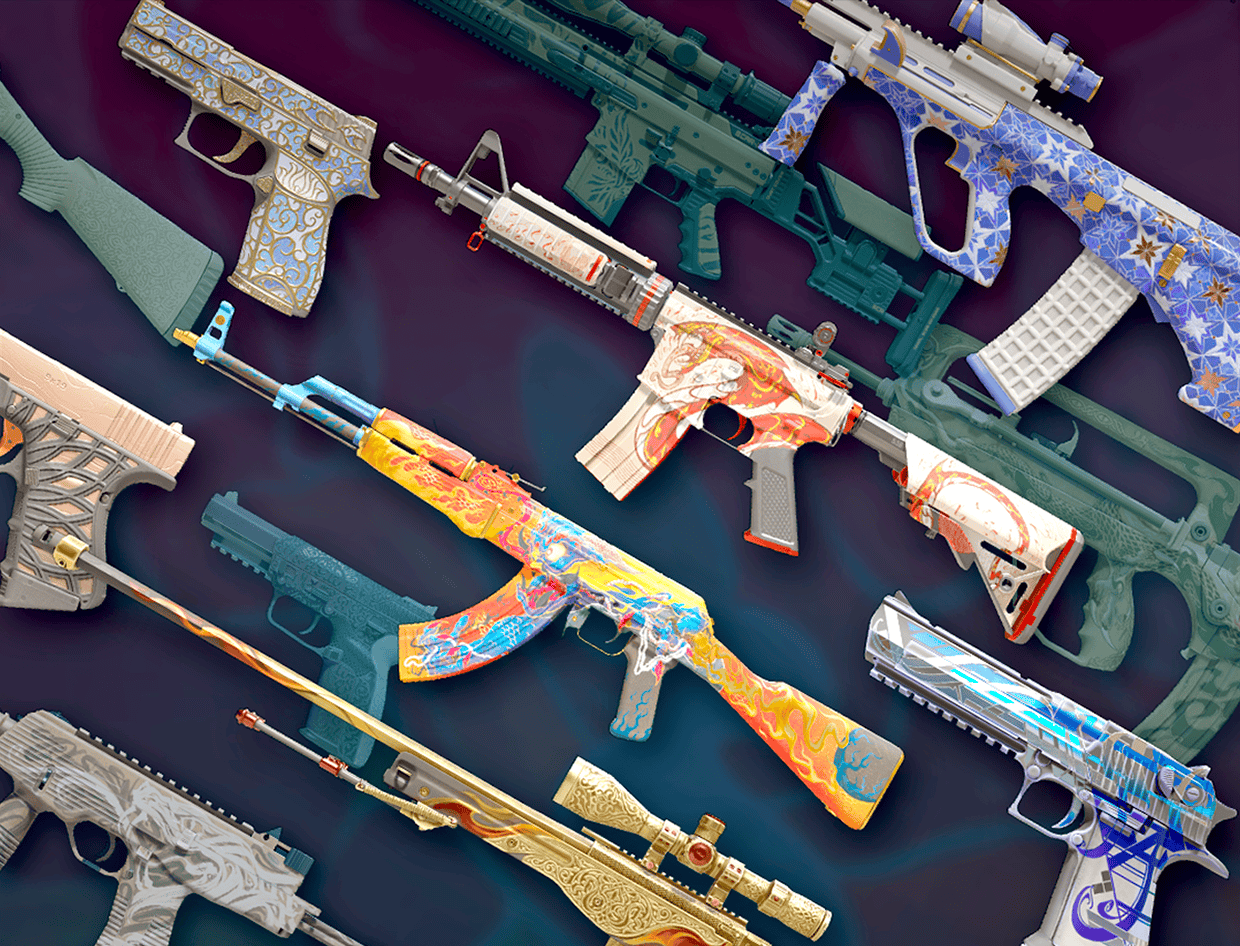
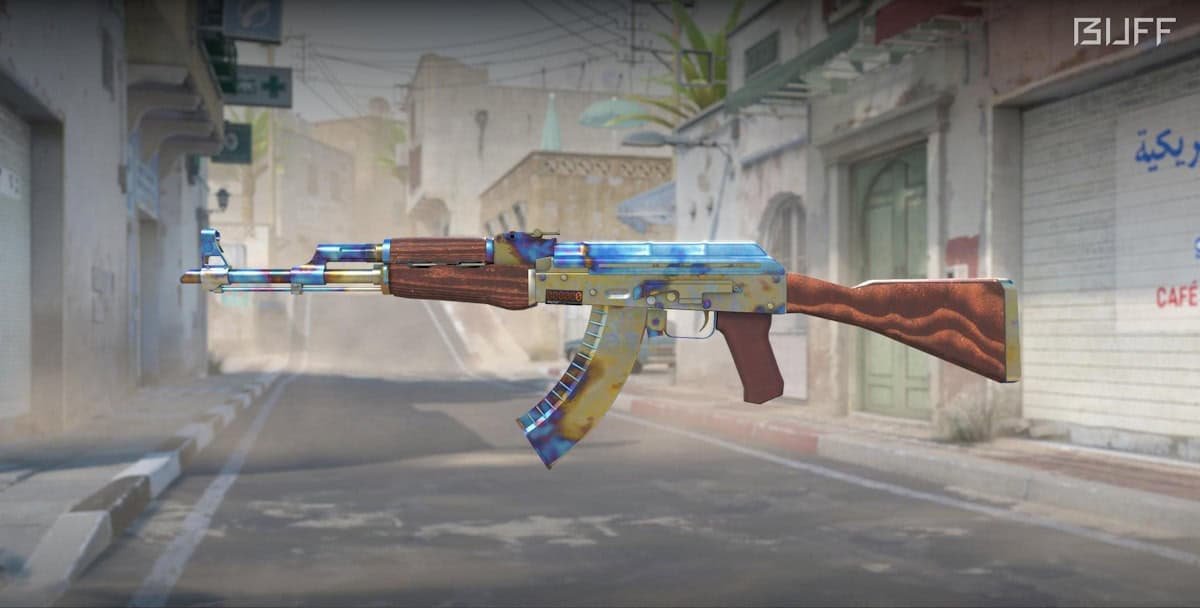
In June 2024, a StatTrak Factory New AK-47 Blue Gem Pattern 661 skin for CS sold for more than US$1 million, a transaction that exposed how rarity, visible status and third-party marketplaces can drive some in-game items to extraordinary prices.
Why a digital skin can reach seven figures
Scarcity is a primary driver. The odds of obtaining top-tier items are extremely low: the chance to get a knife or gloves is about 0.26%, while a specific pattern like the 661 is even rarer. Valve publishes official drop probabilities for cases, and discontinued cases further concentrate rarity by preventing new copies from entering circulation.
That rarity translates into social status within CS2’s competitive ecosystem. Rare skins are showcased in matches, tournaments and influencer streams, where owning an exceptional item confers prestige similar to luxury goods in the real world.
Pattern IDs, float values and collectible appeal
Beyond sheer rarity, each skin’s visual is determined by a pattern ID and a wear level known as float. Two items of the same skin can look distinct, and particular pattern/float combinations—often referred to by collectors as “perfect” variants—attract heightened interest and higher offers.
These dynamics are amplified by third-party marketplaces where users buy and sell skins and can withdraw proceeds to bank accounts. That ecosystem draws not only players but also investors and speculators who purchase skins expecting future appreciation, creating behavior comparable to art or stock markets.
The risks of treating skins as investments

Estimated valuations can differ substantially from realized sale prices. For example, a Karambit Case Hardened Pattern 387 has been appraised at up to US$2.5 million, with offers reported near US$1.5 million; the owner reportedly declined offers, valuing the item at US$2 million. Until a sale completes, such valuations remain theoretical.
Market liquidity and the difference between asking prices and transaction prices mean that high valuations do not guarantee that an owner can convert an item to cash at that level.
Developer actions can reshape the market overnight
Although Valve does not directly participate in every trade, the company retains decisive power to alter the market through product updates and policy changes. In July 2025, Valve released a new glove set from the Mão Morte collection; older gloves fell in value, with some losing around 30% amid the novelty effect. Valve also added a security feature allowing reversal of item trades within seven days if a user proves a hack or scam, a change that coincided with a market contraction of about US$600 million.
In October 2025, an update permitted players to trade five “covert” (red) weapons from the same collection for a knife or glove from one of the used collections. That mechanism caused most knives to lose significant value while covert weapons rose sharply. At the time, estimates put the skins market at roughly US$6 billion; following the change it reportedly dropped by about US$2 billion, producing large losses for market participants who treated skins as investments.
Structural fragility of the skins economy
These episodes illustrate how unilateral developer decisions—made without market circuit breakers, advance announcements or volatility controls—can rapidly revalue assets. The skins market lacks the regulatory or protective mechanisms common in financial markets, such as trading halts or pre-announcement windows.
Another structural concern is that ownership of a skin is tied to a live service game. A new game version could reduce a skin’s usefulness or visibility, and while total removal has not occurred yet, service discontinuation would effectively eliminate the market. Investors have no guaranteed compensation or reversal mechanisms beyond what the developer chooses to offer.
What underpins extreme prices—and why caution matters
The combination of scarcity, status signaling and speculative demand explains why some in-game items fetch seven-figure sums. Yet those same forces, coupled with concentrated control by the game developer and the absence of market protections, make this a highly volatile and risky market.
For those considering entering the skins economy, the evidence suggests exercising caution and recognizing that high appraisals do not equate to guaranteed liquidity or long-term stability.