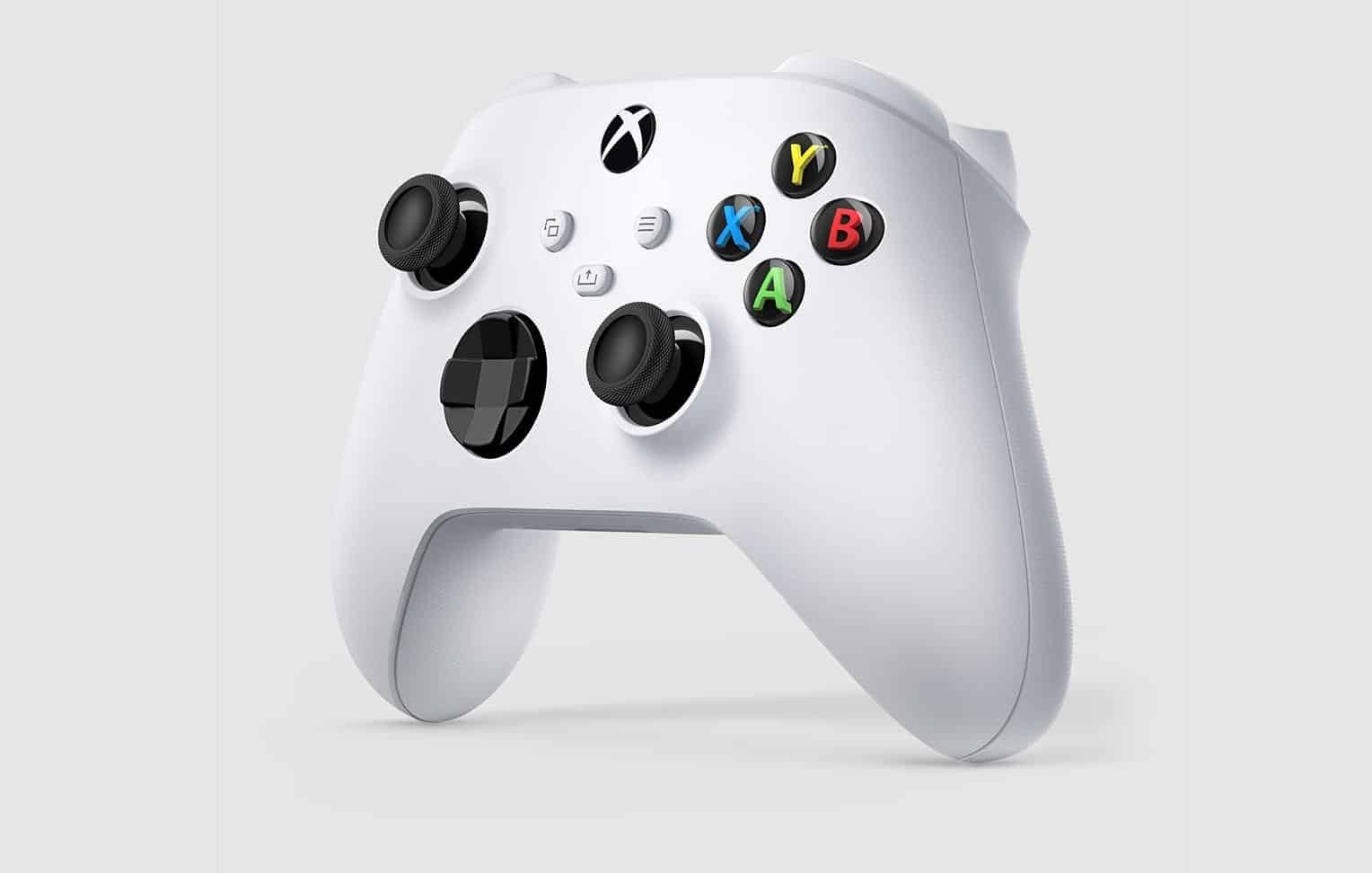
Microsoft says it intentionally preserved most of the previous controller’s design while making targeted improvements for comfort, accessibility and usability in the Xbox Series X and Series S controllers. According to the company, about 80% of the prior controller was retained and roughly 20% was changed to refine the player experience.
The company laid out the design rationale and development process in a post published on Medium, explaining why many elements remain familiar and which details were updated. Designers stressed that subtle changes were prioritized because players rely on muscle memory and are sensitive to alterations in control layout.
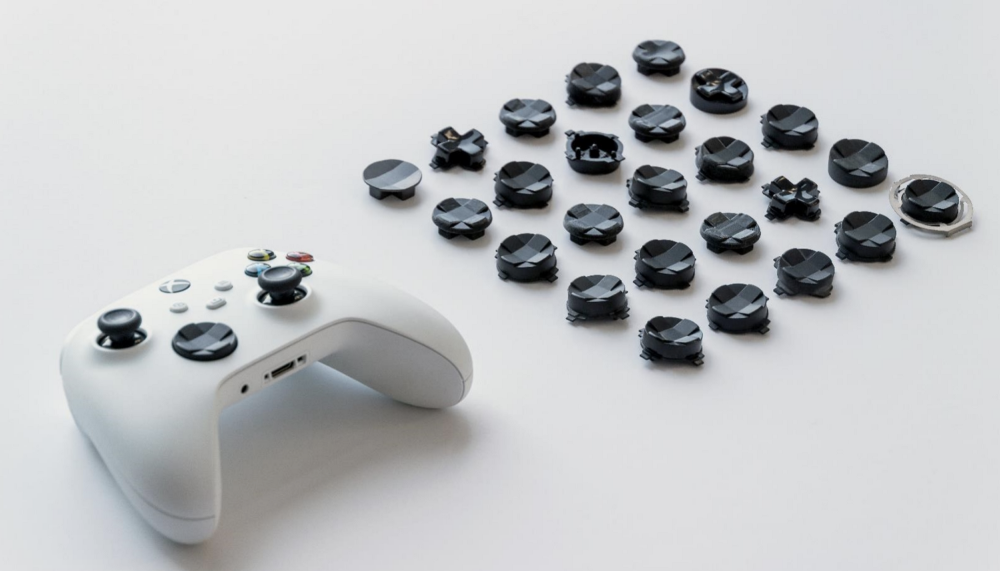
D‑pad redesigned after testing more than 100 options
The most visible change is the directional pad. Instead of the traditional cross used on the outgoing generation, Microsoft adopted a hybrid D‑pad inspired by its Elite controller: a design that blends a dish‑style face with a cross. The design team tested over 100 variations before selecting the final solution.
Designer Ryan Whitaker explained the choice by saying the hybrid option “combines the precision and tactile feedback of the traditional cross with easier diagonal access of the faceted dish,” balancing accuracy and ergonomic reach.
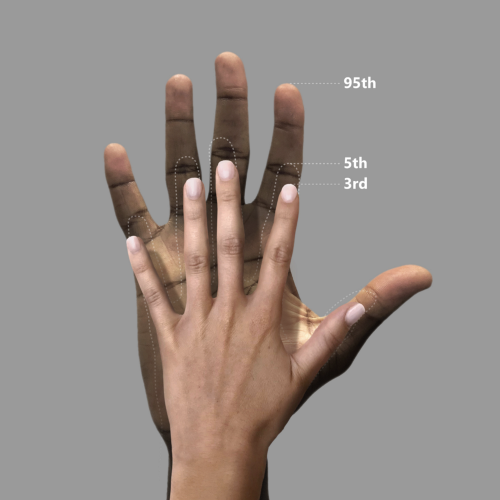
Ergonomic tweaks to include smaller hands
Although the controller’s overall silhouette appears similar, Microsoft adjusted dimensions and contours to increase accessibility. Previously the company designed for hand sizes between the 5th and 95th percentiles; the new controller expands that range down to the 3rd percentile to better fit many people with smaller hands.
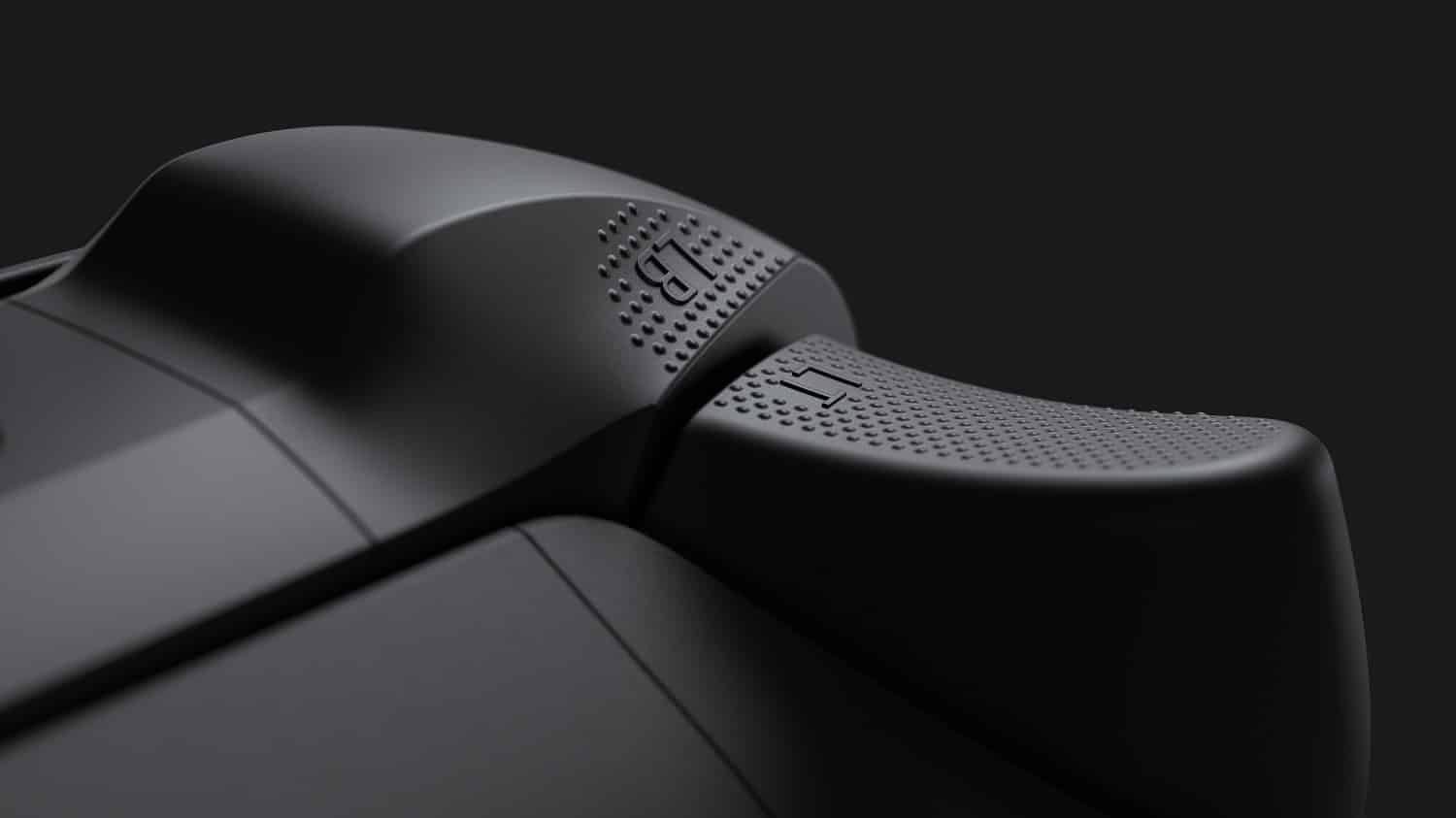
Designers determined simply scaling the controller down would harm ergonomics, so they instead altered specific features: rounding the bumpers (RB and LB), trimming parts of the triggers, and slightly modifying the grip profiles. Those subtle shape changes aimed to make the controller comfortable for a wider range of hand sizes without sacrificing ergonomic principles.
Feedback from playtests also influenced material and surface choices. Testers preferred matte surfaces for improved stability during long sessions, prompting Microsoft to apply matte finishes to triggers, bumpers and the D‑pad. The team added a dotted texture to the triggers to break surface tension with players’ hands, reducing heat buildup and sweat during play.
A dedicated share button to capture clips and screenshots
Microsoft introduced a dedicated share button on the new controller to simplify capturing gameplay highlights. In the previous generation, sharing required multiple presses of the central button; the redesign team decided a single, purpose‑built control would better match how players use social capture features today.
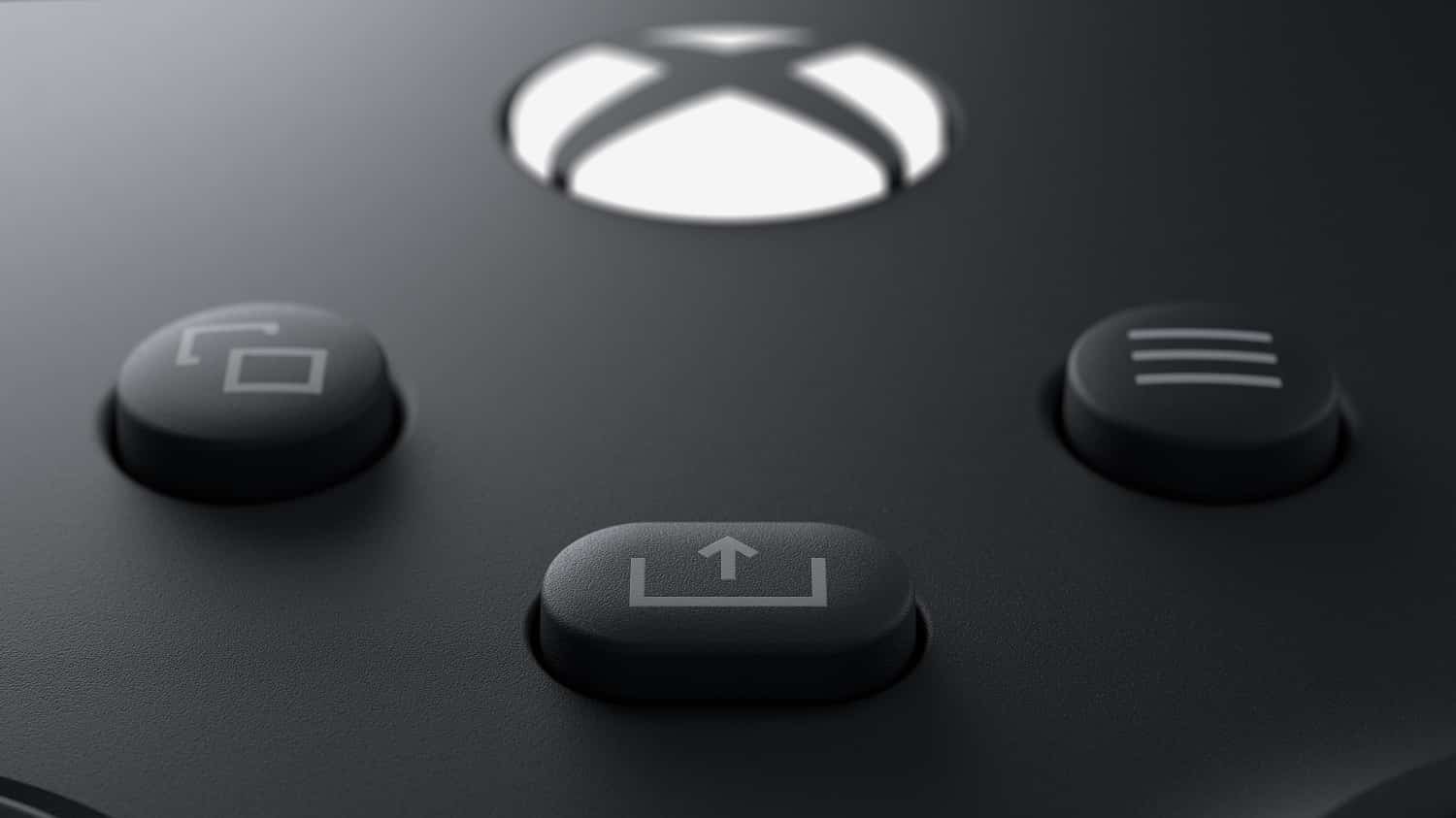
Whitaker noted that adding any new button is a deliberate decision: the team wanted the new control to be integral to how people play. The dedicated share button lets players record clips and take screenshots without relying on an on‑screen interface that interrupts the game.