The decision between the PlayStation 5, the Xbox Series family (Series X and Series S) and the Nintendo Switch comes down to what you value most: raw performance, exclusive games, subscription services, portability or price. Below is a breakdown of each console’s hardware, exclusive libraries, online offerings, special features and cost considerations to help you choose.
Hardware and performance
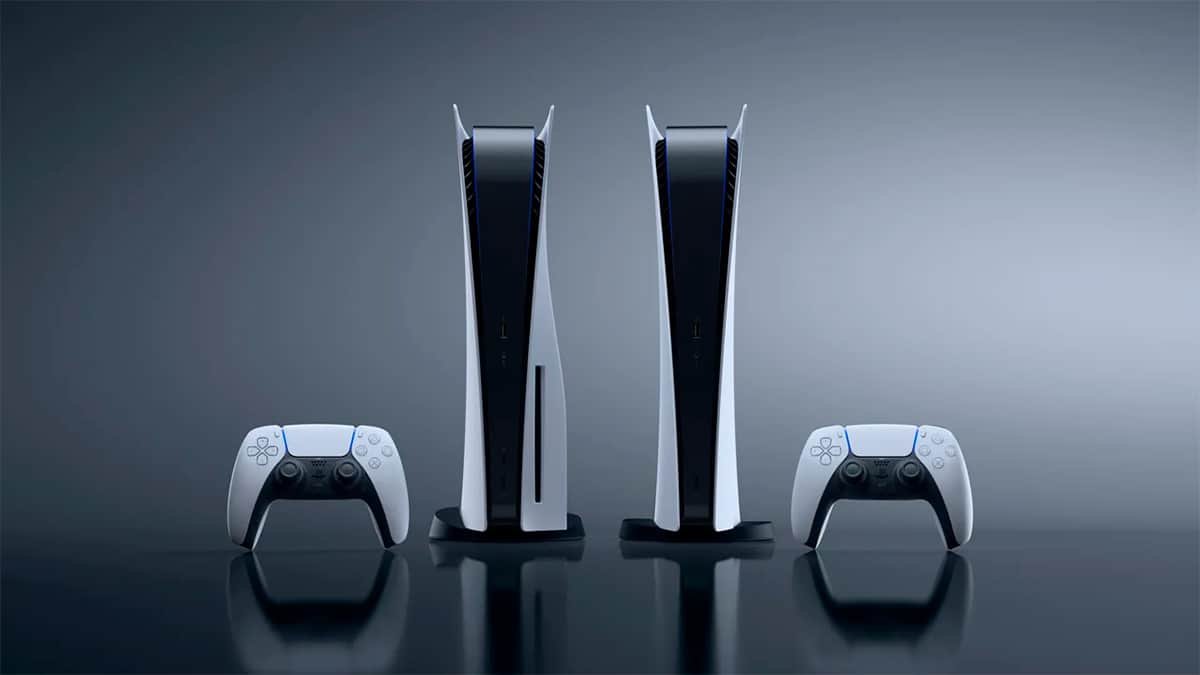
The PlayStation 5 is positioned as a high-performance machine, featuring an AMD Ryzen 8-core processor and an AMD RDNA 2 GPU that deliver high-quality graphics and reduced loading times. The Xbox Series X offers very similar specifications and aims for an equivalent high-end experience.
The Xbox Series S is also powerful but sits below the Series X and PS5 in raw performance. The Nintendo Switch has a different focus: it uses an NVIDIA Tegra processor and prioritizes portability and hybrid play over cutting-edge graphical power. In purely technical terms, PS5 and Xbox Series X lead, Series S is below them, and the Switch has the most modest hardware.

Exclusive games and libraries
Exclusive titles are often the deciding factor. The PS5 hosts major exclusive franchises such as God of War, Horizon and Gran Turismo, which attract players to Sony’s platform.
Xbox Series consoles also offer exclusives like Forza and Halo, but Microsoft’s approach has increasingly meant titles appear on PC as well and many day-one releases are available through Xbox Game Pass and cloud streaming, blurring traditional console exclusivity.
Nintendo Switch stands out with a unique catalog of first-party franchises—most notably Super Mario and The Legend of Zelda—whose exclusivity has driven many players to choose the Switch despite its lower hardware specs.
Online services and community
Online ecosystems differ across platforms. PlayStation Network (PSN) provides online multiplayer, monthly free games and member discounts. On PS5, PlayStation Plus also includes the PlayStation Plus Collection, which grants access to a selection of notable PS4 titles.
Xbox Game Pass on Xbox Series offers subscription access to a large library of games, including first-party releases and many third-party titles, and integrates with cloud gameplay. This subscription model changes how players access and discover games compared with traditional purchase models.
Nintendo Switch Online delivers online play and a rotating library of NES and SNES classics. It is generally more affordable, but its overall package and features are typically viewed as less extensive than PSN’s and Xbox Game Pass Ultimate’s offerings.
Unique features and controls
The PS5 brings advanced features such as 3D audio for immersive sound and the DualSense controller’s haptic feedback and adaptive triggers, which add tactile layers to gameplay.
Xbox Series includes features like Smart Delivery, which automatically provides the best version of supported games for the console you own. Xbox controllers are widely praised for ergonomic design.
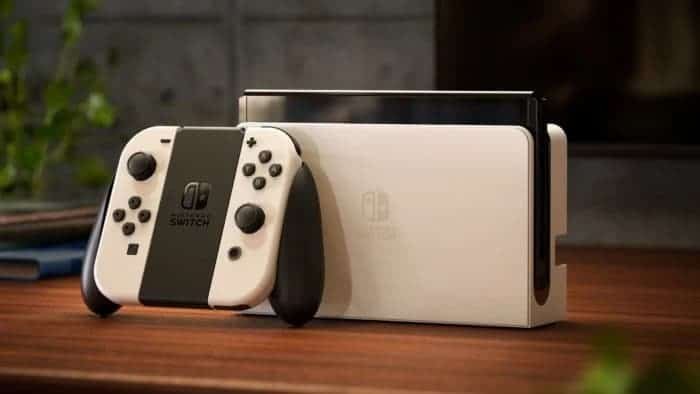
The Nintendo Switch’s defining feature is its hybrid design: it works as a home console on a TV and as a portable handheld. Joy-Con controllers offer flexible control options and strong local multiplayer capabilities, making the Switch a go-to for social and on-the-go play.
Price, models and accessories
Price influences many buying decisions. PS5 and Xbox Series X typically sit in the same higher price bracket. The Switch is generally more affordable and also comes in variations: the standard model, the OLED model (which offers an improved portable display experience), and the Switch Lite, a less expensive, handheld-only version.
The Xbox Series S is a lower-cost, all-digital alternative to the Series X; it lacks a physical media drive and has reduced graphical power but is positioned as a strong budget option. Console prices can vary with included storage and bundled games, so consider those factors when comparing costs.
Also account for accessories—additional controllers, external storage and other peripherals—and check compatibility and availability for the console you choose.
Which console fits your needs?
If exclusive single-player franchises and next-generation controller features matter most, the PS5 is a strong choice thanks to its library and DualSense innovations. The PS5 is noted as one of the more expensive consoles, including in its disc-less configuration.
The Nintendo Switch appeals when portability, unique first-party exclusives and flexible multiplayer are priorities. The OLED model enhances the portable view, while the Lite provides a lower-cost handheld-only option.
Xbox Series consoles can offer significant value when paired with Xbox Game Pass, providing access to thousands of games — including back catalogs from Xbox One, Xbox 360 and the original Xbox — without needing to purchase each title. The Series S offers a budget-friendly entry point for digital-only play.
Decide based on priorities
There is no single best console for everyone. Consider whether you prioritize raw performance, specific exclusive franchises, subscription access to large libraries, portability or the most affordable entry price. Match those priorities to the hardware, exclusives and services described above to determine which system suits your gaming habits.