Dungeon crawler games emphasize exploring labyrinthine dungeons filled with monsters, traps and treasure, combining combat and strategy as players progress through mapped or procedurally generated environments.
Origins and early influences
The term “dungeon crawler”—literally a tracker of dungeons—derives from tabletop role-playing traditions, where groups explore subterranean complexes under a game master’s direction.
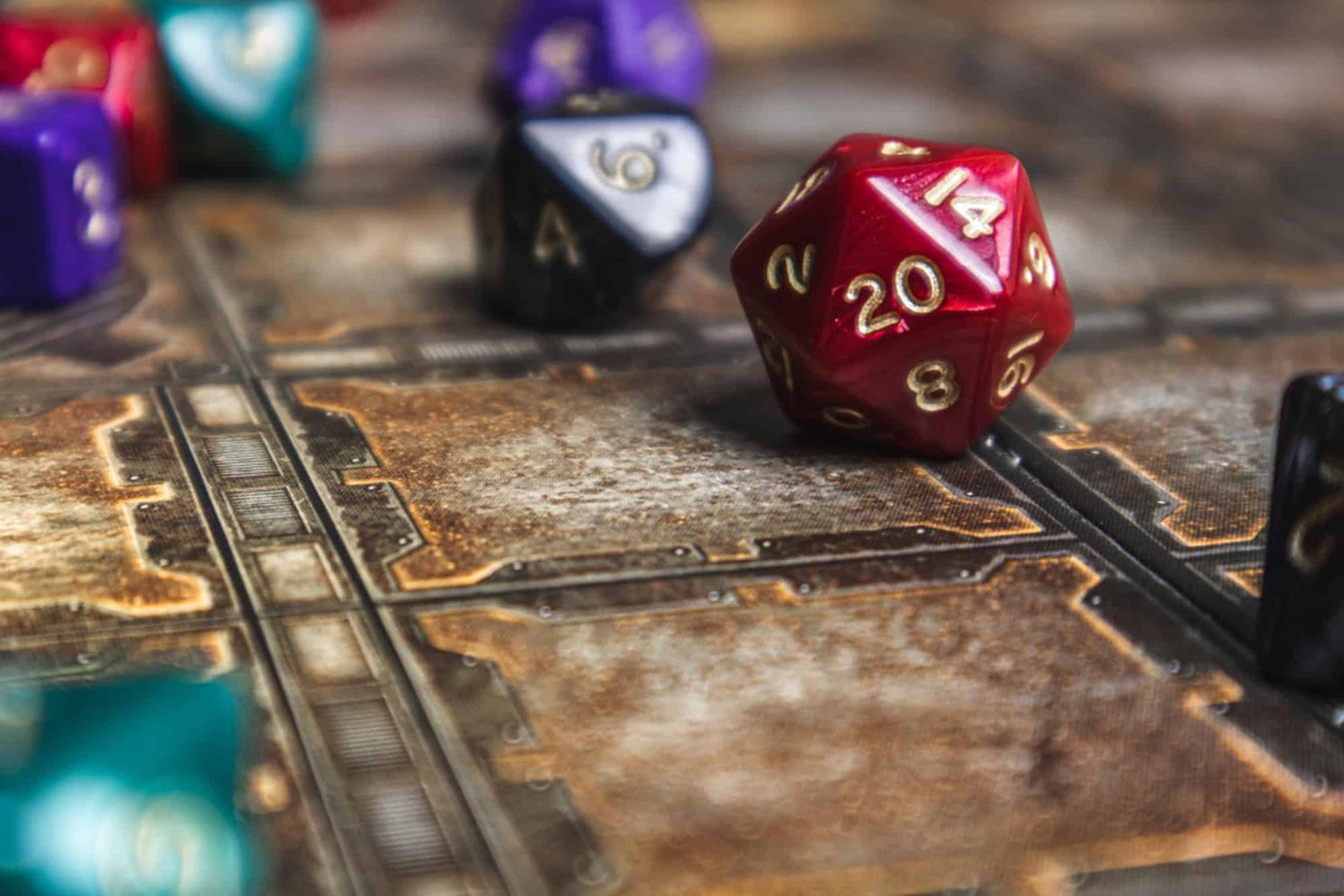
Tabletop titles such as Dungeons & Dragons established the basic premise of party-based exploration and monster encounters. In 1975, the board game Dungeon! translated that dungeon-delving experience into a competitive board format.
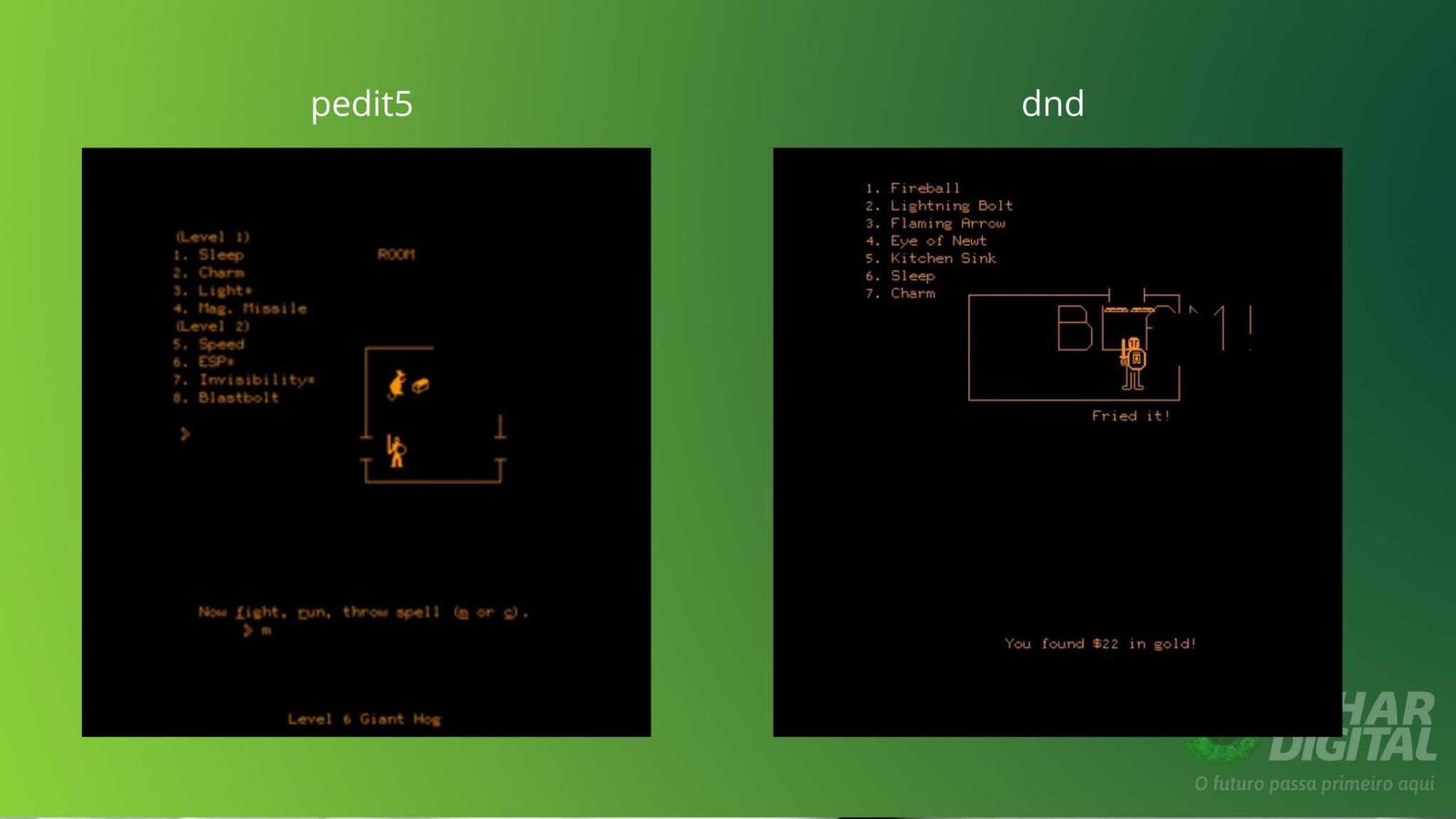
On computers, early PLATO-system games like pedit5 and dnd replicated dungeon exploration electronically, setting foundations that would influence subsequent generations of RPGs.
Formation of the videogame genre
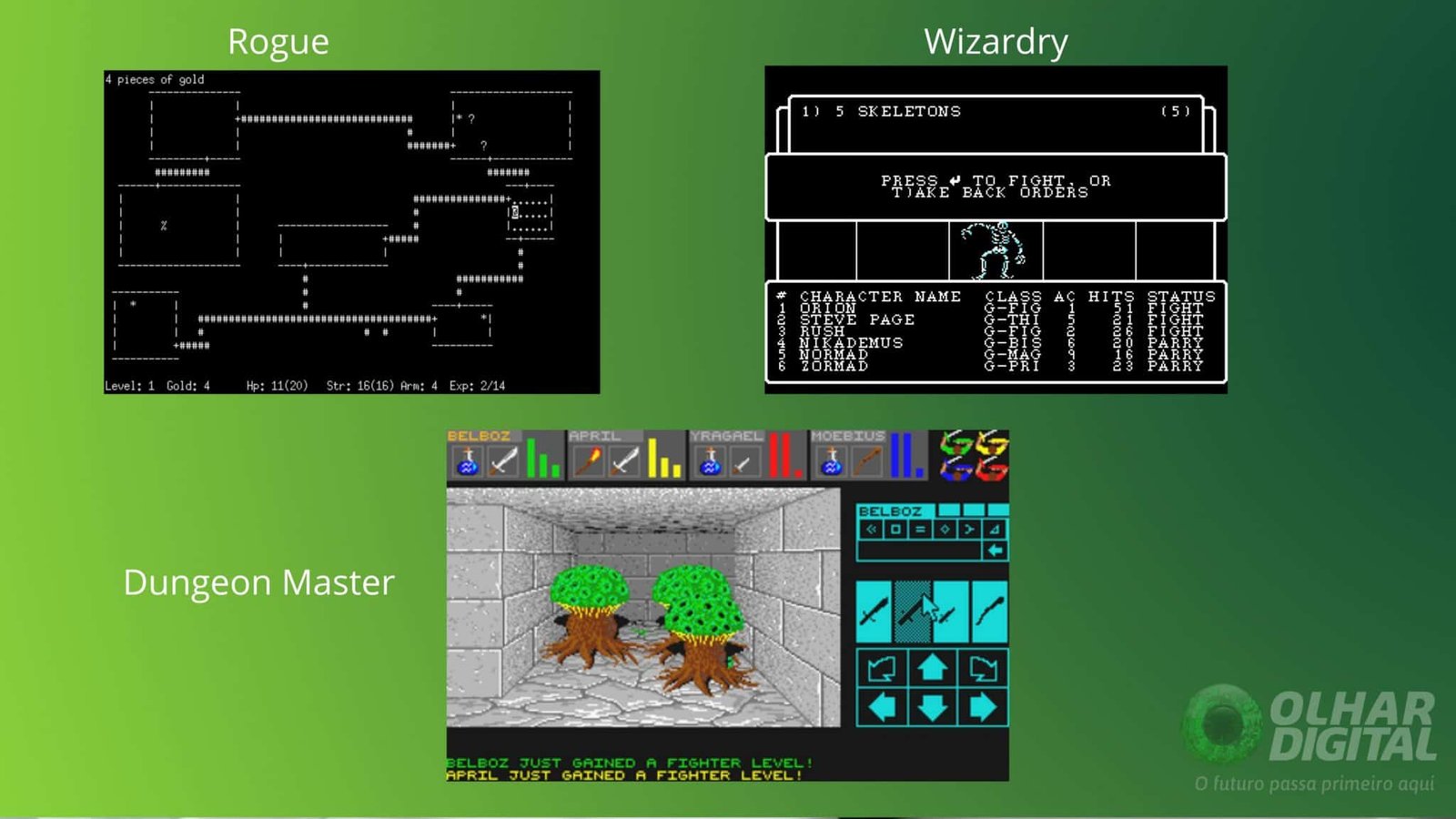
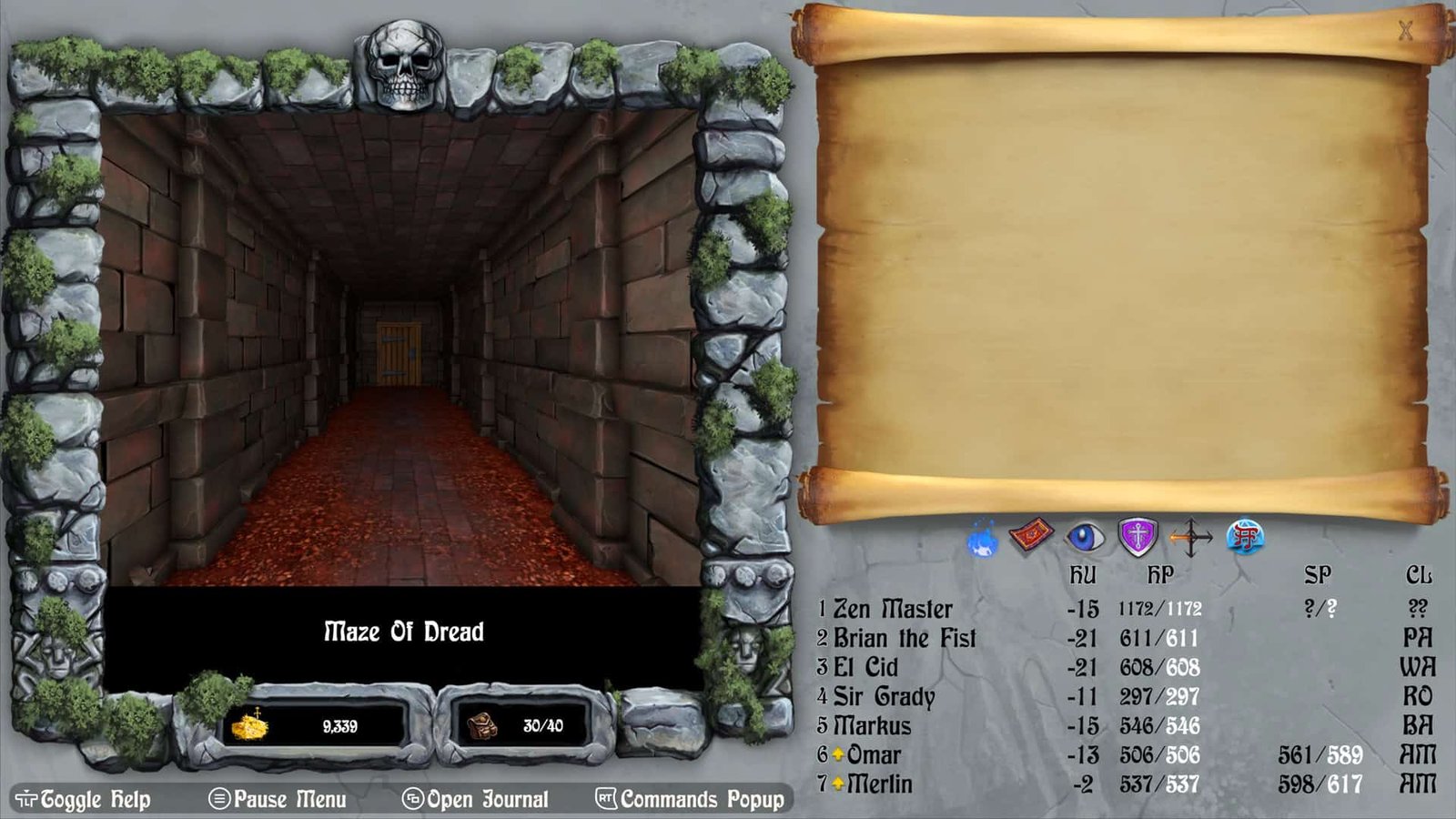
During the 1980s the genre coalesced with influential releases including Rogue, Wizardry, The Bard’s Tale, Ultima, Might and Magic and Dungeon Master. These games introduced enduring conventions such as turn-based combat, level progression and manual dungeon mapping.
Other franchises—Dragon Slayer, The Tower of Druaga and Gauntlet—pushed the genre toward real-time action, blending fast-paced combat with item collection and character growth. That evolution shaped later action RPGs like Diablo and The Binding of Isaac.
Modern evolution and notable examples
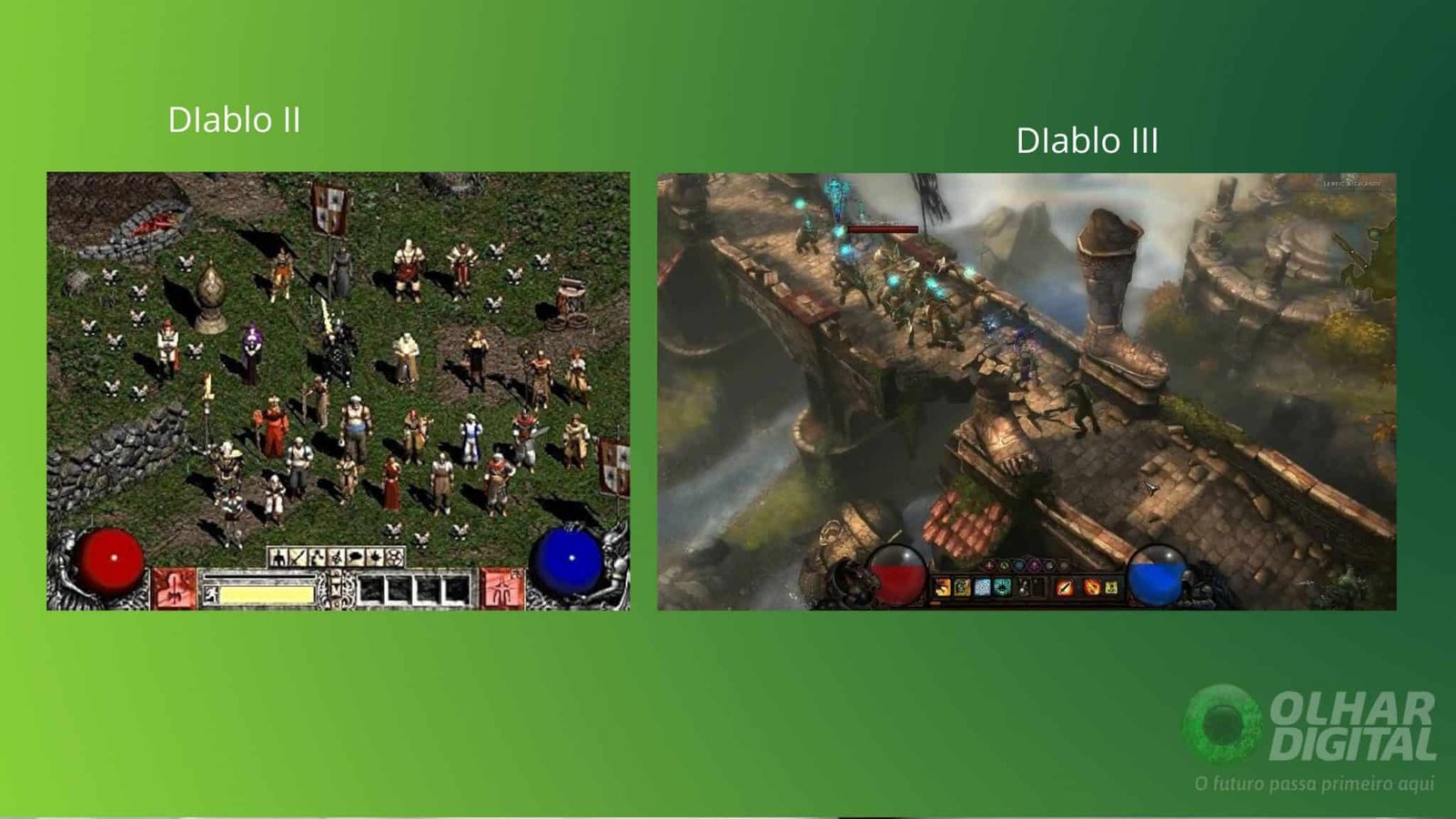
From the late 1990s and into the 2000s, dungeon crawlers diversified and hybridized. Diablo II and III popularized loot-driven progression and repeatable gameplay loops, while titles from FromSoftware—Dark Souls and Bloodborne—reinterpreted the formula with darker, more demanding combat.
Contemporary games such as Elden Ring, Dark and Darker and Persona 5 incorporate dungeon-crawling elements—exploration, tactical encounters and reward systems—within broader narrative or open-world structures.
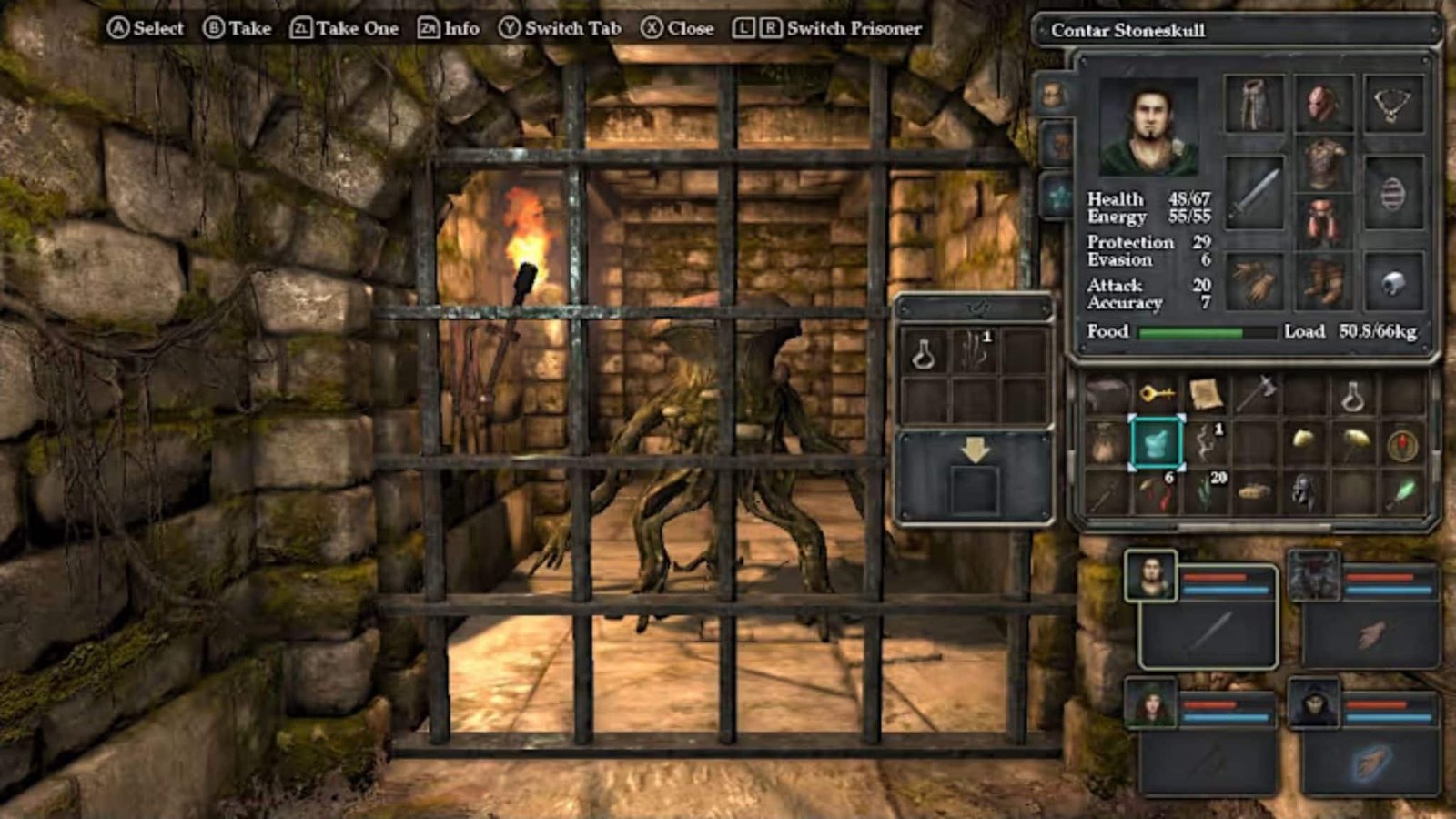
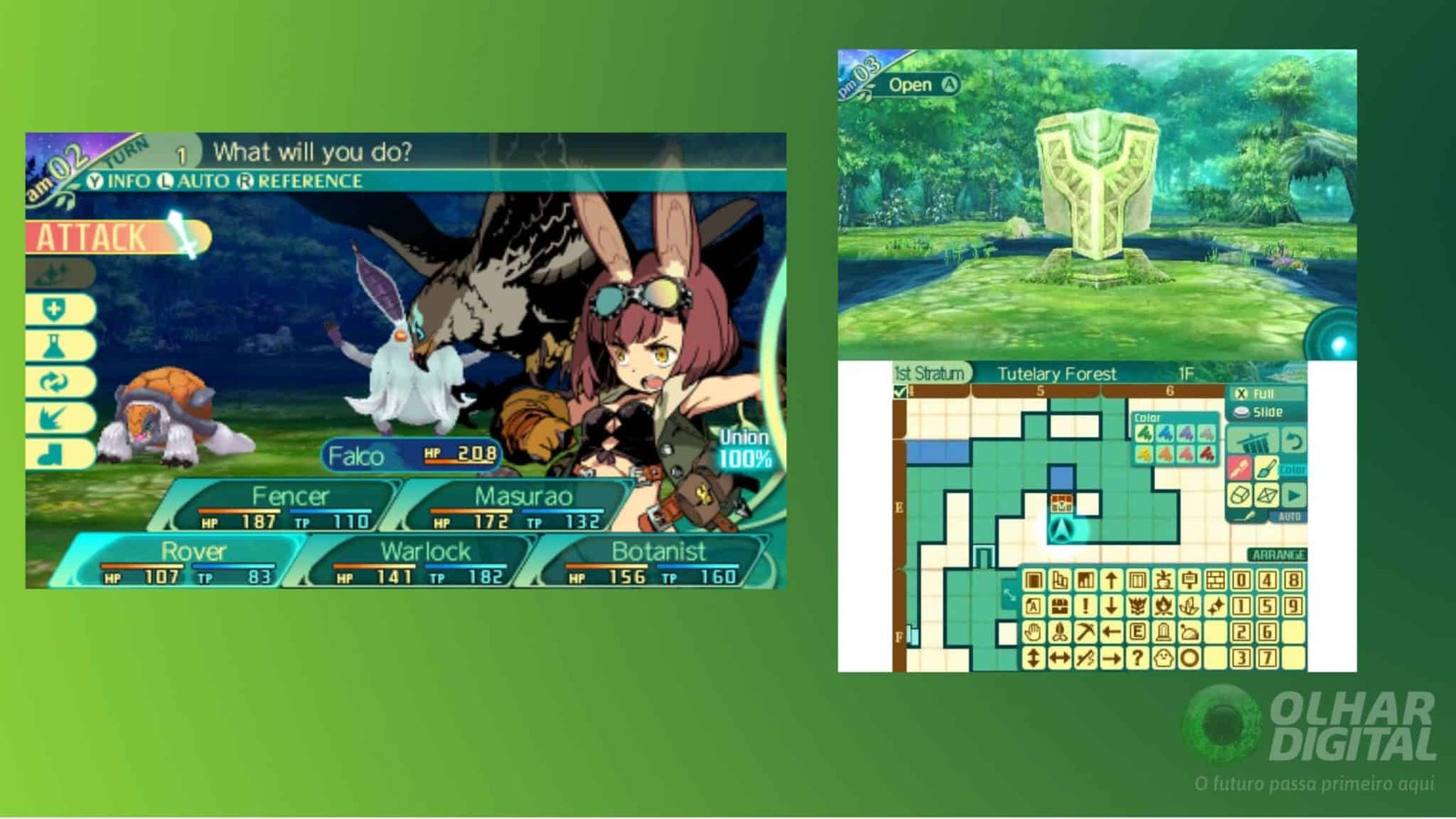
At the same time, niche series like Etrian Odyssey and indie projects such as Legend of Grimrock revived classic first-person, grid-based dungeon exploration that emphasizes manual mapping and puzzle solving.
Variations and hybrid subgenres

Dungeon crawler mechanics appear across many franchises. Games like The Legend of Zelda, Baldur’s Gate and Final Fantasy have integrated dungeon exploration into larger RPG frameworks without being strictly dungeon crawlers themselves.
Contemporary successes—Diablo, Persona, Torchlight, Dark Souls and Bloodborne—draw on dungeon-crawler traditions while introducing distinct atmospheres, difficulty curves and tactical systems.
Gameplay styles and perspectives
Visual perspective
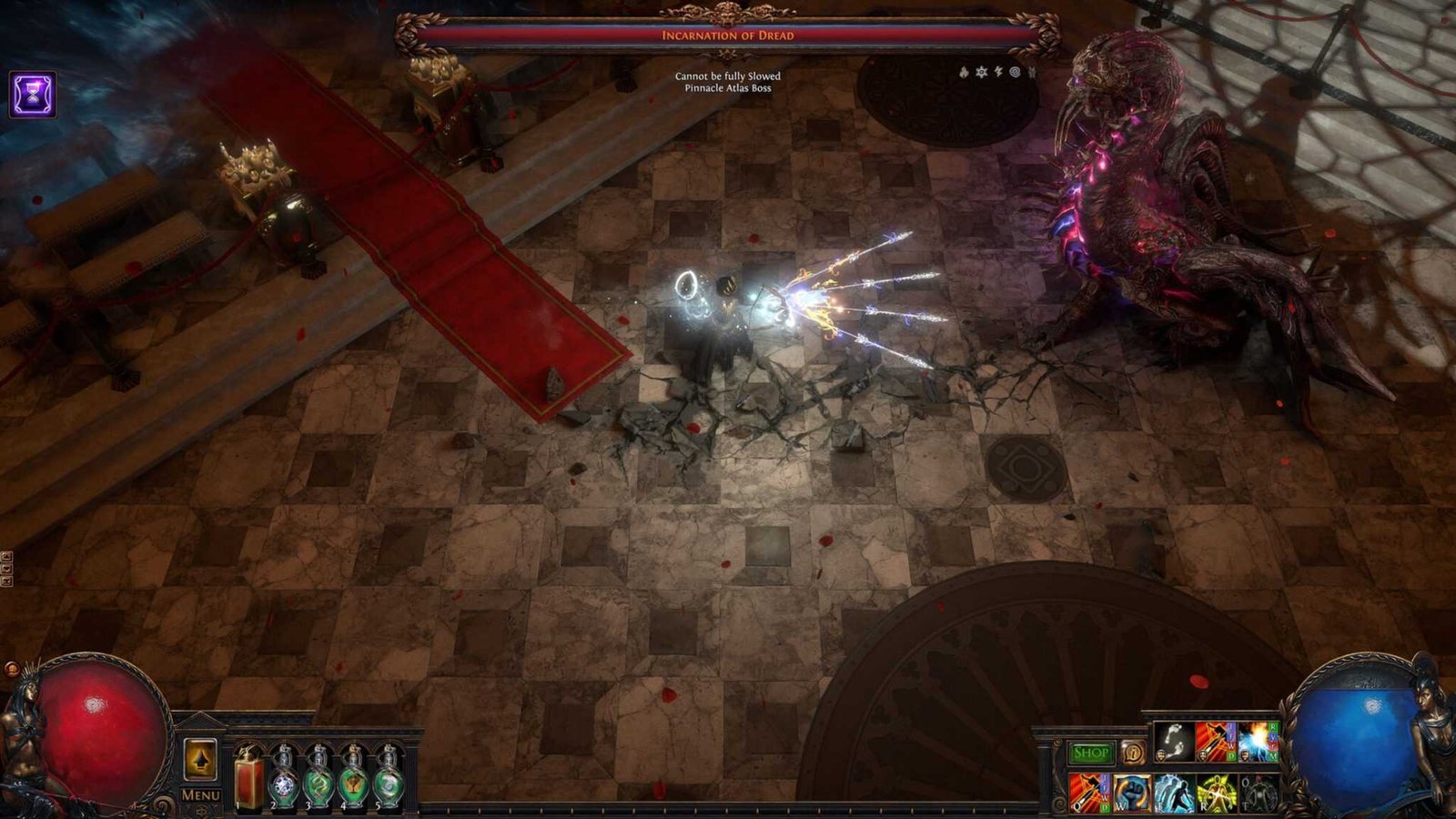
Dungeon crawlers present either a first-person viewpoint, often more immersive as in Wizardry or Legend of Grimrock, or third-person/overhead perspectives that favor tactical visibility, seen in Diablo and Path of Exile.
Combat systems
Combat formats vary: turn-based encounters characterize series like Etrian Odyssey and NetHack; real-time action suits Diablo and Grimrock; and action-RPG mechanics with direct player control define games such as Dark Souls and Bloodborne.
Structure and thematic range
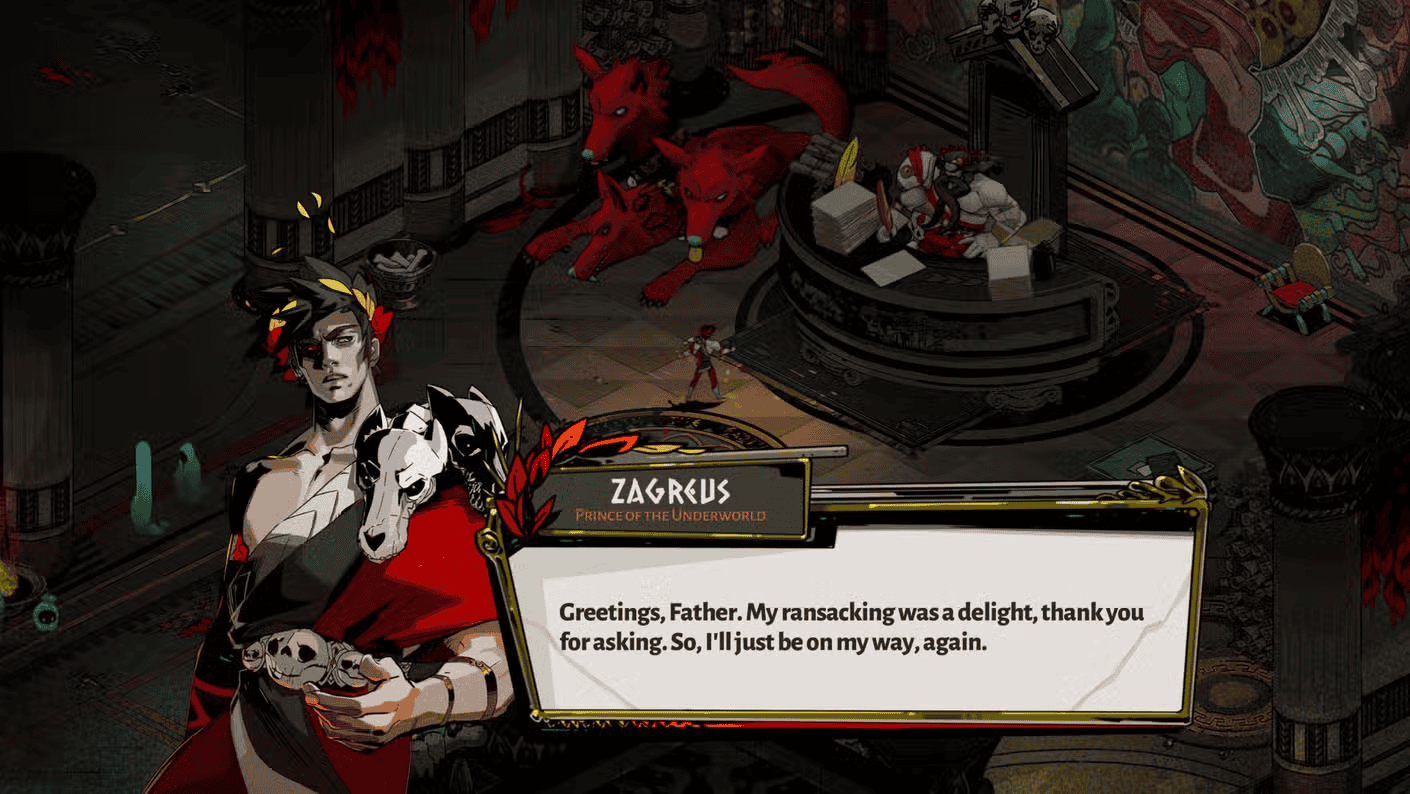
The genre includes roguelikes and roguelites with permadeath (for example Hades and Dead Cells), party-management titles focused on group tactics (Wizardry, Divinity: Original Sin II), and open-world experiences where dungeon zones are part of expansive maps (Dark Souls, The Elder Scrolls).
Settings span fantasy, gothic horror and science fiction, but dungeon crawlers consistently center on confronting unknown threats to secure resources and progress.
Why the genre endures
Dungeon crawlers persist because their core loop—explore, fight, loot and strategize—adapts easily to different technologies and player preferences. From tabletop inspirations to modern action-RPGs, the format has proven flexible, lending itself to both faithful revivals and innovative hybrids that blend cards, deckbuilding or roguelike elements.