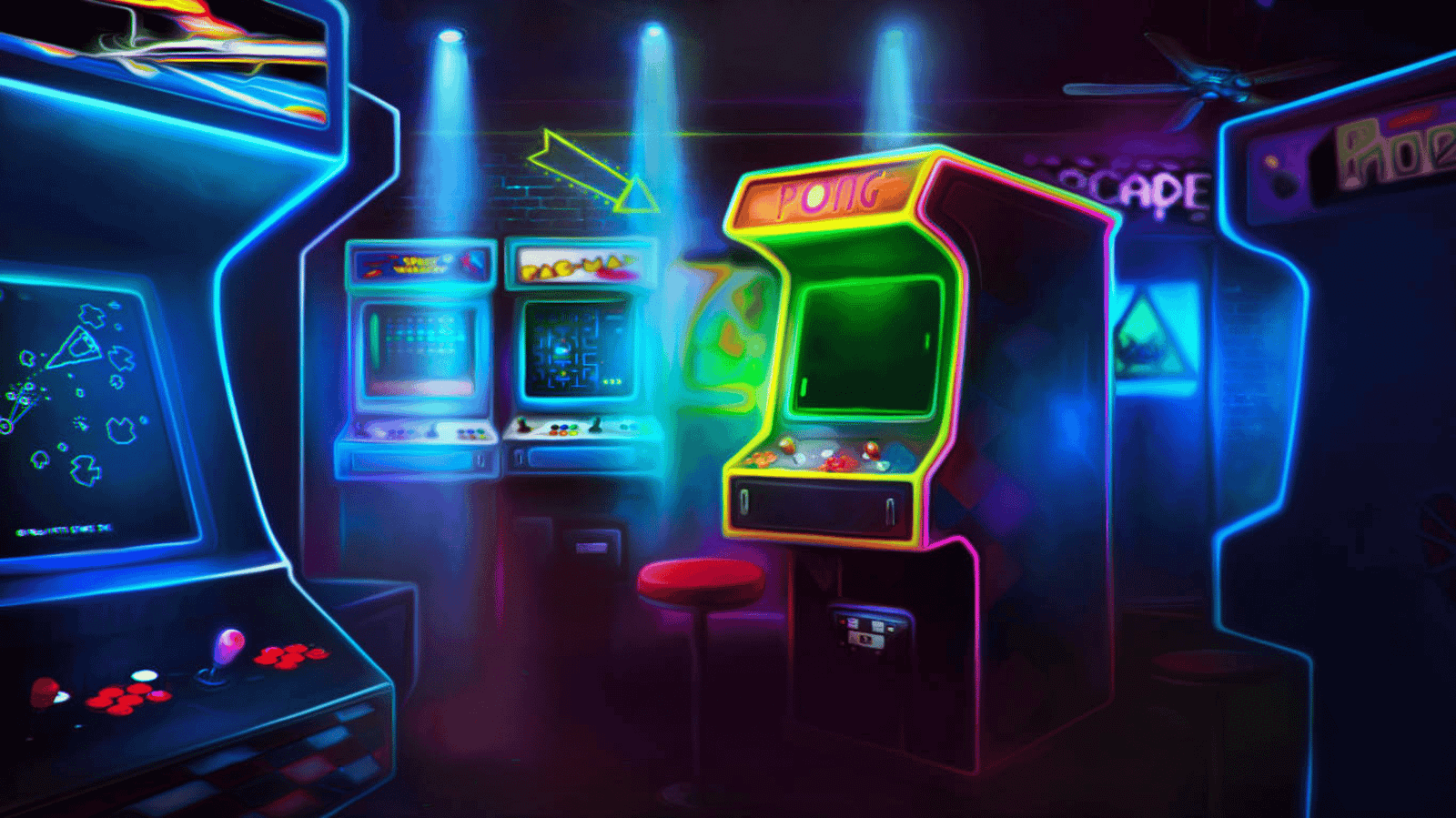
Arcade cabinets once dominated leisure venues worldwide, and a handful of titles from that era set standards that still echo in today’s games. This list highlights ten arcade classics—spanning shooters, beat ’em ups, fighting games and platformers—that left lasting marks on game design and popular culture.
Metal Slug (1996) — Run-and-gun with distinct pixel art
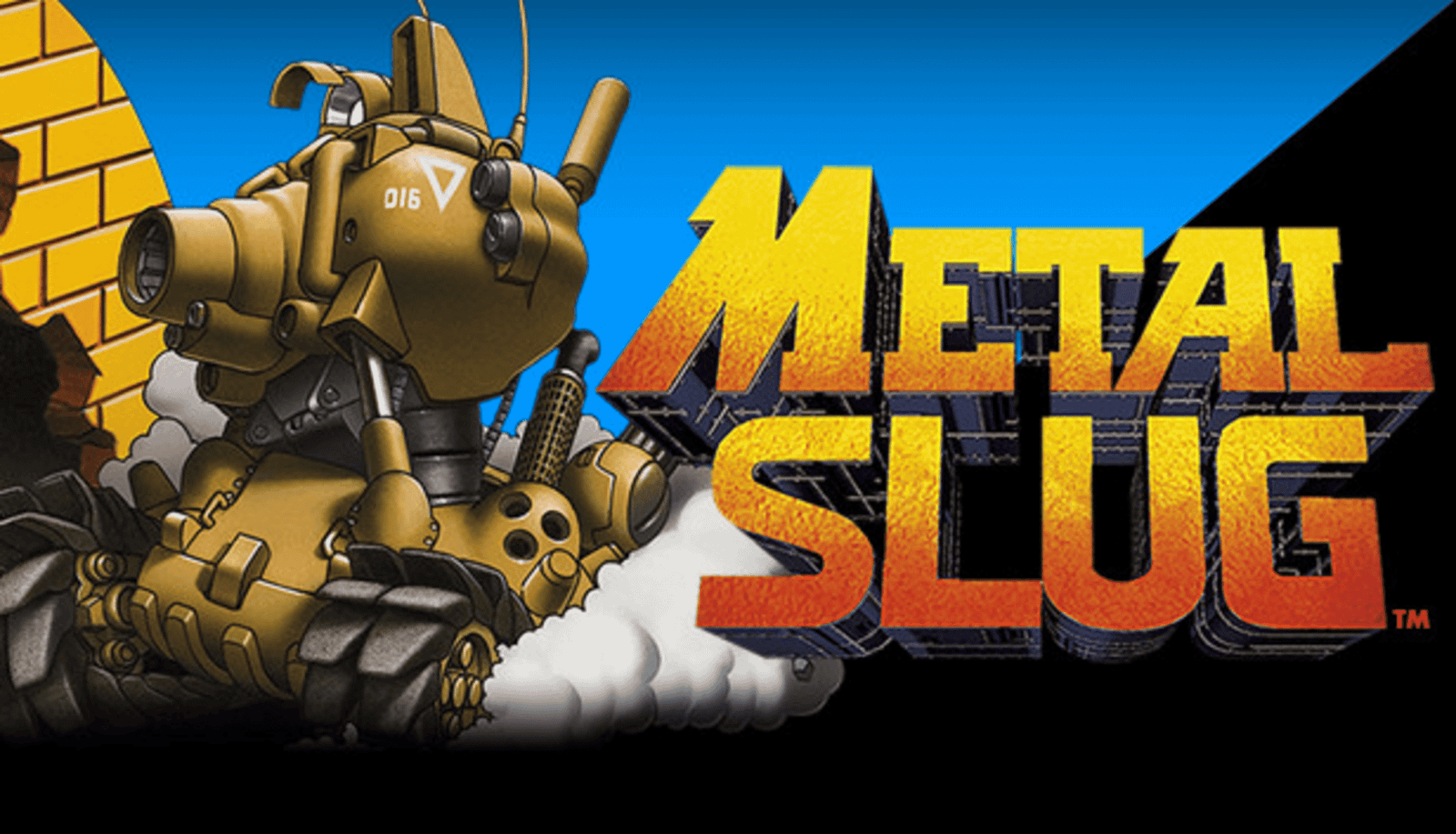
Released by SNK in 1996, Metal Slug is a side-scrolling shooter celebrated for its intricate pixel-art visuals, fast-paced gameplay and tongue-in-cheek humor. Players control soldiers on missions to defeat enemies, rescue prisoners of war and operate vehicles such as tanks.
The series stood out for its cooperative play and challenging difficulty. Metal Slug spawned sequels and ports across multiple platforms, earning enduring praise from arcade fans.
Final Fight (1989) — Co-op beat ’em up that influenced fighters
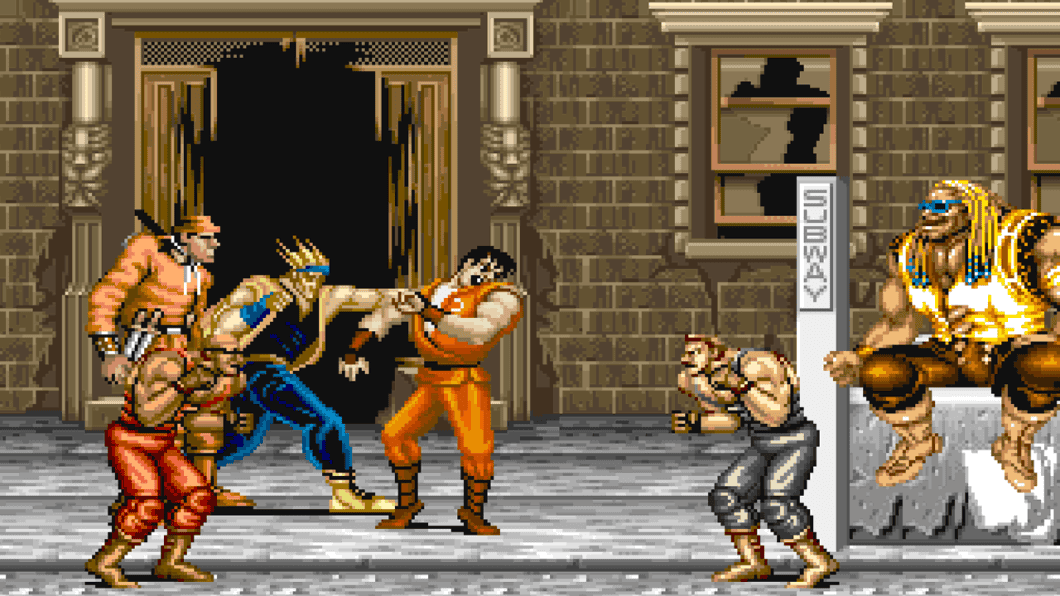
Capcom’s Final Fight debuted in 1989 as a defining example of the beat ’em up genre. Its straightforward plot—rescue the mayor’s kidnapped daughter—framed extended street battles across Metro City and introduced memorable characters like Cody, Guy and Haggar.
Final Fight’s smooth controls and cooperative mechanics influenced subsequent action titles and contributed to the evolution of fighting-game systems.
Double Dragon (1987) — Cooperative brawling pioneers

Originally released by Technos Japan in 1987, Double Dragon centers on brothers Billy and Jimmy Lee attempting to rescue Marian from a gang. The game helped popularize two-player cooperative play and introduced mechanics such as picking up enemies’ weapons.
Its blend of rapid combat, special moves and a catchy soundtrack led to multiple sequels and home-console adaptations.
Galaga (1981) — Iconic fixed shooter with addicting mechanics
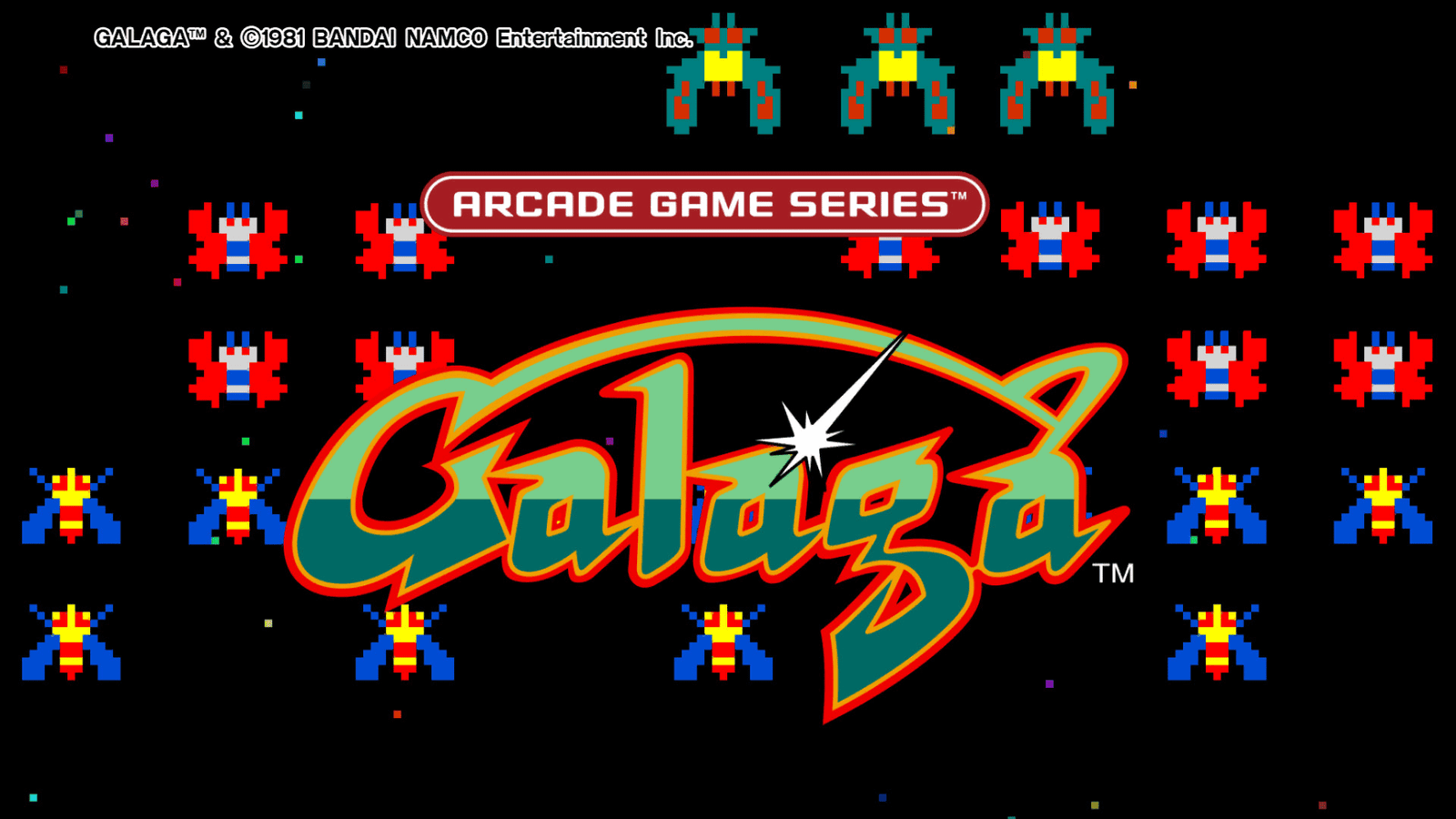
Namco’s Galaga, released in 1981, became one of the standout titles of the arcade golden age. Players pilot a ship against relentless alien formations, with simple controls combined with compelling risk-reward mechanics.
Galaga’s colorful presentation and innovations—like capturing and combining ships to increase firepower—helped secure its place among the decade’s most-played arcade games.
Ms. Pac-Man (1982) — A refined take on a classic maze game
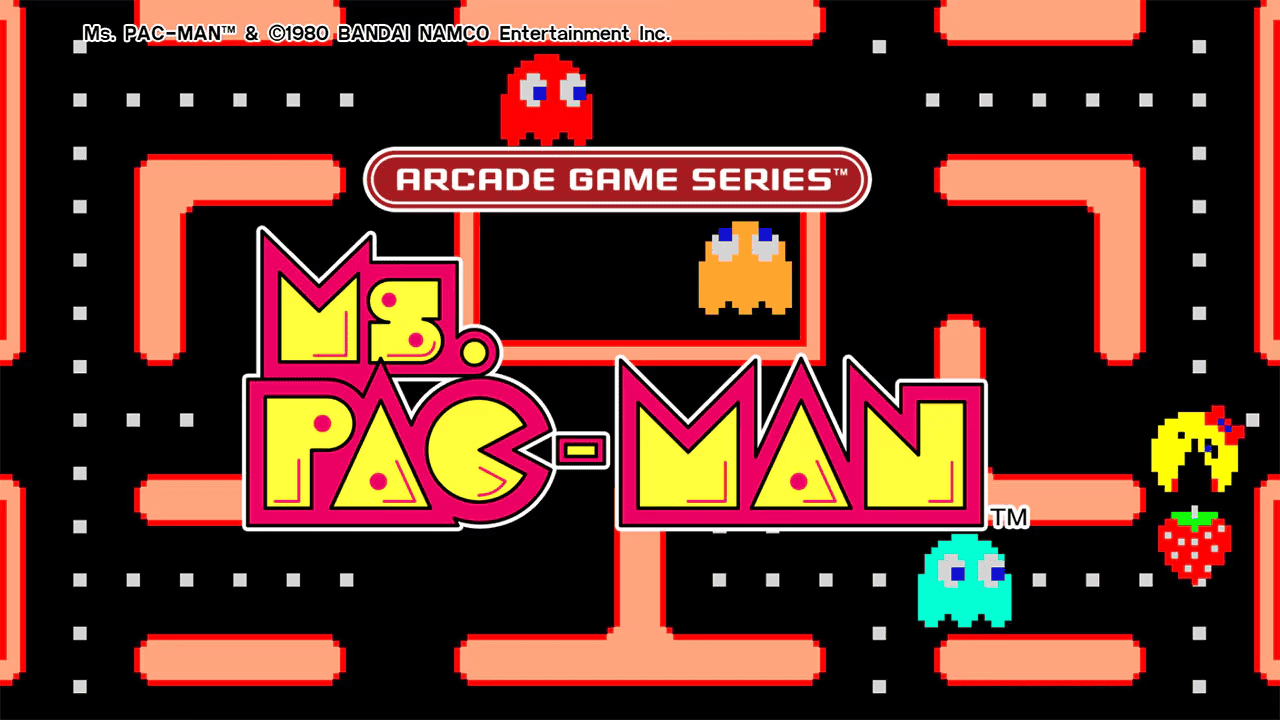
Released by Midway in 1982 as a follow-up to Pac-Man, Ms. Pac-Man introduced a female protagonist, varied maze layouts, quicker movement and enhanced ghost AI. These changes increased complexity and replay value while keeping the core pellet-eating gameplay intact.
Many players and critics regard Ms. Pac-Man as an improvement over the original due to its additional level designs and gameplay tweaks.
Space Invaders (1978) — The shooting game that launched an era

Taito’s Space Invaders, from 1978, is widely credited with popularizing the shooting genre and helping establish arcades as cultural phenomena. Players move a cannon horizontally to shoot descending waves of aliens before they reach the bottom of the screen.
The game’s minimalist yet tense design inspired countless developers and set a template for early shooter titles.
Golden Axe (1989) — Fantasy hack-and-slash with cooperative depth

Launched by Sega in 1989, Golden Axe places players in a medieval-fantasy setting where they choose one of three heroes—a barbarian, an amazon or a dwarf—each with unique abilities and magic. The objective is to confront the villain Death Adder and his forces.
Golden Axe is noted for its cooperative gameplay, use of mounts and magic systems, and visuals that were impressive for its time.
Street Fighter II (1991) — Redefined the fighting game genre
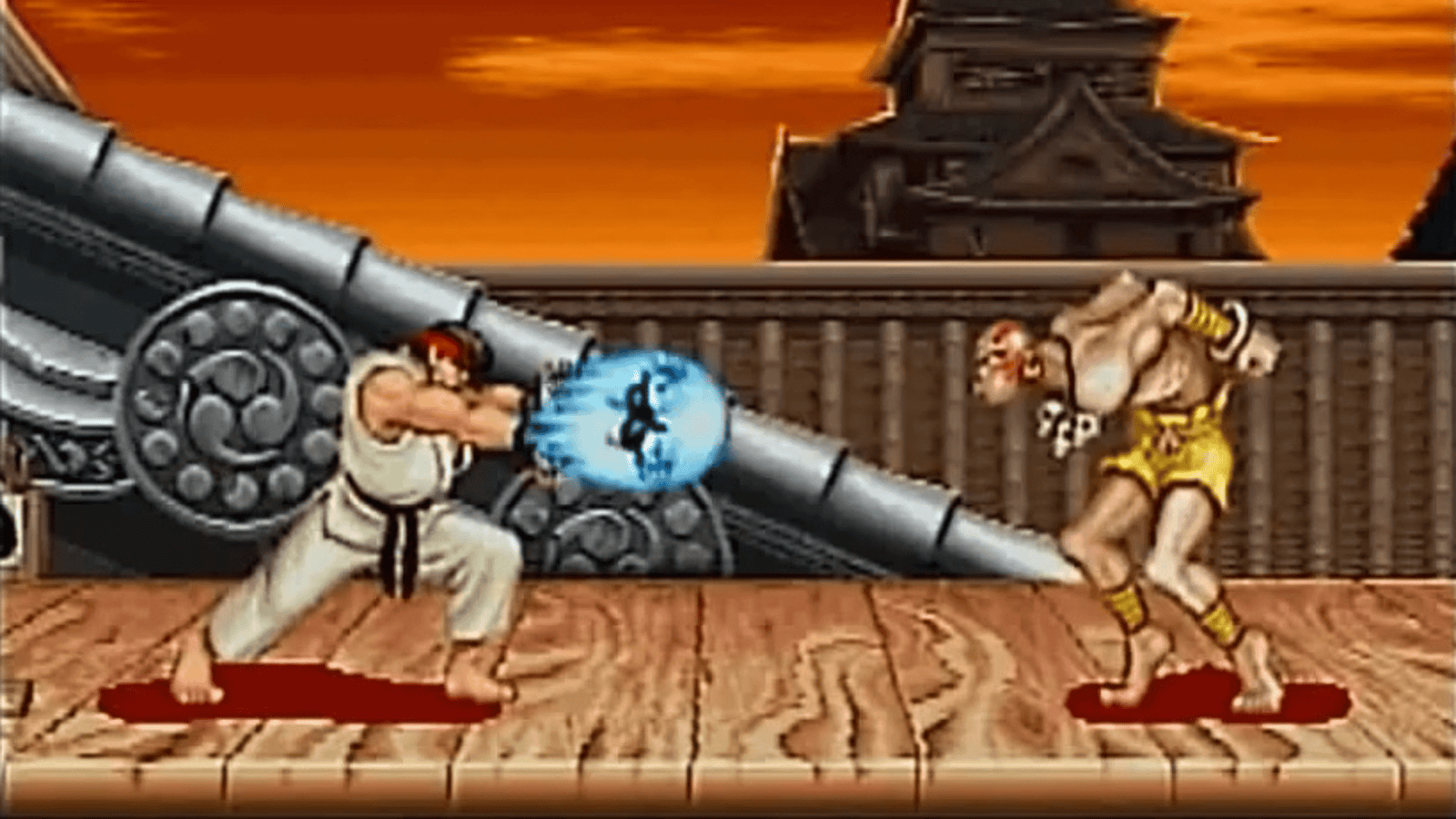
Capcom’s Street Fighter II, released in 1991, transformed competitive arcade fighting with a deeper combat system featuring special moves, combos and a diverse roster including Ryu, Ken and Chun-Li. Its balance and depth spawned an active competitive scene.
The arcade success of Street Fighter II led to multiple updated versions and cemented many mechanics that remain standards in fighting games.
Pac-Man (1980) — A cultural phenomenon born in arcades

Namco’s 1980 Pac-Man became an instant symbol of gaming with its straightforward premise: navigate a maze, eat pellets and avoid ghosts. Pac-Man transcended the arcade milieu into broader pop culture, inspiring merchandise, cartoons and music.
Its accessible design demonstrated how simplicity could yield massive commercial and cultural success, securing Pac-Man’s status as one of the all-time classics.
Donkey Kong (1981) — Early platforming milestone and Mario’s debut
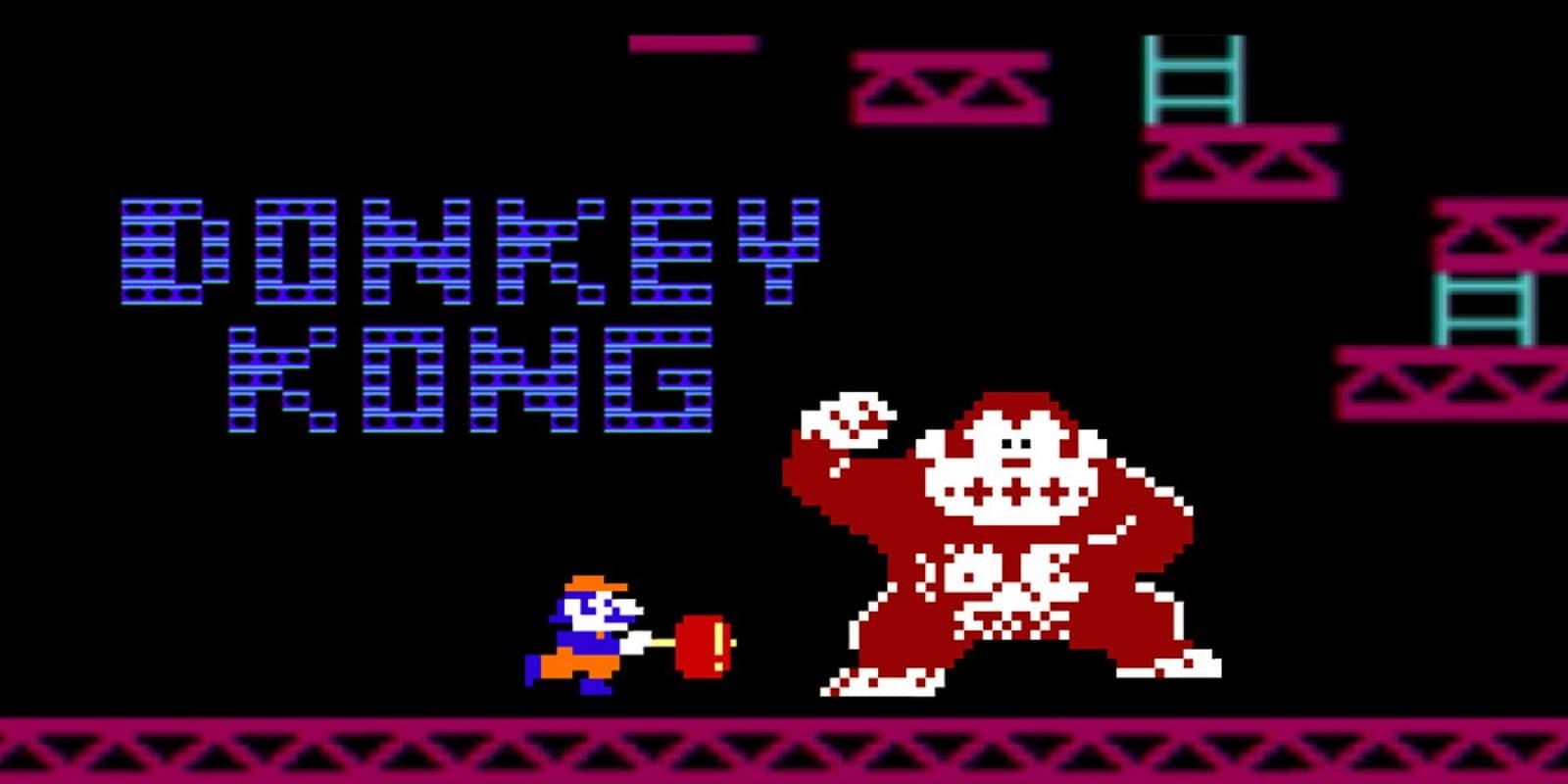
Released by Nintendo in 1981, Donkey Kong challenged players to climb platforms, avoid obstacles and rescue a damsel while dodging barrels from the gorilla antagonist. The game is notable for introducing the character later known as Mario (then called Jumpman).
Donkey Kong’s inventive level design and character introductions helped establish Nintendo’s reputation and influenced future platformers.
Arcades’ lasting influence on modern games
These ten arcade titles did more than entertain coin-fed players; they introduced and refined gameplay systems—cooperative modes, competitive fighting mechanics, innovative shooter ideas and level design principles—that persist in modern game development.
From the breakneck action of Metal Slug to the foundational mechanics of Space Invaders and Street Fighter II, arcade classics remain reference points for designers and players alike, demonstrating the enduring legacy of the golden arcade era.