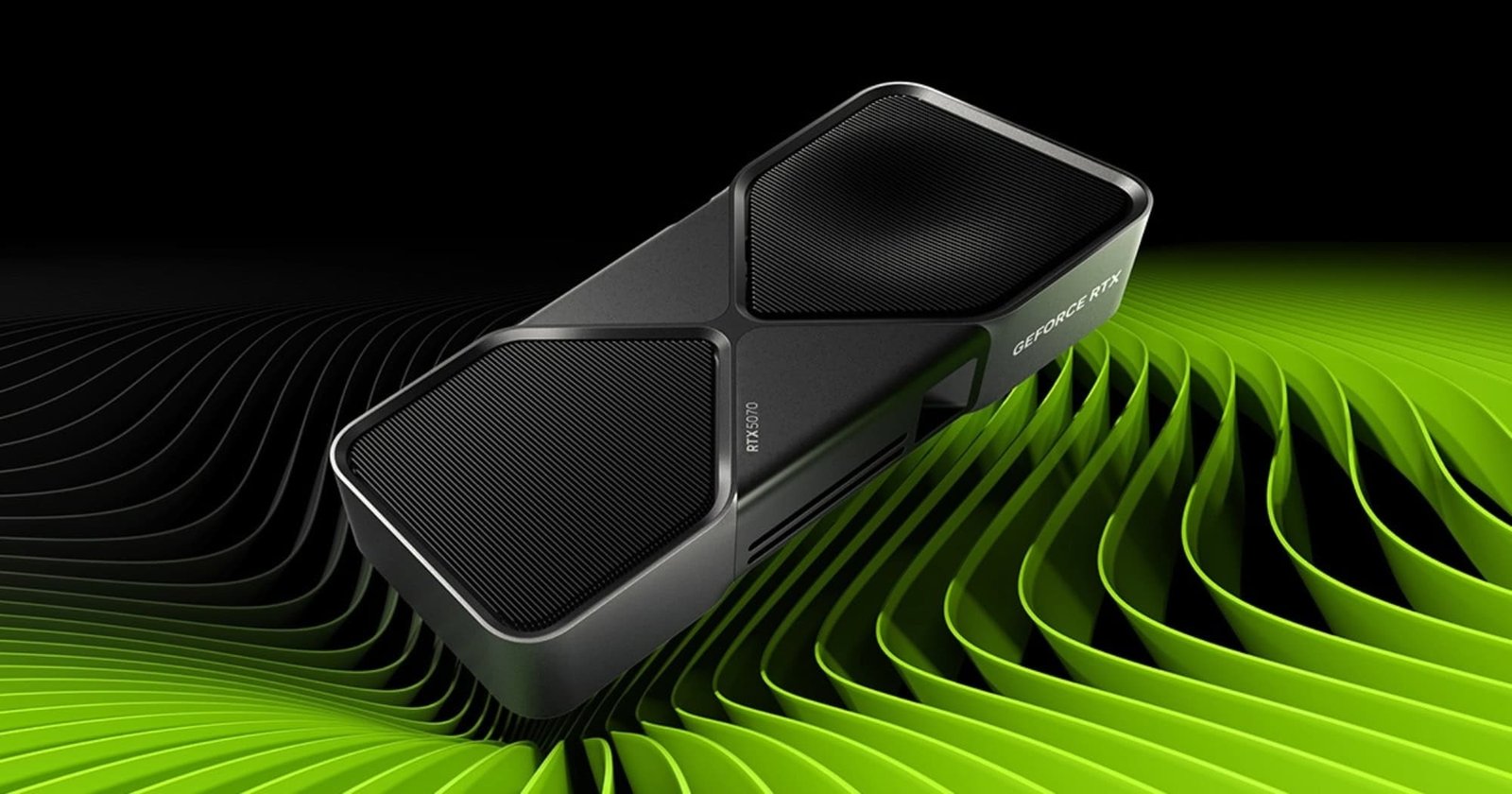
Nvidia is reportedly preparing a new variant of the GeForce RTX 5070 that would use a reduced version of the GB203 GPU—the same family used in higher-end models such as the RTX 5070 Ti and RTX 5080—to expand the number of chips eligible for the 5070 lineup, according to VideoCardz.
How the proposed RTX 5070 variant would work
The current RTX 5070 is built on the GB205 chip with 6,144 CUDA cores. The full GB205 silicon can support up to 6,400 CUDA cores, so existing production already allows chips with minor defects to be binned into the 5070.
The GB203 is a larger chip used in the RTX 5080 at full configuration. Chips from the GB203 that have defective units are sometimes repurposed for the RTX 5070 Ti, which ships with 8,960 CUDA cores.
Under the reported plan, GB203 dies that fail to meet the RTX 5070 Ti requirements could be further pared down—disabling additional blocks—to match the 6,144 CUDA-core specification expected for the RTX 5070. That would mean two versions of the RTX 5070 could be manufactured from different silicon but tuned to deliver the same official specifications.
Increase in supply, not necessarily lower prices
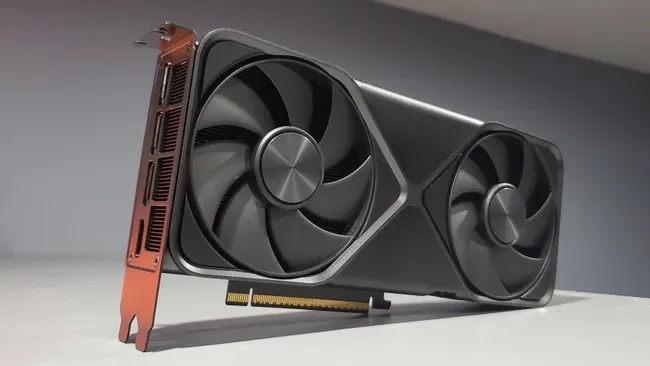
The main advantage of this approach would be improved utilization of produced silicon and a potential increase in RTX 5070 availability. Large dies are more susceptible to small defects that make them unsuitable for the top-tier SKUs, so giving manufacturers the option to repurpose those GB203 chips could raise the total pool of GPUs fit for the 5070.
However, using GB203-derived dies does not inherently lower production cost for the RTX 5070, so the existence of this variant does not automatically translate into lower retail prices for consumers. The move appears aimed at optimizing yield rather than cutting manufacturing expense.
To date Nvidia has not announced this new RTX 5070 version; the details remain reports of a possible change in GPU production strategy.
Expected gaming performance and differences
According to the available information, the chipset swap should not produce a performance increase. Even if a 5070 is built from GB203 silicon, it would be limited to the RTX 5070’s specified configuration—specifically the same 6,144 CUDA cores—so gaming frame rates are expected to be very similar between units regardless of the underlying die.
Architectural features of Blackwell, such as DLSS 4, Multi Frame Generation and Ray Tracing, would continue to operate the same way on both variants. Potential variations could show up in power consumption, thermal behavior and boost characteristics depending on each board partner’s implementation, but there is no indication that a GB203-based RTX 5070 would perform like a 5070 Ti or approach RTX 5080 performance.