Microsoft’s Xbox Cloud Gaming, included with Xbox Game Pass Ultimate, lets subscribers play a wide range of titles on consoles, PCs, smartphones and tablets via streaming. The service aims to deliver play-anywhere convenience, but users face trade-offs that determine whether it’s the right choice for them.
Library breadth and changing availability
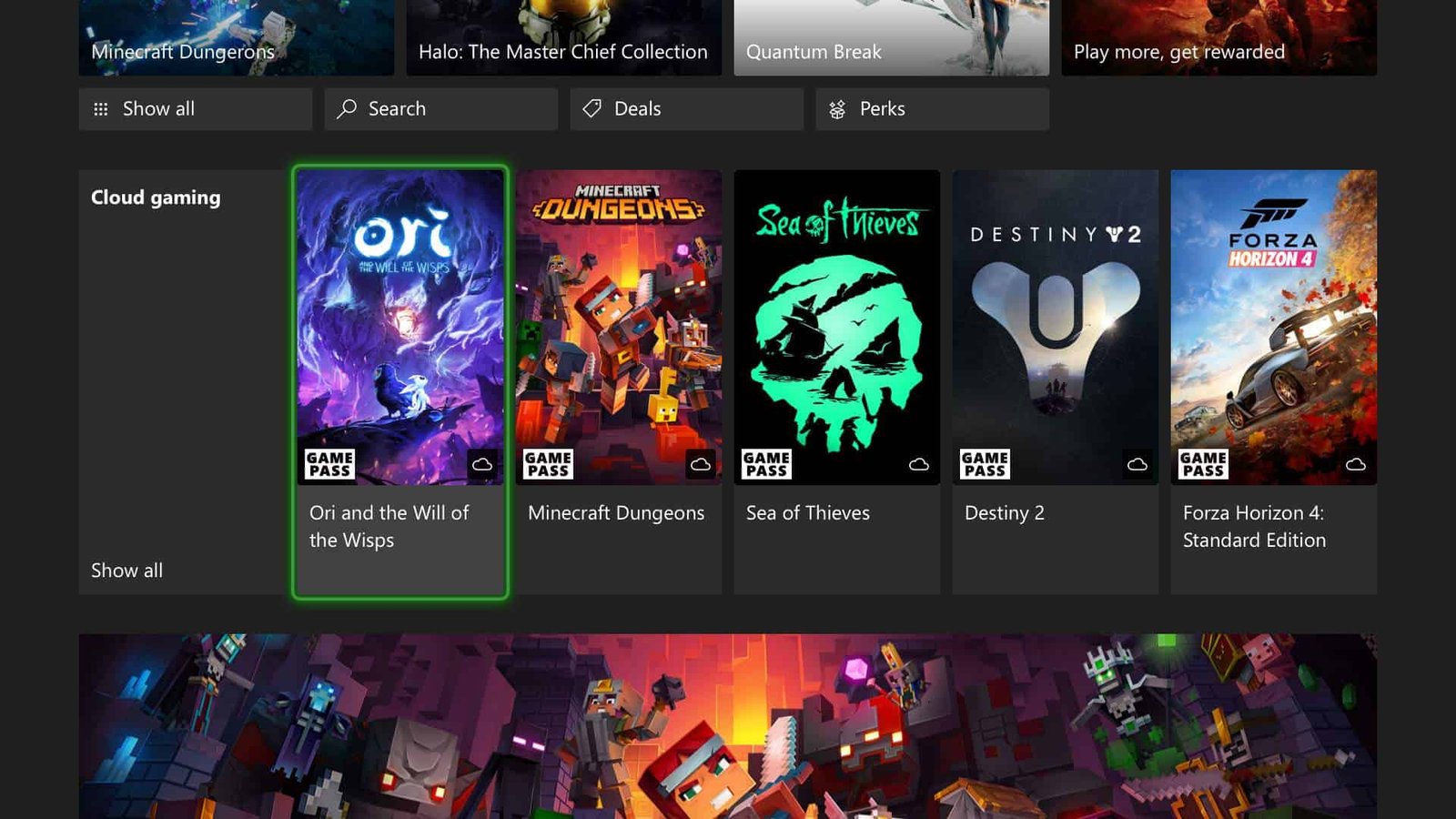
A major strength of Xbox Cloud Gaming is its diverse catalog, which spans acclaimed indie games to large-scale releases such as Assassin’s Creed Valhalla and Far Cry 6. Microsoft also adds new games regularly, helping keep the offering fresh for subscribers.
However, game availability is not permanent: titles can be removed from the platform periodically. That volatility may frustrate players who rely on the cloud service to access specific games over time.
Queue times can interrupt the instant-play promise
Unlike local console play, the cloud experience sometimes requires waiting to start a session. Popular additions have exposed this limitation: when GTA 5 joined the library, some players reported wait times of up to an hour. Such delays undermine the core convenience cloud gaming promises.
Resolution and latency remain technical hurdles
Xbox Cloud Gaming users also report issues with visual fidelity and input lag. Even on connections meeting Microsoft’s recommended thresholds, streamed graphics can appear soft or display visual artifacts, which is more noticeable in AAA titles than in simpler games.
Latency—the delay between a player’s input and the game’s response—can affect gameplay quality. While casual or narrative-driven games may tolerate modest lag, competitive or fast-paced titles can be negatively impacted, where milliseconds matter.
Who benefits from Xbox Cloud Gaming?
Whether Xbox Cloud Gaming is worthwhile depends on player priorities. For casual gamers who prioritize accessibility and the ability to play across devices, the platform can be an attractive option despite its limitations.
For dedicated players seeking high-fidelity visuals, minimal input lag and an uninterrupted experience, the current technical constraints—variable resolution, perceptible latency and potential queue times—may be significant deterrents.
Choosing based on preferences and tolerance for compromise
The decision to use Xbox Cloud Gaming should reflect individual preferences and tolerance for the platform’s present limitations. Microsoft continues to develop its cloud offering, and improvements could increase its appeal over time, but for now the service represents a trade-off between convenience and uncompromised performance.