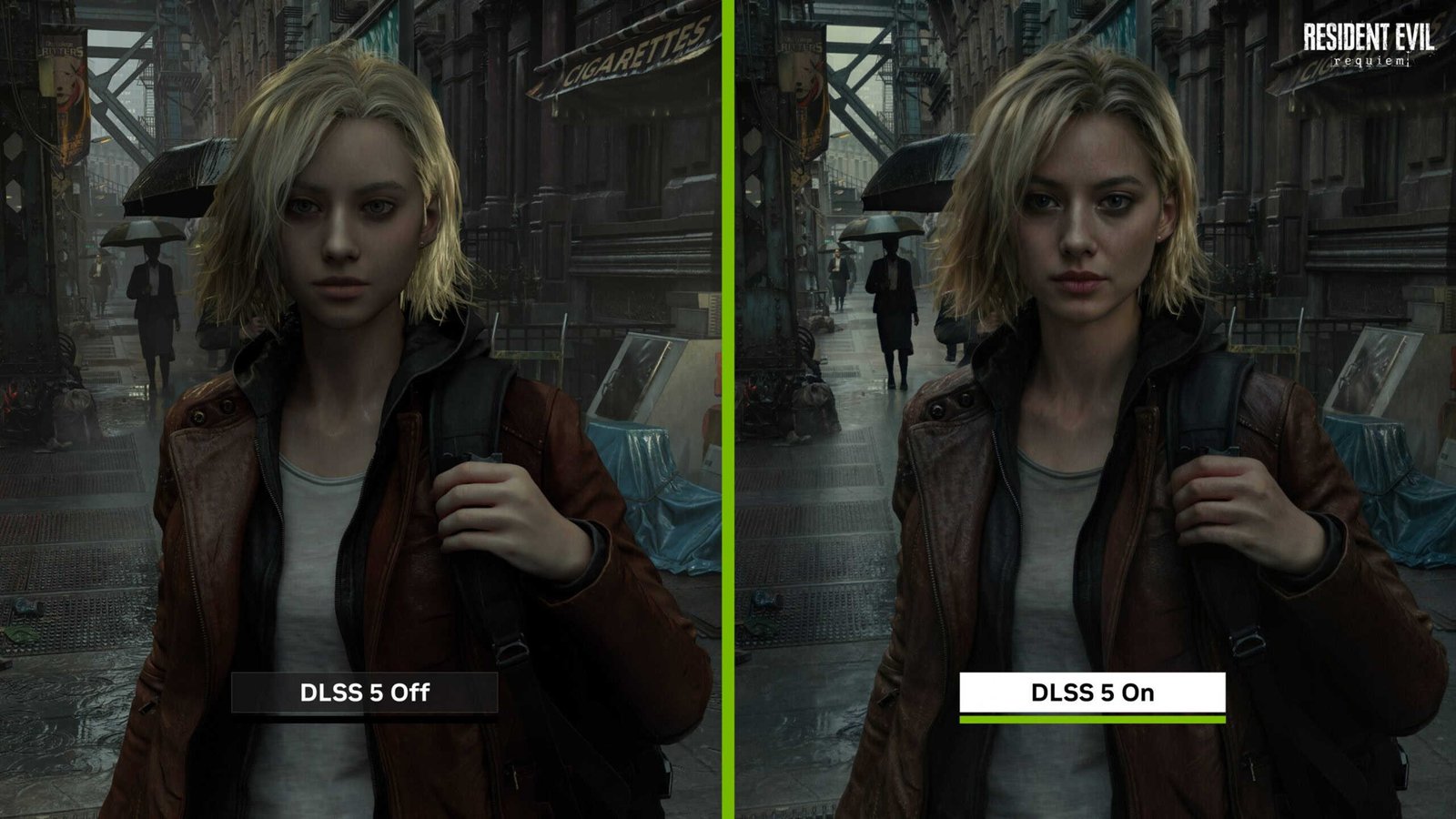
Nvidia drew criticism after unveiling DLSS 5, a new AI-driven graphics feature demonstrated by altering the faces and lighting of characters in already-released games. The company presented the technology as a way to improve real-time lighting and visual fidelity, but the demonstrations prompted negative reactions from players who saw them as intrusive edits to established artistic designs.
Rather than focusing the demonstration on future titles, Nvidia showed changes applied to popular games. Those changes ranged from subtle tweaks to facial expressions and lighting adjustments to more noticeable softening of shadows and alterations that some viewers felt changed characters’ appearances.
DLSS 5 operates as an AI processing layer that can modify visual elements in real time. Nvidia says the goal is to enhance graphical quality, but critics argue the results can strip away the original work of artists and developers and produce a standardized or artificial look across different games.
Company response and developer control
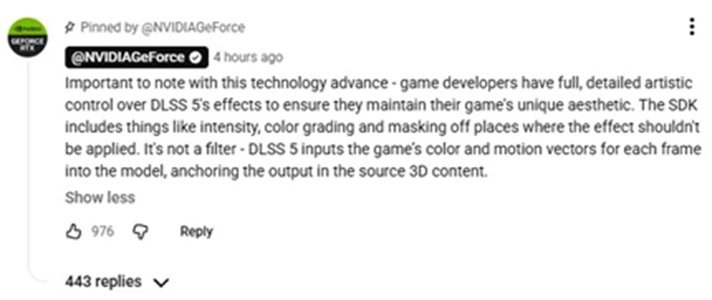
Nvidia executives responded to the backlash. CEO Jensen Huang dismissed the criticisms, and the company reiterated that partner studios retain control over visual changes. Nvidia representatives said developers can choose whether and how to apply the new features.
Some studios weighed in as well. Bethesda, the studio behind Starfield, indicated that the adjustments shown in the demo are preliminary and that any final implementation will follow its internally defined artistic direction. Bethesda added that such changes would be optional for players.
Concerns over artistic control and visual sameness
The episode reignited debates about artificial intelligence’s impact on game creation. In an industry that has seen frequent layoffs, parts of the community expressed skepticism about how much control artists will actually retain when automated tools are introduced. Commentators such as Sean Hollister, editor and founding member of The Verge, voiced concerns along these lines.
Experts also warned about the risk of visual homogenization: widespread use of AI-driven systems could lead to similar-looking results across different titles, diminishing each game’s unique aesthetic identity.
Context within Nvidia’s AI focus
The controversy comes as Nvidia increasingly emphasizes artificial intelligence, a business area that now represents a significant portion of the company’s operations. Some analysts suggest this strategic focus may explain why Nvidia prioritized showcasing technologies aligned with the AI market over addressing traditional players’ expectations.
Despite the criticism, observers agree the underlying technology has potential. Improvements in lighting and rendering are key routes toward greater realism in games. According to critics, the core issue lies less with the innovation itself and more with how Nvidia chose to present the capability to the public.
Demo available for viewing
Nvidia included a demonstration showing how several games look with DLSS 5 applied.