Several independently developed games have exceeded early expectations to become major cultural or commercial successes, demonstrating how small teams or single creators can shape the gaming landscape.
Undertale: an emotional RPG that became a phenomenon
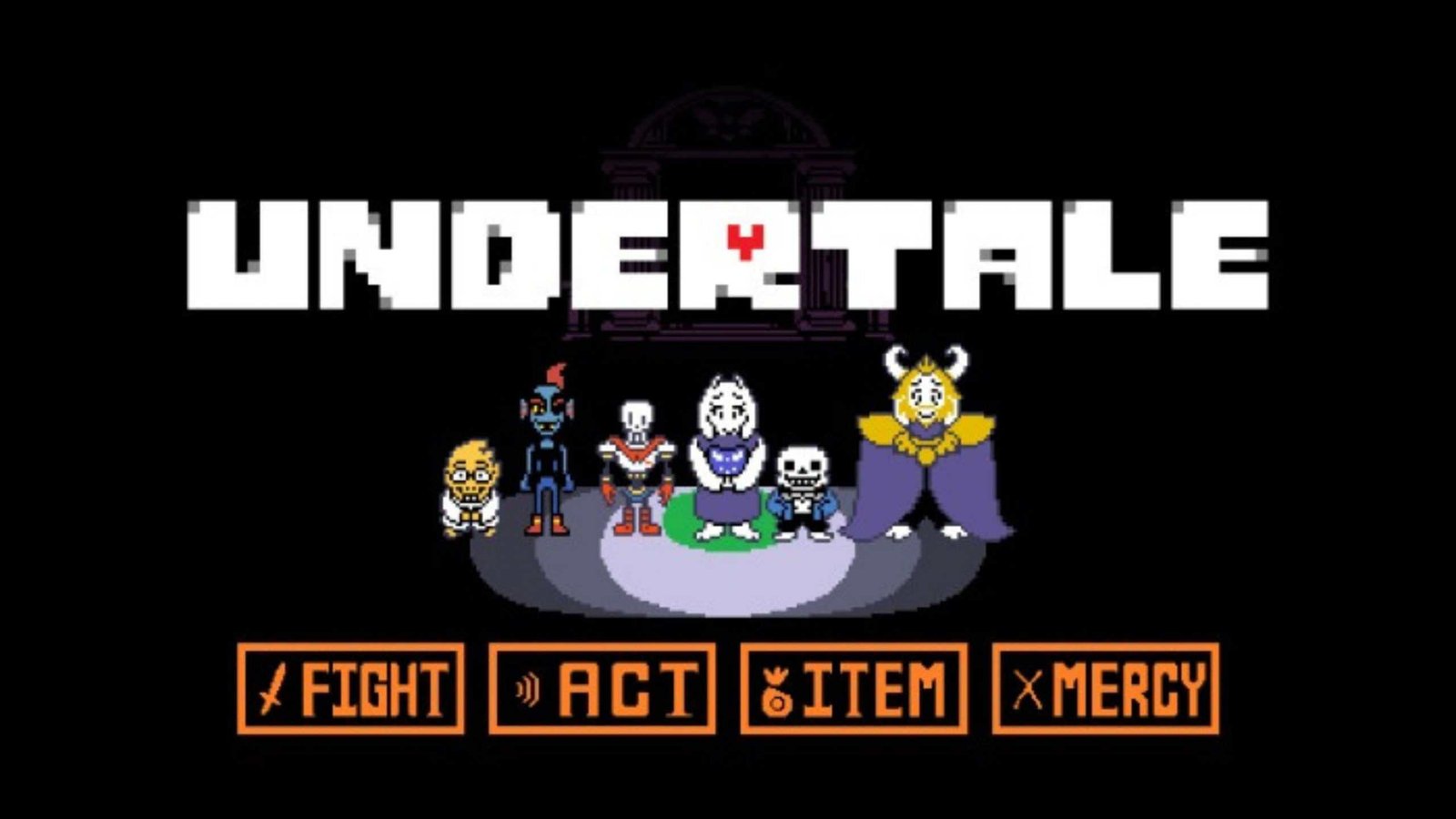
Undertale surprised critics and players after release with its pixel-art aesthetic, darkly humorous tone and an RPG system that lets players choose mercy over combat. Its narrative weight and player-driven moral decisions spread largely by word of mouth.
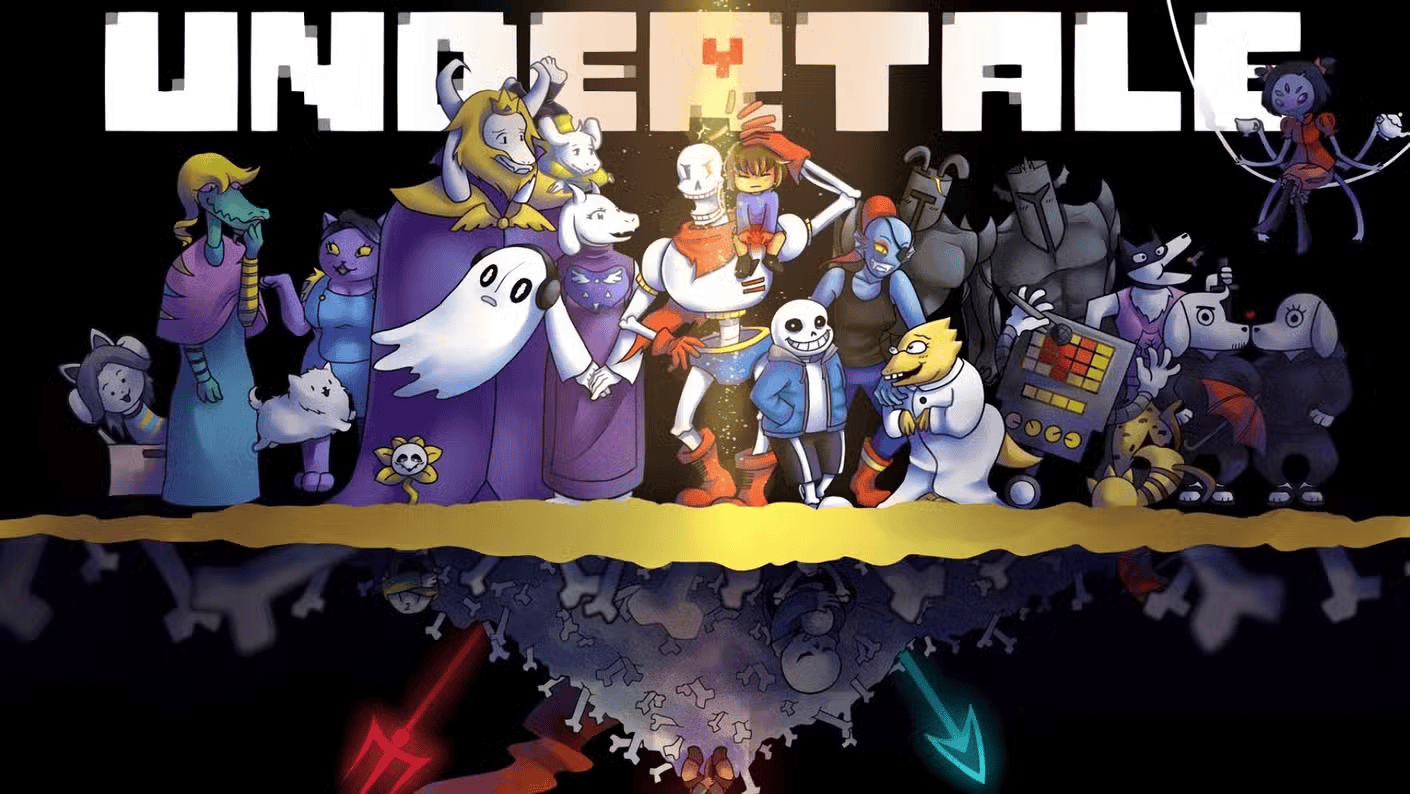
The game’s soundtrack, composed by its creator, produced widely recognized tracks such as “Megalovania.” Undertale sold more than 3.5 million copies and influenced many subsequent indie titles that adopted its sincere, creative approach.
Platforms: Steam, Microsoft Store, Nintendo Switch, Xbox and PlayStation (paid).
Shovel Knight: retro design with modern polish
Shovel Knight blends 8-bit nostalgia with contemporary mechanics, featuring tight controls and level design that evoke classic platformers. Players control a shovel-wielding hero who uses the tool for combat, traversal and digging.
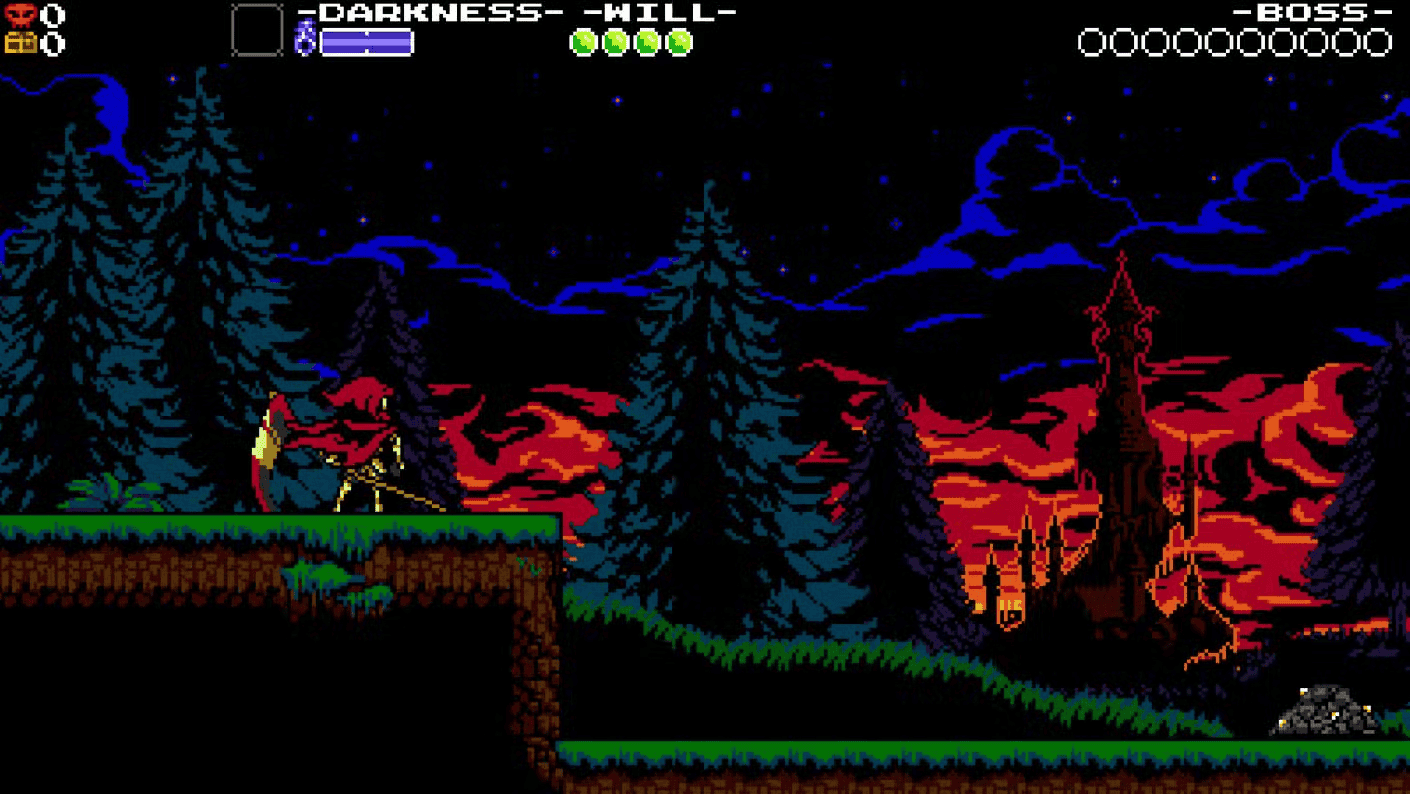
The game earned widespread acclaim, multiple Game of the Year awards and several expansions that added playable characters and new stories, underscoring how independent developers can craft enduring, memorable experiences without cutting-edge graphics.
Platforms: Steam, GOG, Nintendo Switch, Wii, 3DS, Xbox and PlayStation (paid).
Rocket League: a simple concept turned esports staple
Rocket League’s core idea—playing soccer with cars—proved both absurd and brilliant, combining accessible controls with high-skill mechanics. Its mix of aerial maneuvers, vehicular combat and soccer rules created intense, replayable matches for casual and competitive players alike.

The title’s evolution into a competitive esports scene, together with regular updates, sustained player interest and high-profile tournaments, cemented its long-term relevance.
Platforms: Steam, Epic Games Store, Nintendo Switch, Xbox and PlayStation (free).
The Binding of Isaac: roguelike cult classic
Launched in 2011, The Binding of Isaac turned a simple dungeon-crawling premise into a defining roguelike with dark humor and intense mechanics. Players navigate randomized levels filled with grotesque enemies, bizarre power-ups and frequent difficult choices.
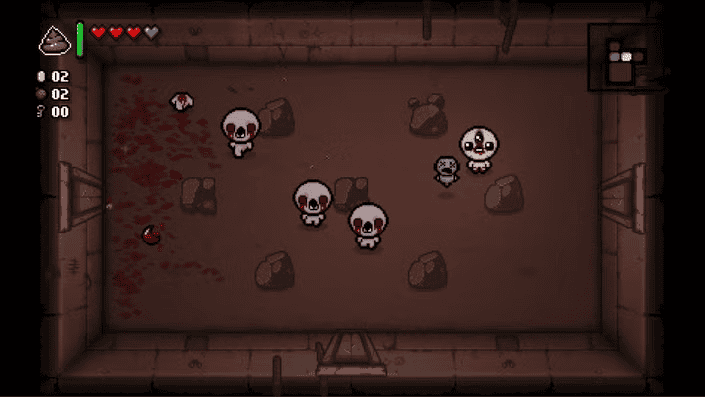
The game’s distinctive art and emotionally charged, sometimes disturbing story helped it grow from a low-budget project into a multimillion-dollar franchise with sequels and spin-offs.
Platforms: Steam, Nintendo Switch, iOS, Xbox and PlayStation (paid).
Balatro: a one-developer breakout in card roguelikes
Balatro merges poker-like hand strategy with roguelike progression. Developed by a single creator known as LocalThunk, the game challenges players to build decks, improve cards with Joker abilities and face progressively tougher “boss blinds.”
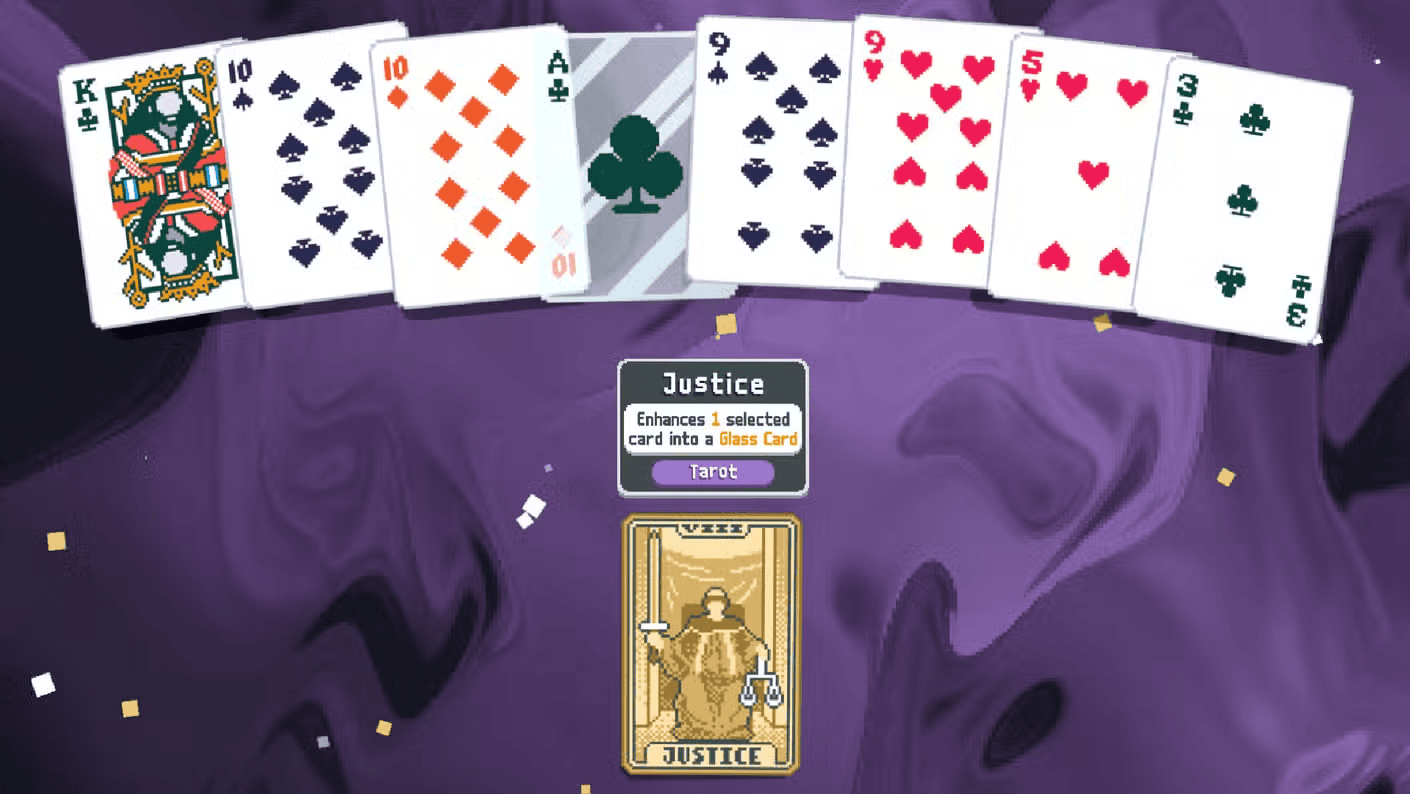
The unique combination of strategy, luck and roguelike growth resonated quickly: the title sold one million copies in weeks and received swift critical acclaim.
Platforms: Steam, Nintendo Switch, Xbox and PlayStation (paid).
Stardew Valley: revival of the farming sim
Stardew Valley revitalized the farming-simulation genre by offering deep, open-ended gameplay and a cozy pixel aesthetic. Players inherit a run-down farm and can cultivate crops, raise animals, mine dungeons, fish and pursue relationships with townspeople.
The game’s “play however you want” philosophy, relaxing soundtrack and charming visuals contributed to its widespread appeal—selling more than 20 million copies and building a devoted fanbase.
Platforms: Steam, Microsoft Store, GOG, Nintendo Switch, iOS, Android, PlayStation and Xbox (paid).
Cuphead: hand-drawn art meets brutal boss fights
Cuphead stands out for its 1930s-inspired hand-drawn animation and jazz soundtrack. The run-and-gun title is best known for punishing boss encounters that demand precise reflexes and inventive strategies.
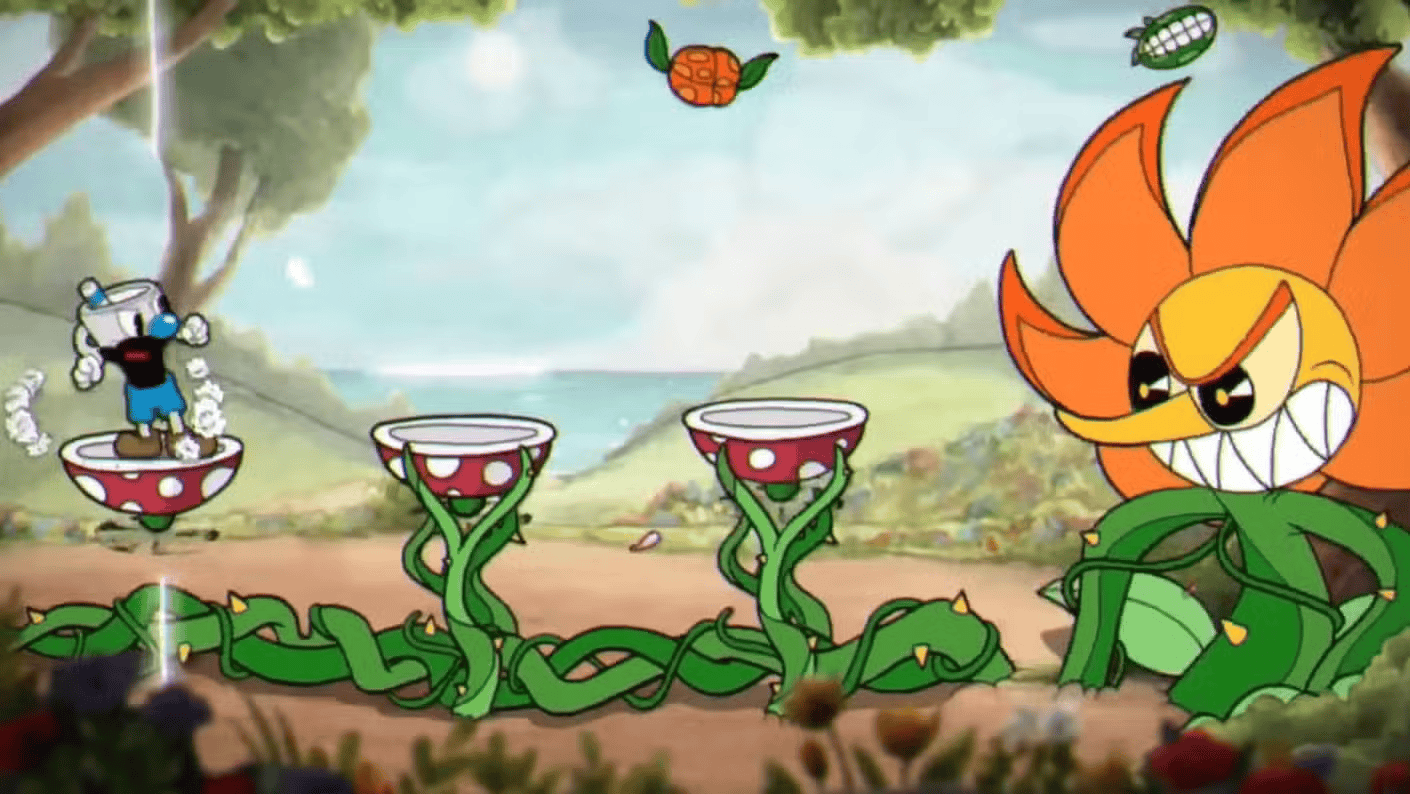
Its distinctive visual and audio style, combined with challenging gameplay, earned critical praise and made Cuphead a notable indie success.
Platforms: Steam, Microsoft Store, Nintendo Switch, PlayStation and Xbox (paid).
Terraria: expansive sandbox adventure
Terraria is a 2D sandbox adventure that encourages exploration, mining, building and combat across procedurally generated worlds. Regular updates over the years have added bosses, mechanics and content that keep playthroughs fresh.
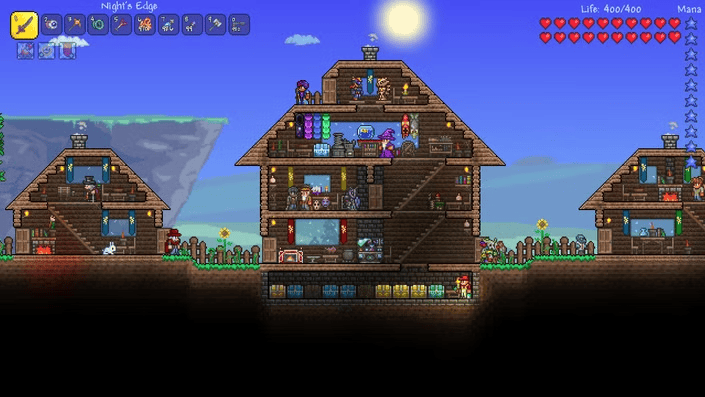
The game’s blend of creation, combat and cooperative multiplayer helped it secure a place among the best-selling indie titles, beloved for its imaginative world-building and replayability.
Platforms: Steam, Microsoft Store, Nintendo Switch, Google Stadia, PlayStation, Xbox, iOS and Android (paid).
Hades: roguelike with a layered narrative
Hades follows Zagreus, the son of Hades, in his attempts to escape the Underworld. The roguelike action couples fast, responsive combat with a narrative that advances through repeated deaths and new interactions.
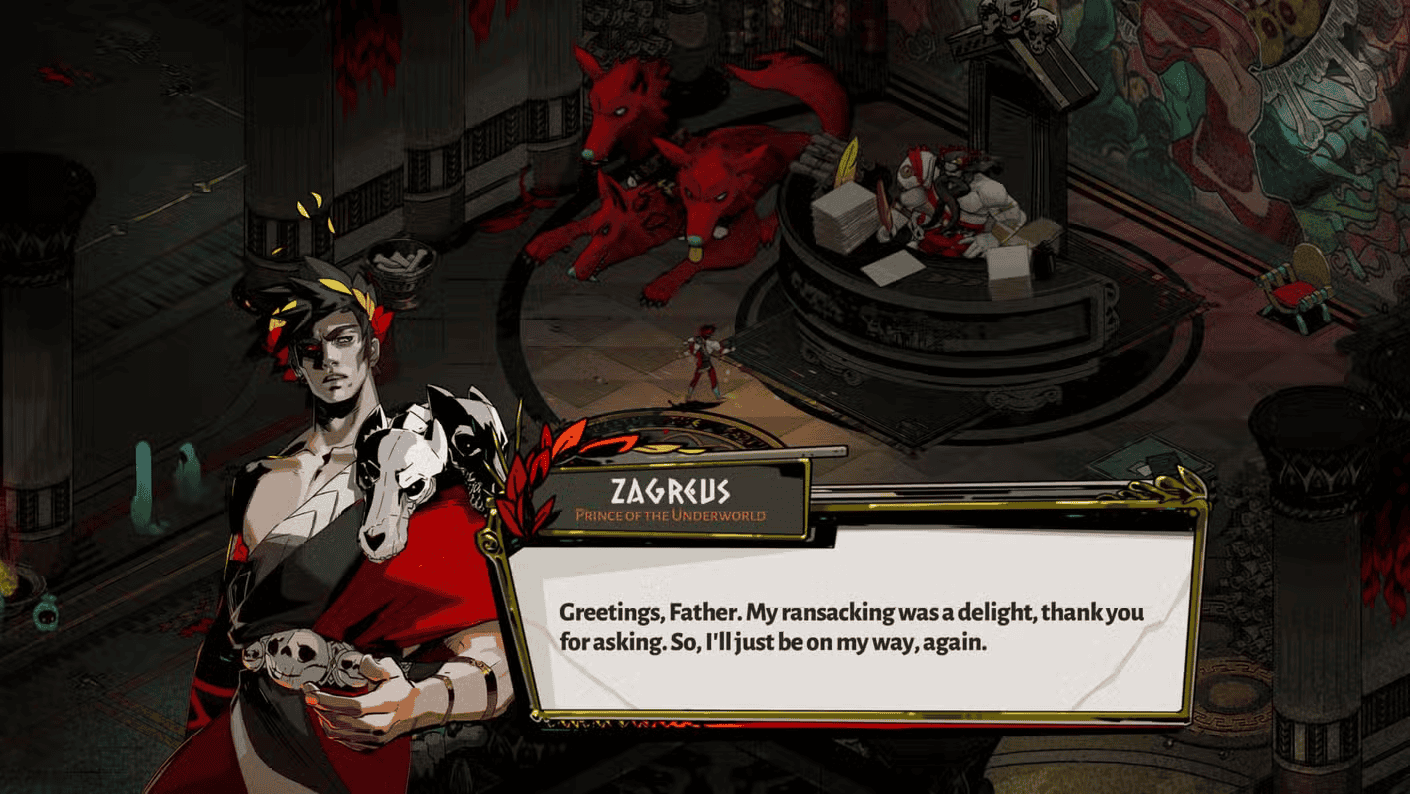
Each failed run reveals fresh dialogue and story beats, integrating progression with storytelling. The game was widely praised for combining satisfying gameplay with a compelling, evolving narrative.
Platforms: Steam, Epic Games Store, Nintendo Switch, PlayStation and Xbox (paid).
Minecraft: from indie experiment to global phenomenon
Minecraft began in 2009 as a modest indie project featuring simple block-based visuals that mask deep, emergent gameplay. Players can build, explore, automate and survive, creating complex structures, farms and custom mechanics.
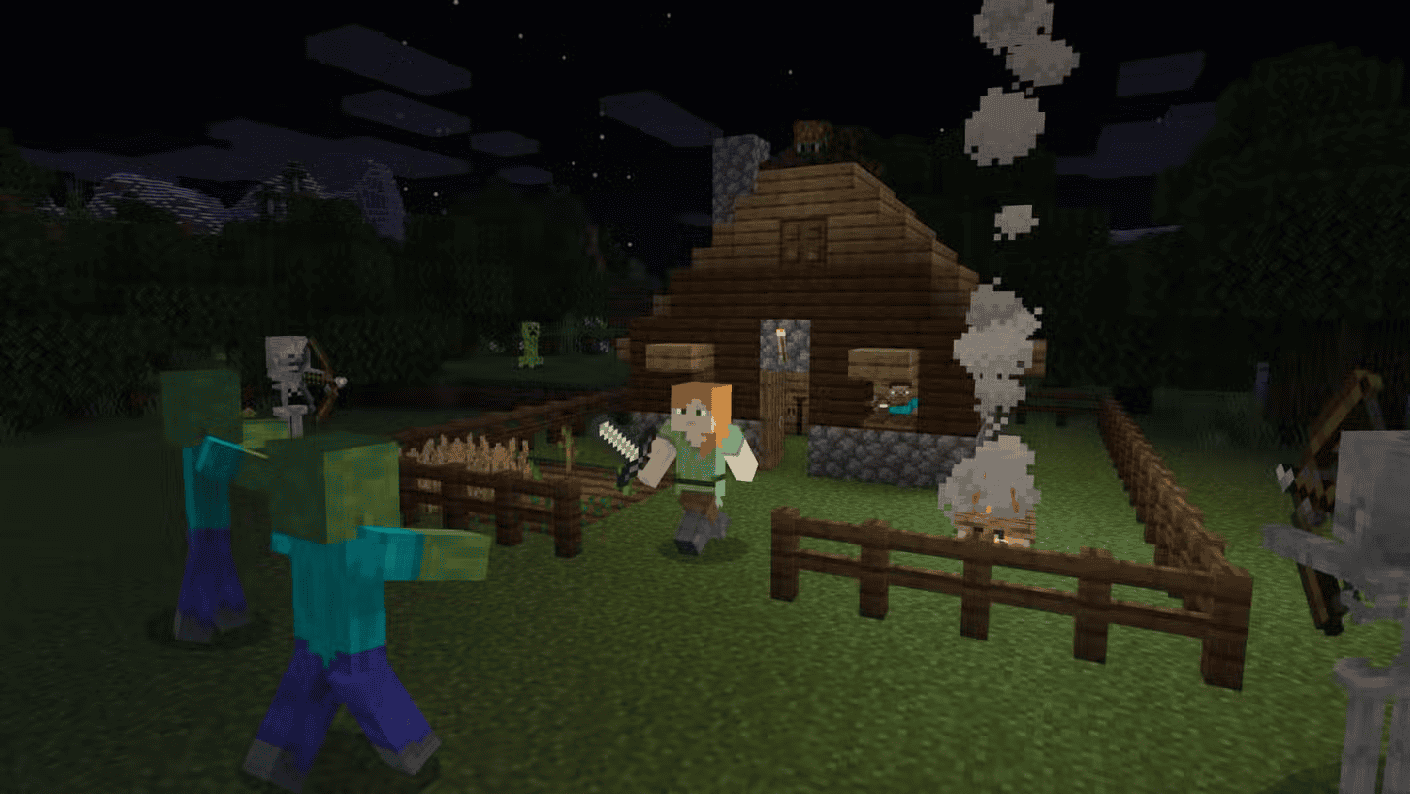
Following its rise, the title evolved through regular updates and a vibrant modding community. Eventually acquired by Microsoft, Minecraft’s ongoing development and community-driven content turned it into one of the most iconic indie success stories.
Platforms: Windows/Mac/Linux, Nintendo Switch, Chromebook, Xbox, Amazon Fire, iOS, Android and PlayStation (paid).