Activision and Bethesda, both owned by Microsoft, recently stepped in to stop two fan projects that used generative AI to recreate elements of Call of Duty: Modern Warfare 2 and Fallout, citing intellectual property concerns.
Fallout: New York taken offline after Bethesda notice
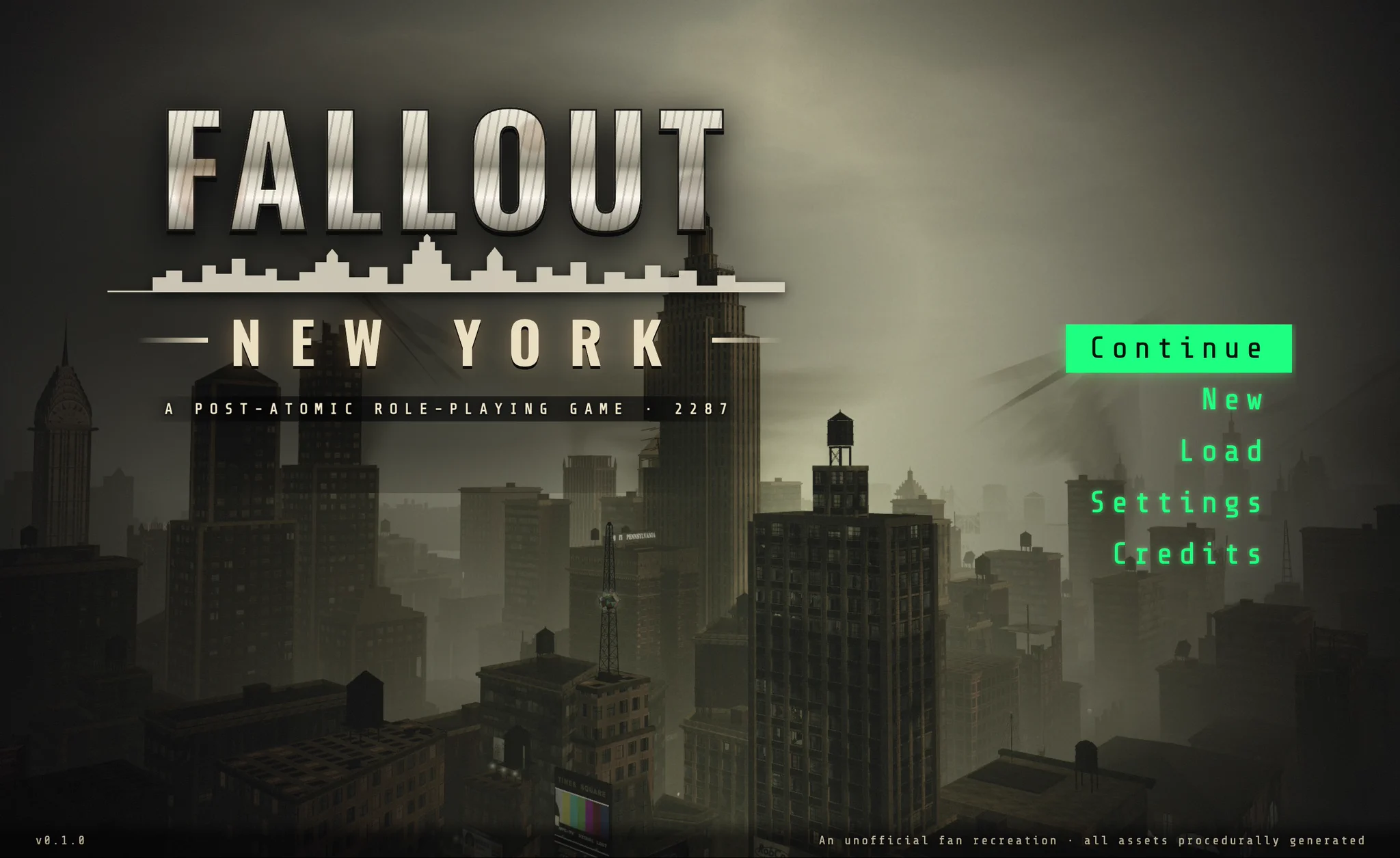
One project, called Fallout: New York, was a browser-based experience inspired by Bethesda’s Fallout series. Developer ChrisFirst said he built the demo using the Claude Opus 5.5 model, implementing missions, dialogue trees, a V.A.T.S.-inspired combat system and a functioning Pip-Boy.
According to the developer, environments, weapons, characters and audio were produced algorithmically rather than by importing traditional texture or sound files.
The demonstration, posted on September 28, quickly went viral and surpassed 3.5 million views. Days later, ChrisFirst announced he would abandon the project after receiving what he described as an extrajudicial notice from Bethesda alleging infringement of intellectual property.
Activision removes AI-assisted Modern Warfare 2 reconstruction
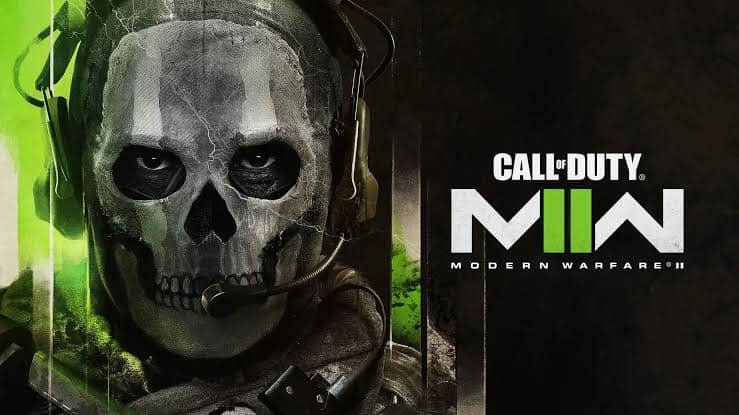
In a separate case, developer Maurice Heumann said he employed multiple AI agents to reverse-engineer and decompile the original PC source code of Modern Warfare 2. Heumann reported that 17 agents ran in parallel and that the project had reached a largely playable state with only minor visual issues remaining.
Activision responded after the project attracted attention. A video Heumann shared on X was removed following a copyright complaint and began showing a message that the content had been disabled at the request of the rights holder. The website that allegedly hosted the decompiled code also became unavailable.
Industry faces new IP questions as generative AI accelerates projects
Both incidents highlight a growing challenge for the games industry: generative AI enables independent developers to recreate or reimagine large-scale franchises far faster than traditional development workflows allowed.
That speed, however, does not resolve legal issues around copyright and intellectual property. Even when original asset files are not directly copied, rebuilding characters, systems, trademarks or other protected elements can trigger enforcement actions from rights holders.
To date, Activision and Bethesda have pursued measures targeting individual projects. As AI-based development tools become more accessible, similar disputes may increase and intensify the debate over how AI-created projects can lawfully use elements from commercial games.