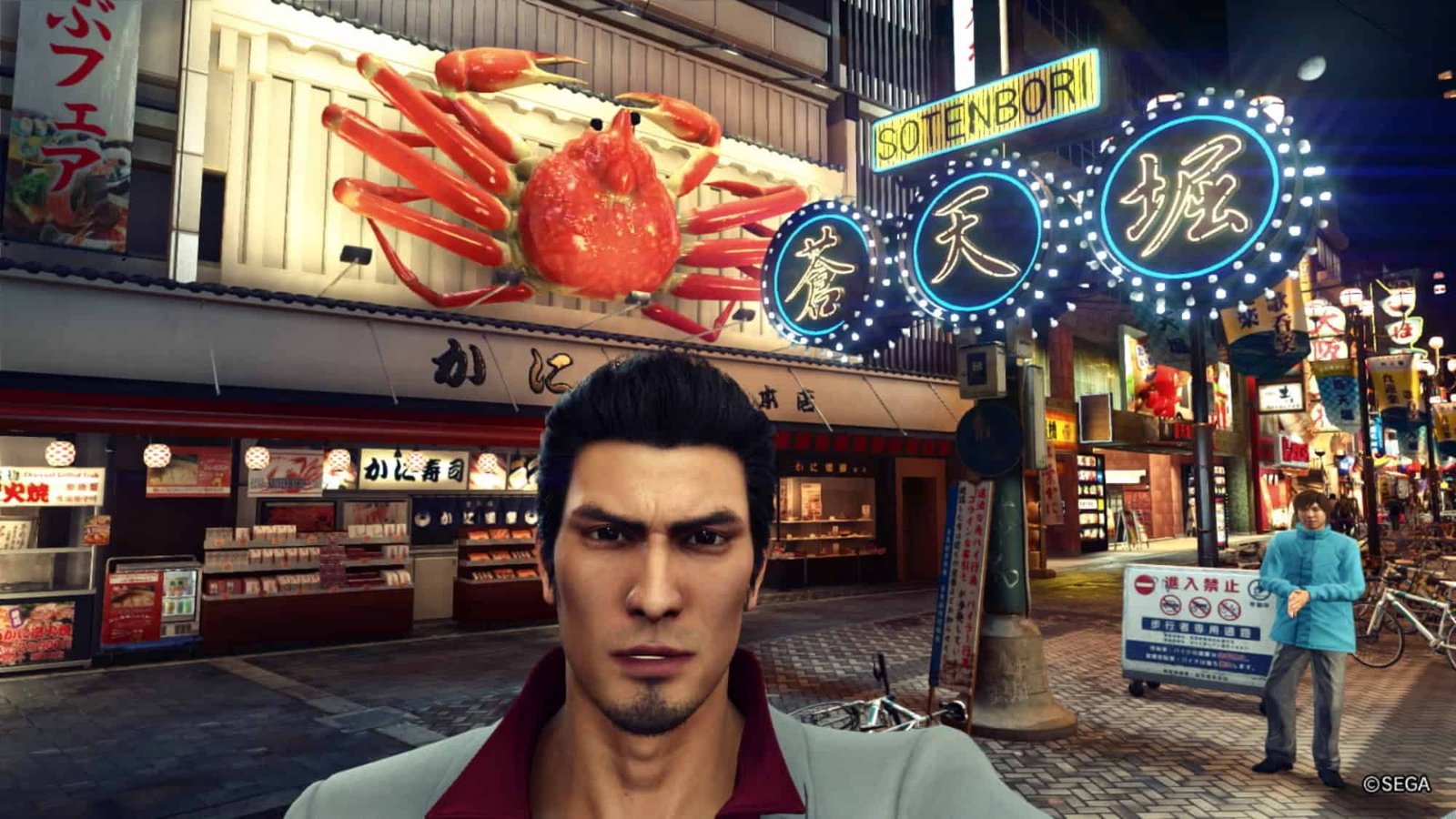
Yakuza is not just another fighting game franchise: it blends brutal street combat with unexpected humor, deep melodrama and dozens of playable diversions. If you haven’t tried it yet, the recommended entry point is Yakuza 0, which takes place in 1988 and introduces Kiryu and Goro Majima—two central figures whose arcs define much of the series.
Start at Yakuza 0 to meet the series’ origins
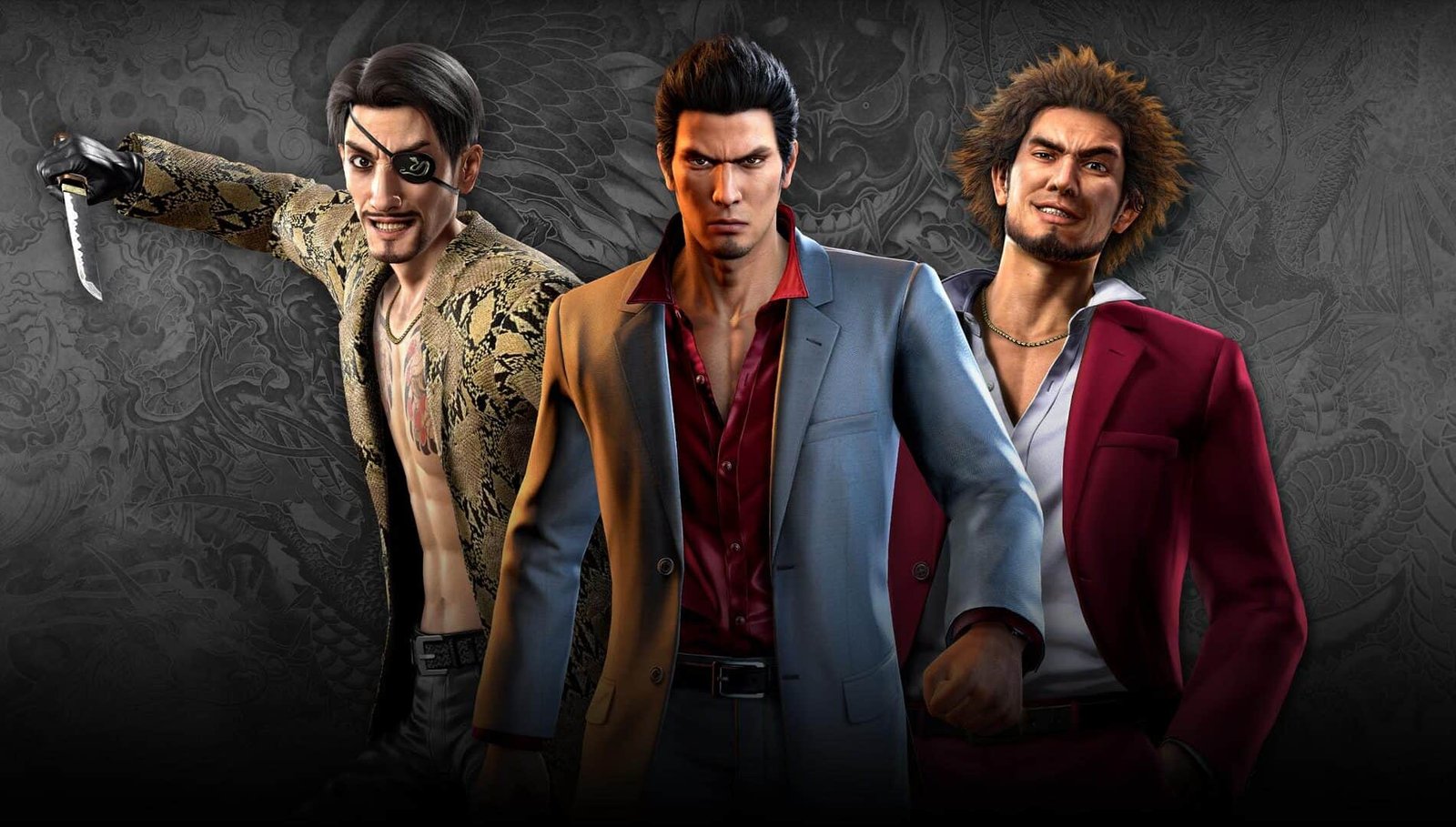
Although the newer Like a Dragon games (featuring Ichiban) have their own following, the original Yakuza saga is a distinct lineage composed of nine main numbered titles. Yakuza 0 is widely regarded as the proper introduction: it establishes the characters, tone and setting that shaped later entries and holds strong critical acclaim—an 86 on OpenCritic with 95% of critics recommending it.
If you already enjoy Like a Dragon, exploring the earlier Yakuza games will add context and depth to the later series; if you haven’t tried any, Yakuza 0 is a low-risk gateway into the franchise’s world.
Sharp contrasts: from absurd sidequests to heavy drama
One of Yakuza’s defining features is its tonal range. Side stories can be outrageously funny—investigating a used underwear scheme, entering a “who can eat the hottest pepper” contest, or producing an amateur film—while the main narrative can abruptly pivot into betrayal, grief and life-changing choices. That swing between farce and serious emotional stakes is handled consistently well.
For example, the substory “How to Train Your Dominatrix” puts Kiryu in a humiliating role-play scenario to help a character learn assertiveness; it’s simultaneously absurd and memorable, highlighting how the franchise defies expectations.
More than fights: a living city and deep side activities
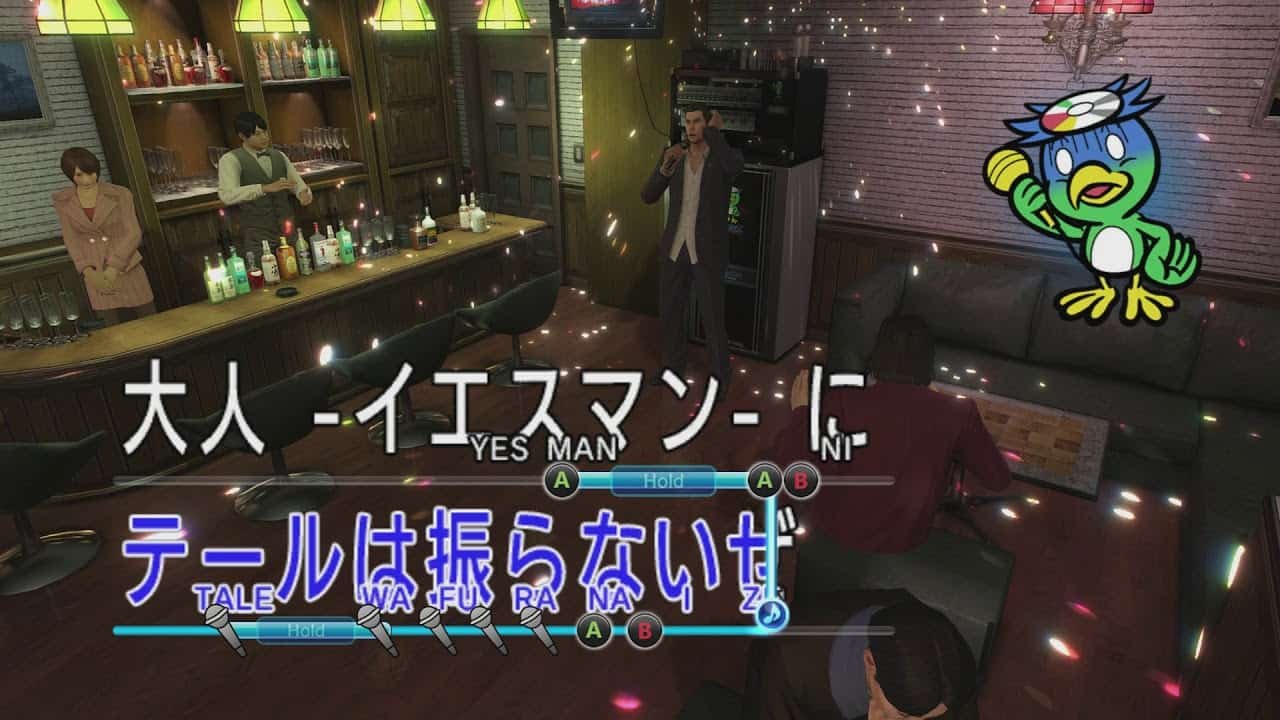
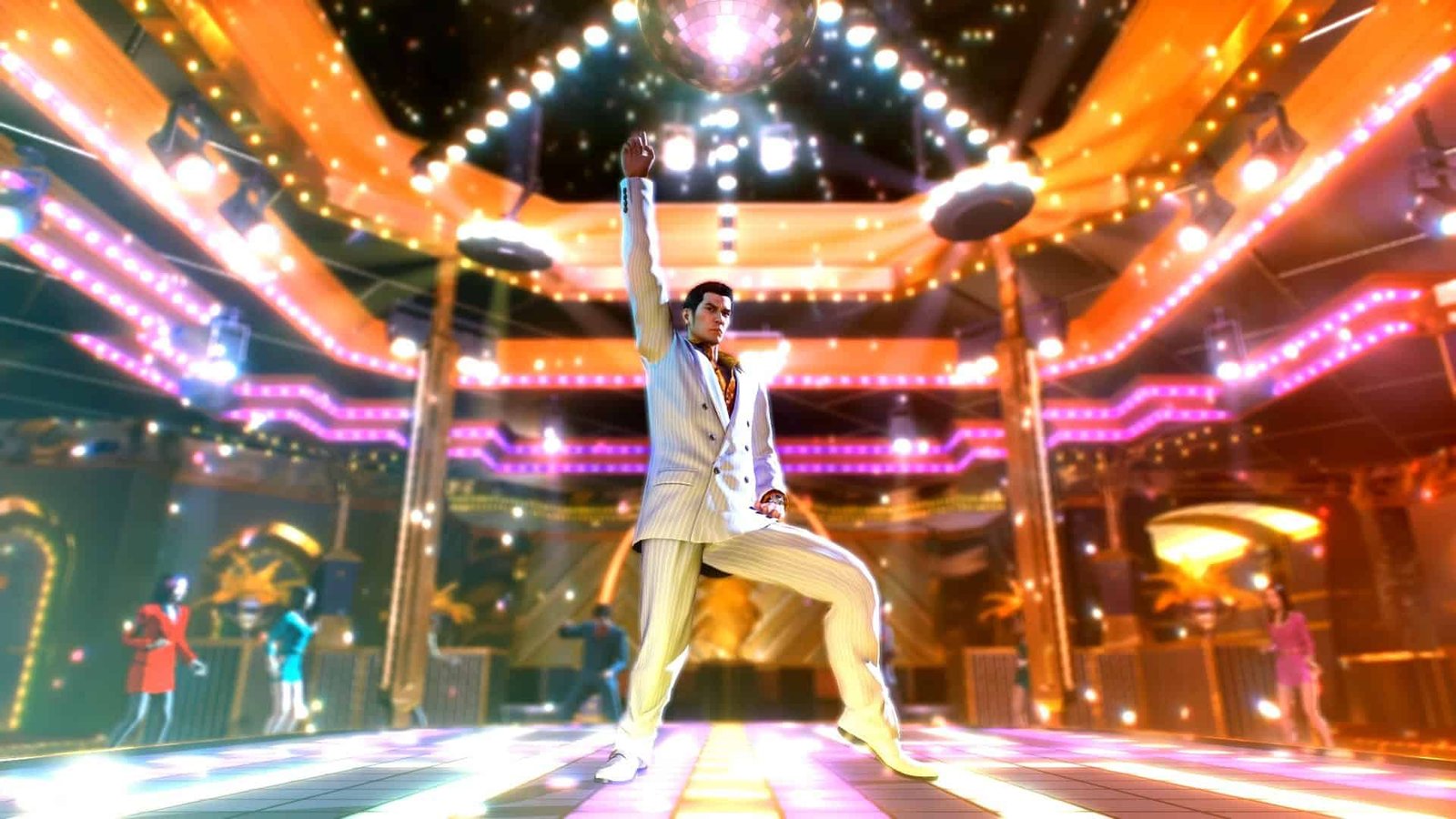
Yakuza’s world goes beyond combat. You can run a real estate agency, manage a cabaret and train hostesses, compete in karaoke with choreography, dance contests, bowling, mahjong, golf, working arcade machines, or even play a stock market minigame. Many of these activities are developed with their own progression systems and rewards, offering hours of content inside the main game.
The recurring district Kamurocho—modeled on Tokyo’s Kabukicho—serves as a living, evolving setting that appears across almost every numbered installment. As the series timeline advances, so does the neighborhood’s appearance, making the location feel like an additional character.
Serious combat systems beneath the chaos
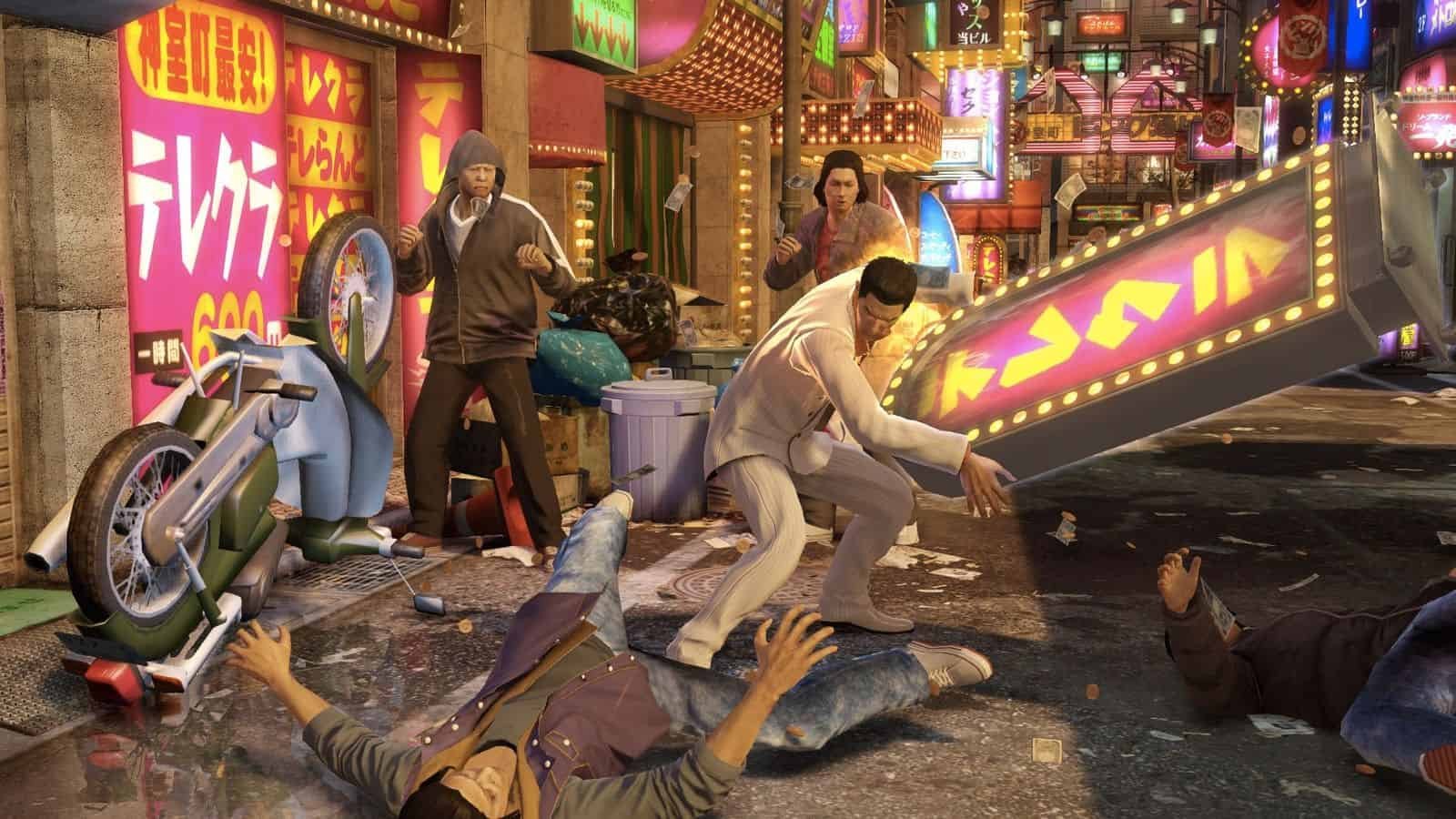
Under the carnival of side content, Yakuza preserves a deep combat system: skill trees, attribute growth, and multiple fighting styles that players can switch between during battles. Titles like Yakuza 0 and the Kiwami remakes offer up to four distinct styles per protagonist, each with unique approaches and move sets. The Heat mechanic builds during fights to unleash powerful special attacks.
The series’ creativity also shows in how it uses the environment—almost any object can become a weapon, from shopping carts and telephone poles to vending machines—each item providing contextually funny and sometimes surprisingly effective attacks amid intense fights.
Characters and storytelling with emotional weight
Beyond comic relief, Yakuza’s narratives are tightly constructed and emotionally resonant. Kiryu embodies themes of loyalty, honor and sacrifice, frequently making difficult choices to protect those he cares about. The franchise centers on chosen family—relationships formed through shared trials rather than blood ties—and those bonds provide the emotional core that elevates the story.
Antagonists are rarely one-dimensional; many possess traumas and rationales that make conflicts morally complex rather than simple hero-versus-villain encounters. This nuance encourages genuine attachment to characters and makes their losses feel personal.
Technical polish and soundtrack evolution
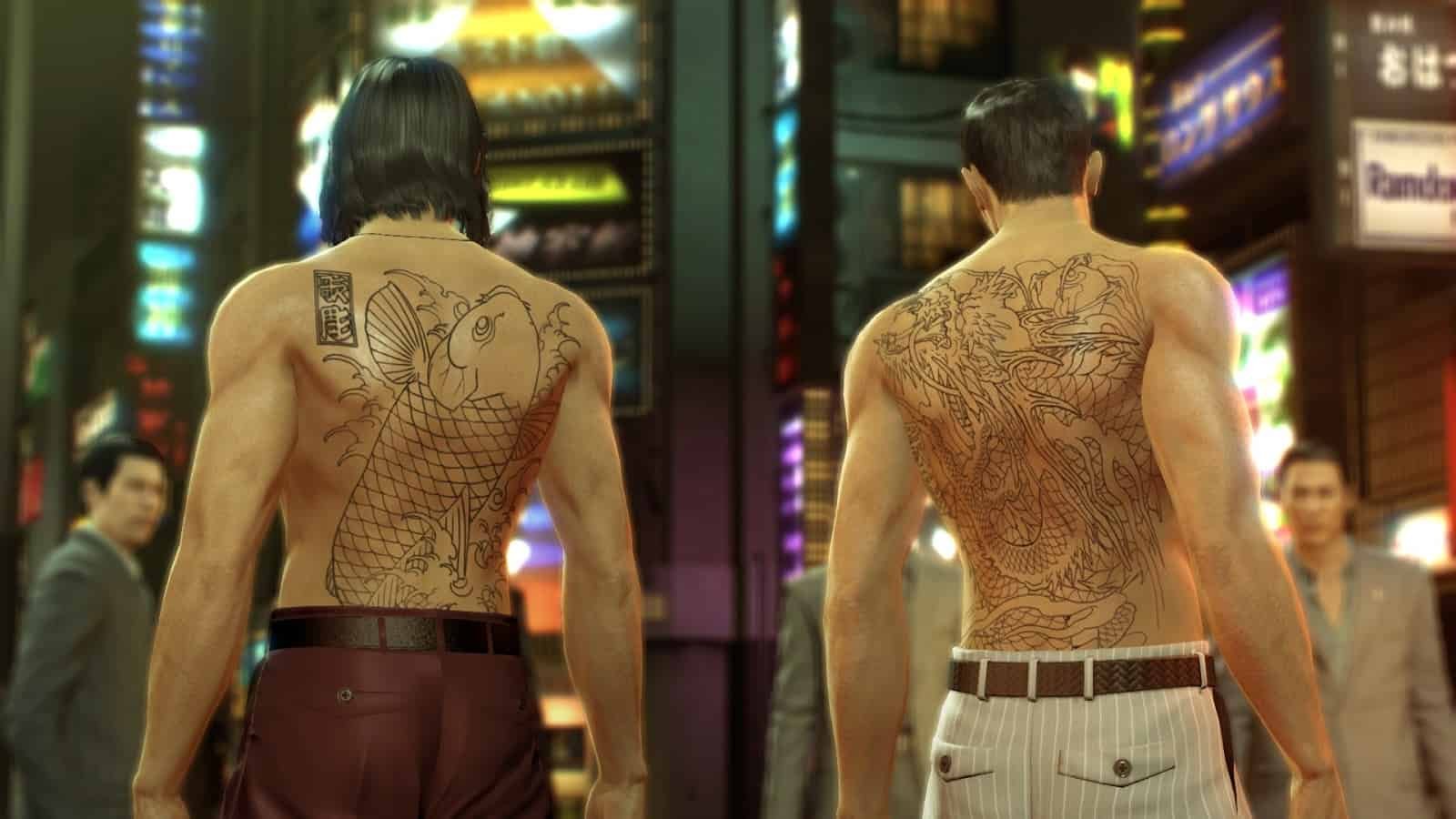
From Yakuza 6 onward, the series runs on RGG Studio’s Dragon Engine, which brought visual improvements—more lively street signage, realistic lighting and enhanced anti-aliasing. The presentation upgrade helped scenes feel more cinematic and immersive.
The soundtrack is another standout. In Yakuza 0, music director Hidenori Shoji collaborated with multiple composers to give each protagonist a distinct sonic identity: Kiryu’s themes tend toward brighter, optimistic tones—including tech-trance touches—while Majima’s themes explore darker textures like drum’n’bass and dubstep. These musical choices became a signature element of the franchise.
Commercial success and critical recognition
Since its debut in 2005, the franchise has sold over 27.7 million copies worldwide across physical and digital formats. The series has been recognized repeatedly by the Japan Game Awards, and titles such as Yakuza 5 and Yakuza 6 scored near-perfect reviews in Famitsu (39/40). Metacritic scores vary by entry from 75 to 89, reflecting a generally strong critical reception despite past delays between Japanese and Western releases that limited early international visibility.
Yakuza 0 is often credited with bringing the franchise into wider Western awareness and influenced Sega’s later localization strategy, leading to more simultaneous international launches.
Why almost any player can enjoy Yakuza
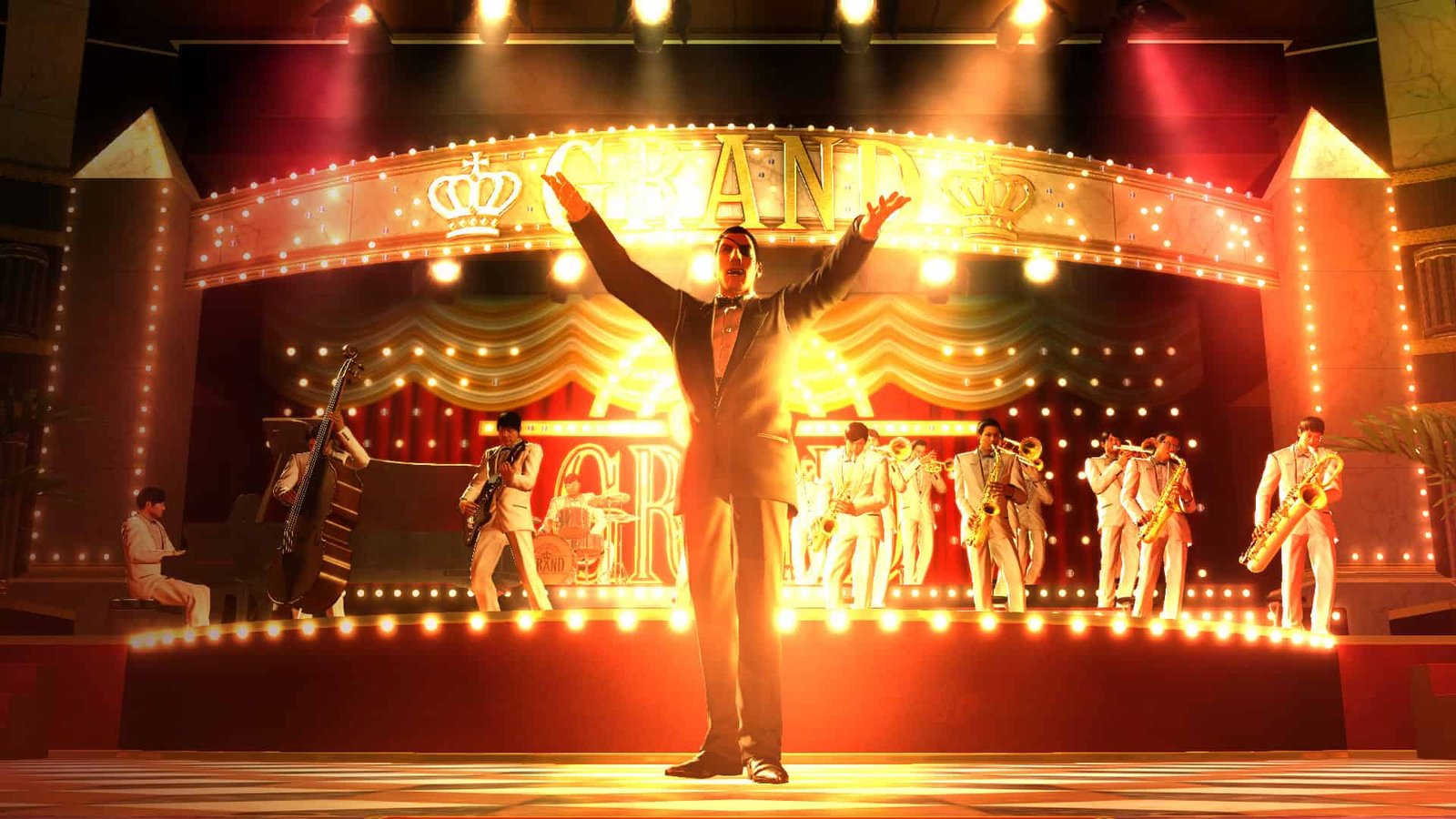
The series blends genres and experiences in ways few games do: intense narrative drama, beat-’em-up combat depth, and a vast array of fully realized side activities. Fans praise the emotional journeys of protagonists like Kiryu—stoic yet sensitive—and characters like Majima, whose unpredictable arc elicits both laughter and tears.
If you’re undecided, the safe bet is to try Yakuza 0 and see how its mixture of heartfelt drama, outrageous sidequests and mechanical depth lands for you.