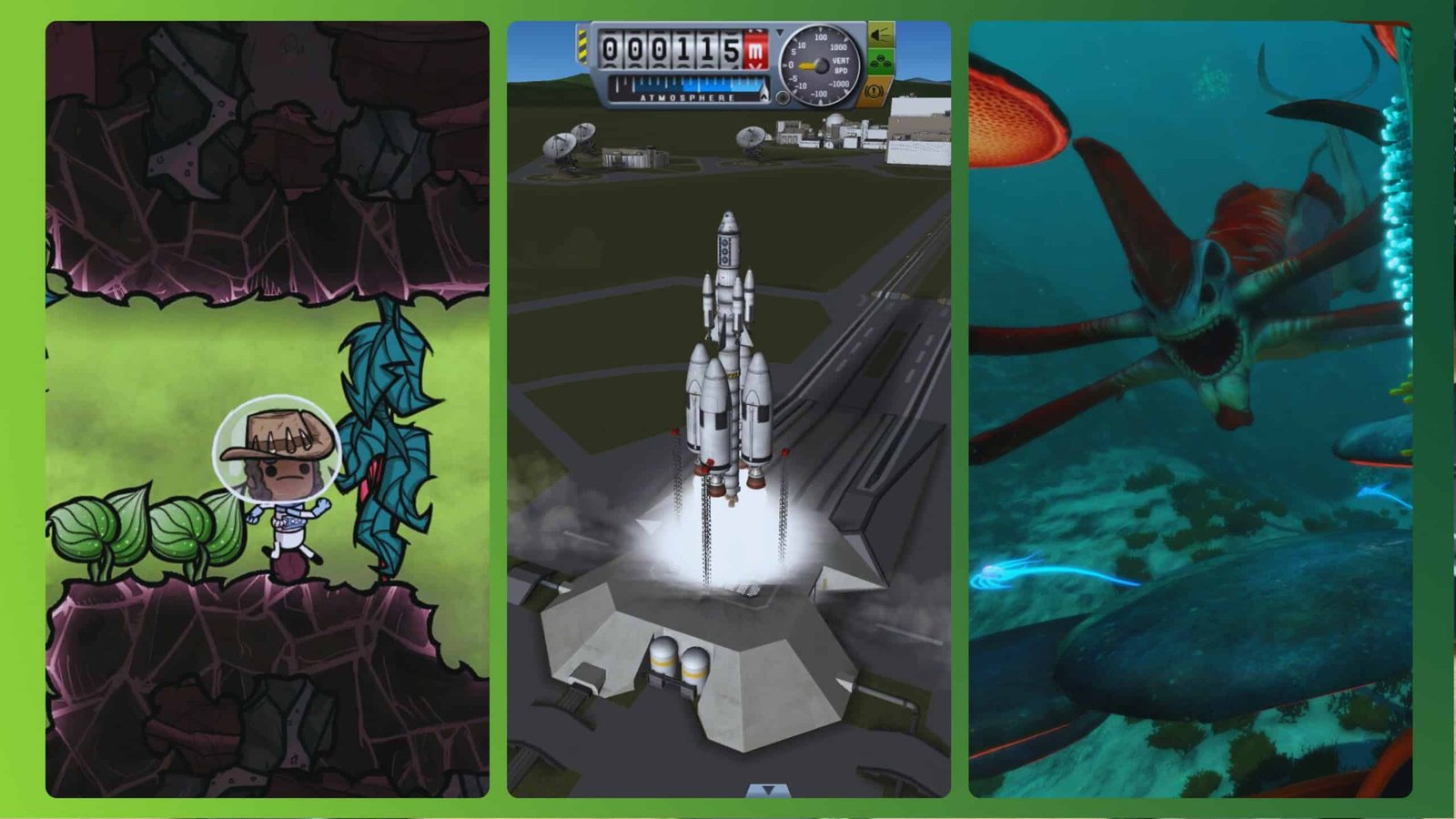
For players interested in science, several video games offer mechanics and narratives grounded in real scientific concepts. Here are five titles for PC and consoles that teach or simulate topics such as evolution, astronomy, orbital physics, atmospheric chemistry and marine biology while remaining entertaining.
Ancestors: The Humankind Odyssey — evolution and social survival

Ancestors: The Humankind Odyssey places players in prehistoric Africa, where they control a member of a hominid clan and guide the group through millions of years of evolution. The core gameplay focuses on basic survival needs—managing hunger, thirst and rest—while exploring the jungle, avoiding predators and discovering new foods and tools.
The game also emphasizes social behavior: players can organize group hunts, migrate to new areas and transmit learned skills to descendants as the clan develops over generations.
- Platforms: PC, PlayStation 4 and Xbox One
Outer Wilds — astronomy, gravity and time loops
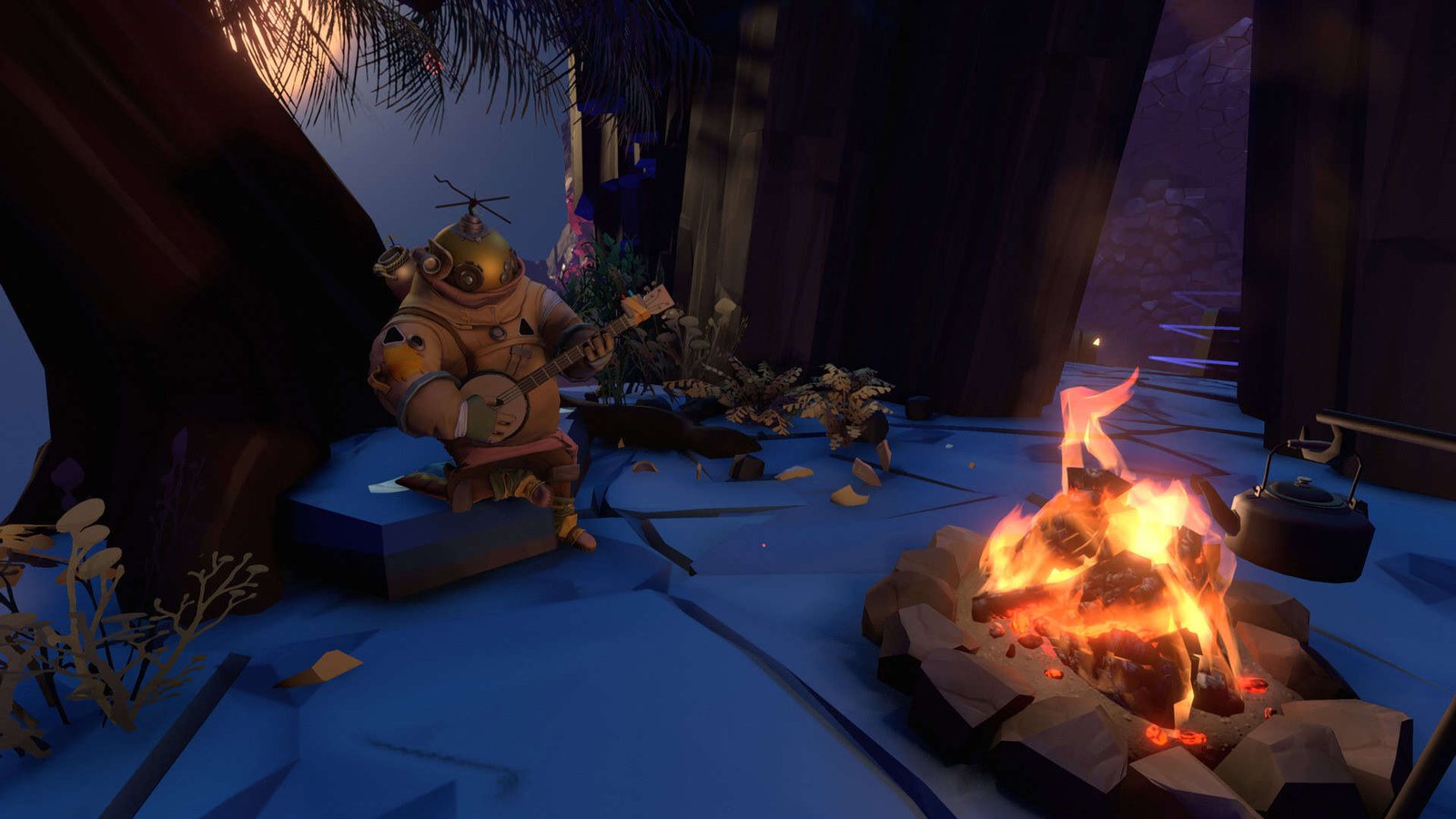
Outer Wilds blends real astronomical concepts with inventive science-fiction elements. Players control an explorer investigating a small star system, using a spacesuit thruster and a spacecraft to traverse different planets and moons.
The game centers on orbital mechanics and gravity as players navigate celestial bodies to collect data and uncover mysteries. A key mechanic is a 22-minute time loop: after that interval the sun goes supernova and the cycle restarts, forcing players to learn and apply scientific observations within each loop.
- Platforms: PC, Xbox One, Xbox Series X/S, PlayStation 4, PlayStation 5 and Nintendo Switch
Kerbal Space Program — realistic orbital physics in a playful package
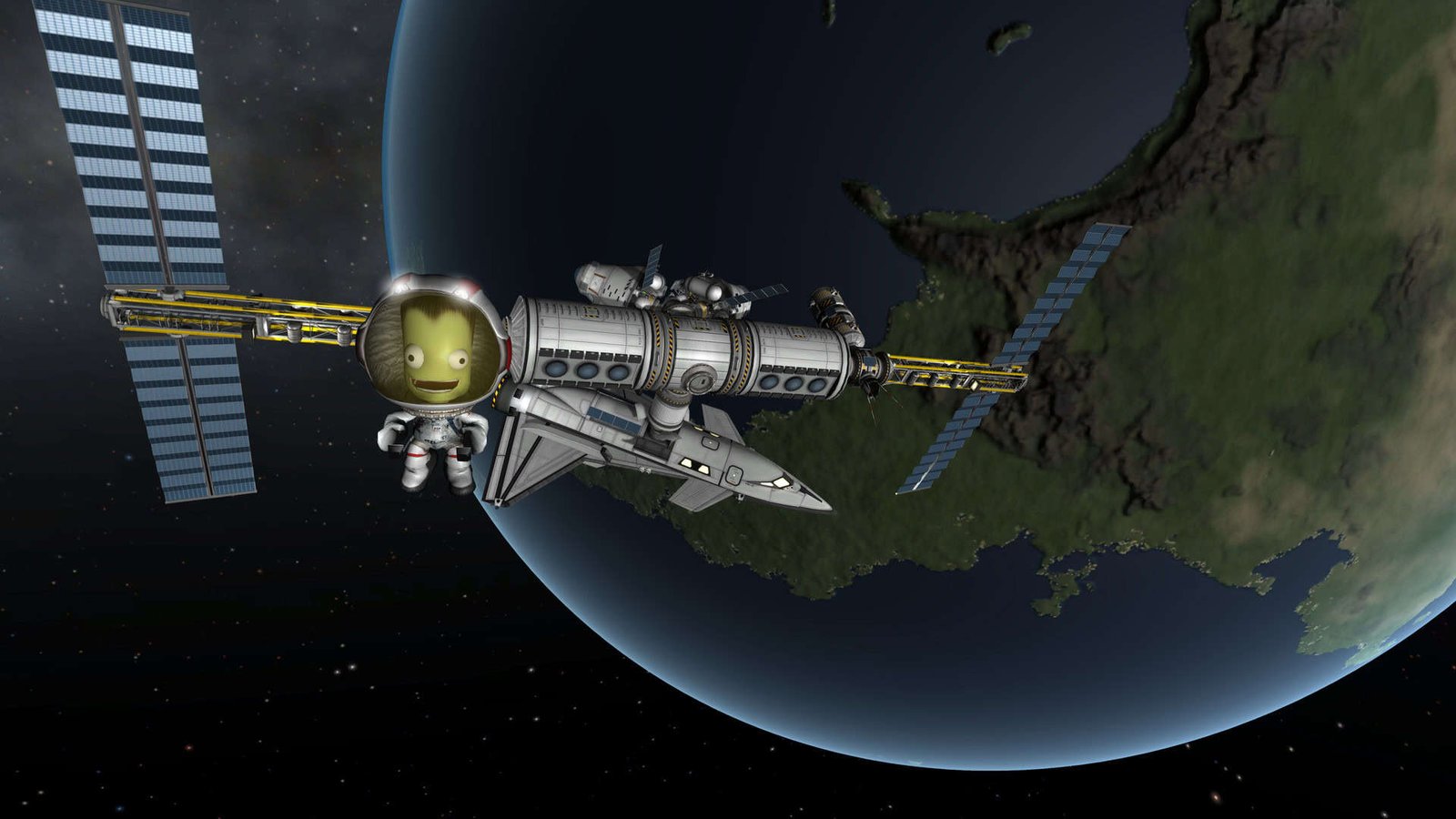
Kerbal Space Program is a spacecraft simulator that uses realistic physics to teach concepts of rocket design and orbital mechanics. Players run the Kerbals’ space program, constructing rockets and vehicles to achieve objectives such as reaching orbit, landing on celestial bodies and returning safely.
Kerbals can perform extravehicular activities to conduct experiments and make repairs, turning complex aerospace engineering concepts into approachable gameplay with a whimsical tone.
- Platforms: PC, Xbox One, Xbox Series X/S, PlayStation 4 and PlayStation 5
Oxygen Not Included — colony simulation, gases and thermodynamics
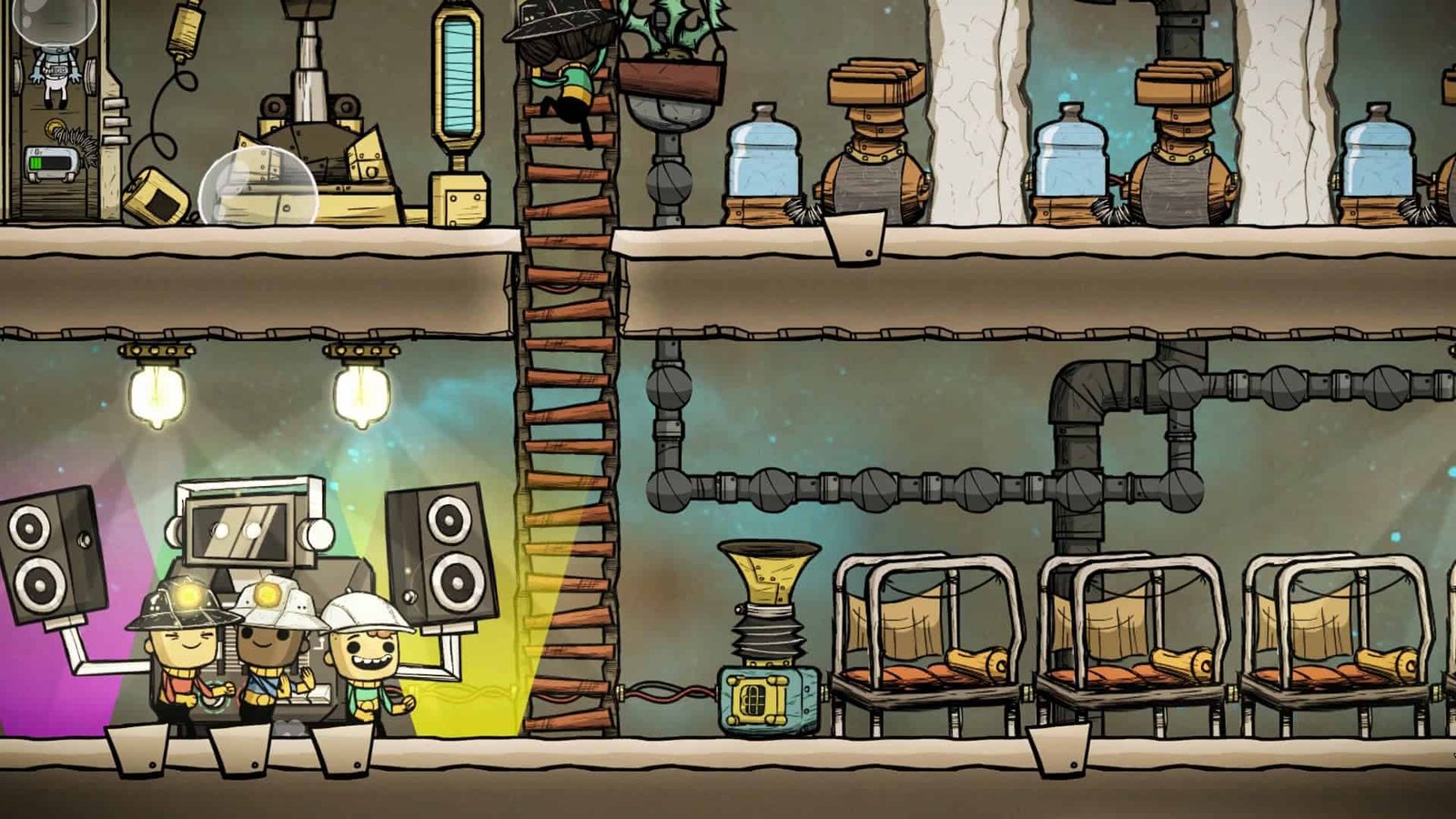
Oxygen Not Included is a colony management and survival simulator set inside an asteroid. Players oversee colonists tasked with converting subterranean caverns into a livable base, balancing resources and infrastructure.
The title requires careful management of oxygen production, temperature control, gas pressure and chemical interactions, alongside water, food and power systems, making it a deep simulation of environmental and atmospheric science challenges.
- Platforms: PC
Subnautica — marine exploration, biology and geochemistry
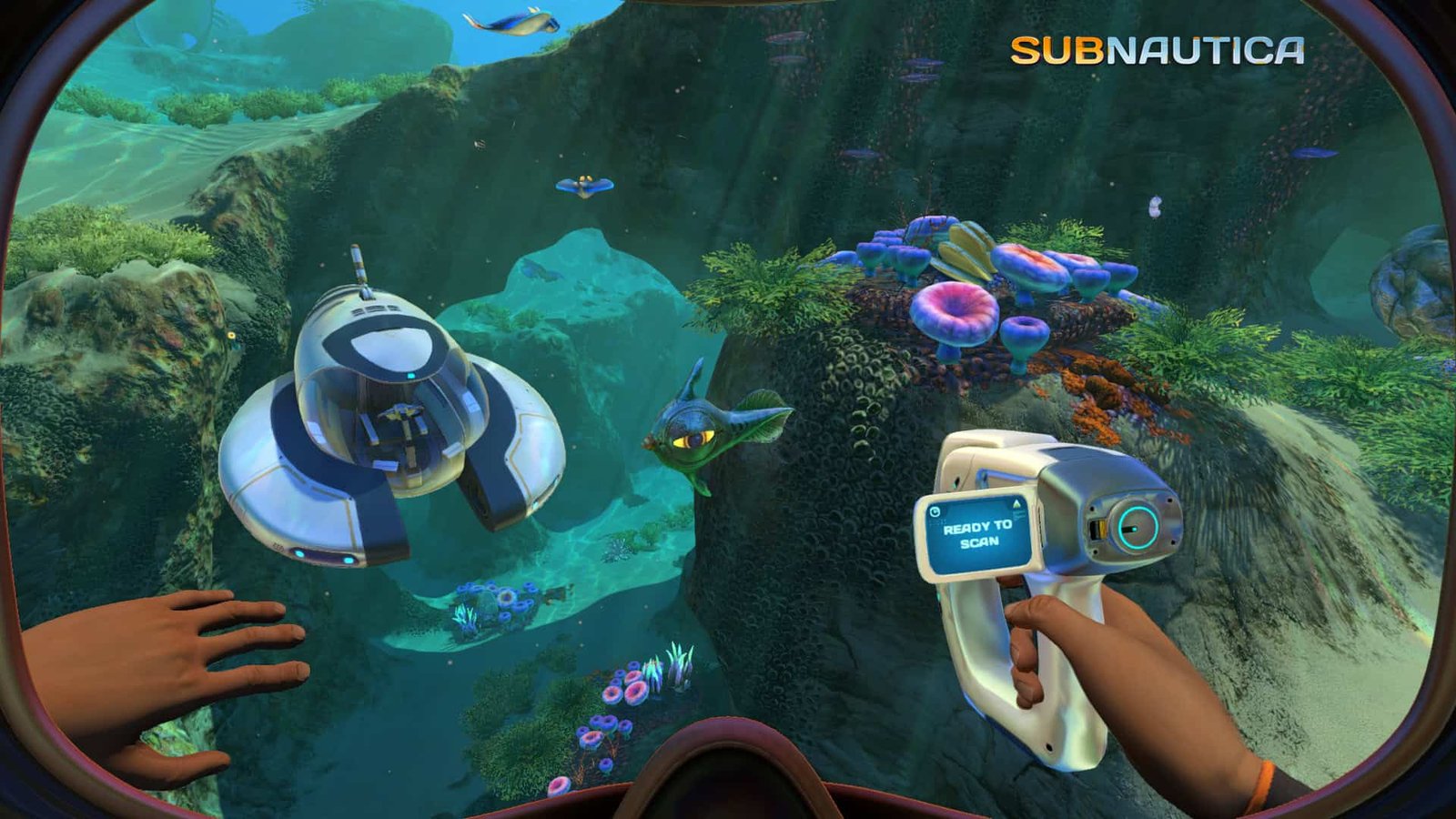
Subnautica combines action-adventure and survival with themes from biology, geology and chemistry. After a shipwreck on an ocean-covered alien planet, players explore underwater environments to gather resources and study native lifeforms.
Exploration of the seafloor, resource collection and analysis of alien ecosystems are central to progression, inviting players to engage with ecological relationships and survival chemistry in an immersive marine setting.
- Platforms: PC, PlayStation 4, Xbox One and Nintendo Switch